


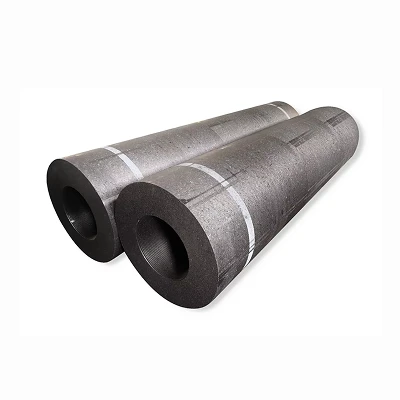
Graphite Electrodes
Graphite electrodes are mainly used in electric arc furnace. They are presently the only products available that have the high levels of electrical conductivity and the capability of sustaining the extremely high levels of heat generated in EAF. Graphite electrodes are also used to refine steel in ladle furnaces and in other smelting processes. Graphite electrodes are divided into 4 Types: RP Graphite electrodes, HP Graphite electrodes, SHP Graphite electrodes, UHP Graphite electrodes.
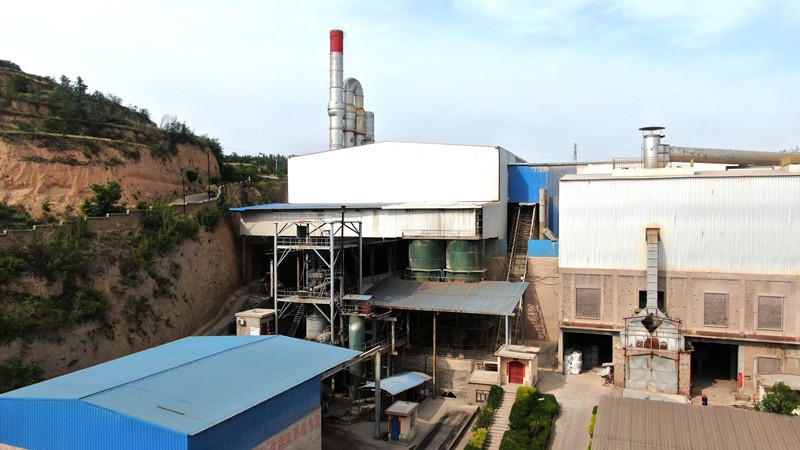
Our Factory
NY TWO GLOBAL has strong presence at refractory & abrasive industry since ten years ago. By combining sources and optimized expert team, we are widening our business into Alloy, Big Bag and retail industries.We have two 100% owned BFA plants and one big bag plant. By investing some other refractory plants, we enhance our position of production and quality control for a better price.Refractory & Abrasive Raw Material: Brown Fused Alumina, White Fused Alumina, White Tabular Alumina, Black Silicon Carbide, Fused Mullite, Bauxite,Fused Magnesia ,Dead Burned Magnesia, Calcined Alumina etc. Alloy: High-Medium-Low Carbon Ferro Manganese, High Carbon Ferro Chrome, Low Carbon Ferro Chrome, Silico Manganese, Ferro Silicon, Silicon Metal, manganese Metal, Cored Wires,Incoulants,etc.
Why Choose Us
Factory strength
NY TWO GLOBAL has strong presence at refractory & abrasive industry since ten years ago. By combining sources and optimized expert team, we are widening our business into Alloy, Big Bag and retail industries.
Quality control
Real-time data testing and inspecting for each phase of production by our own laboratory.
Our certificate
All our plants meet ISO 9001:2015, ISO 14001:2015 & OHSAS 18001:2007.
Production market
By strong presence in China, India, Turkey, Europe and U.S., we have tight connections with main player in each Industries.
Related Product

Chip Size: 1/8" x 1/2" x 0.10" This is high quality magnesium chips that can be used in many ways such as Grignard reagent preparation. Magnesium will emit a bright white light while being burned so eye protection should be worn.

Pure Magnesium Powder Suppliers With High Quality
Pure Magnesium Powder Suppliers Place of Origin: Shan xi, China Brand Name: EB Product: Magnesium Powder, atomized magnesium powder, Nano Magnesium Powder, Spherical Magnesium Powder. Purity: 99.9% Min.

Fire-Fast Magnesium Shavings for Critical Weather Situations. These shavings are used when it has been raining for days or the vegetation is under snow pack. Tinder and kindling that is water saturated is very difficult to ignite. Fire-Fast Magnesium Shavings will help get a fire burning when all else fails.

150g Magnesium Metal Turnings (shavings Not Powder )
Our magnesium is the hottest burning magnesium you can by. Start a fire quickly with a ferro rod, torch lighter or wooden matches, burns white hot ( 4000 °) even in wet conditions. The lightest and hottest fire starting material you can buy. Will light wet tinder when nothing else will. I have used magnesium while backpacking from sea level to Mt. Whitney at 14000 plus fee for over 30 years. That's why it is so popular with all outdoors enthusiast all over the US. Thanks for looking.

Magnesium Metal Powder (20 Mesh), 99.8%
300-800µm min. 99.8% magnesium powder, granules/semolina, magnesium powder, mg, CAS number: 7439-95-4, various quantities available (500g) • Pure 99.8% magnesium powder in particle size 300-800µm, delivered in sealed LDPE containers • CAS no.: 7439-95-4 • Particle shape: spherical / irregular • A very high quality product. The exact chemical and physical data can be found in the product description below. • Various quantities available with attractive discounts.
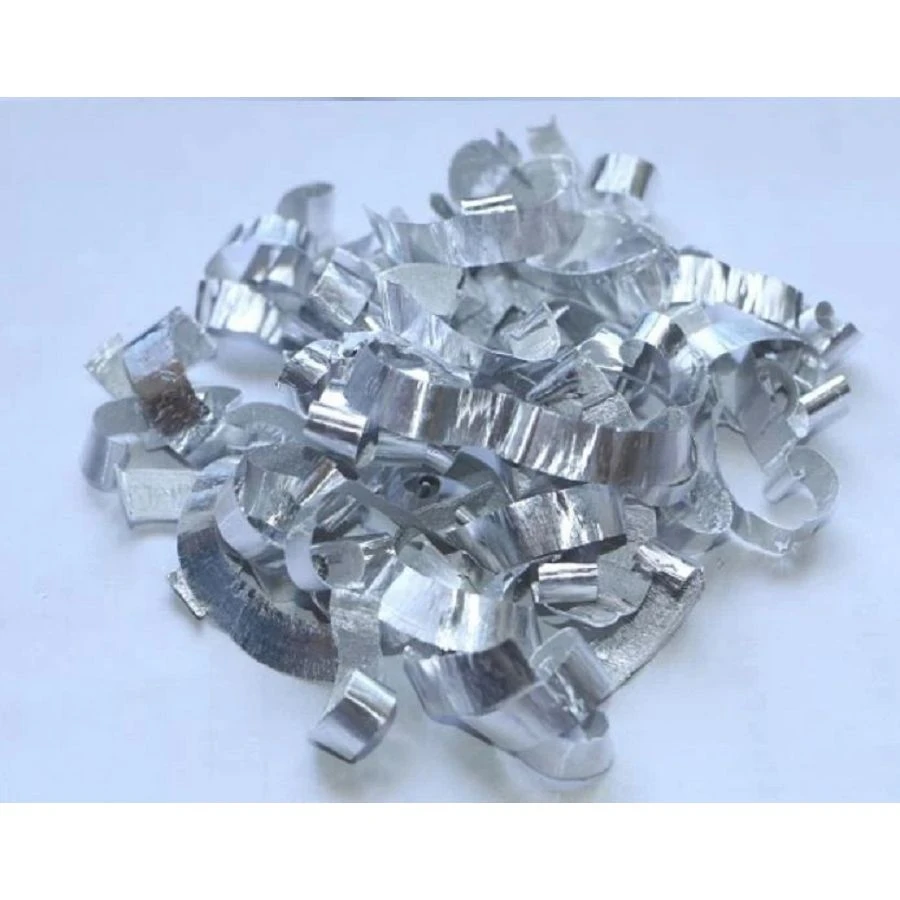
Magnesium Chips, Grade: Nanoshel
Product Specification Product Description Nanoparticles Are Also Available in Passivated Ultra High Purity. Nanoparticles Used in Research Area of Strong Scientific Interest Due to The Variety of Application in Biomedical Electronic and Optical Fields Magnesium Chips Have Widely Used in Research.
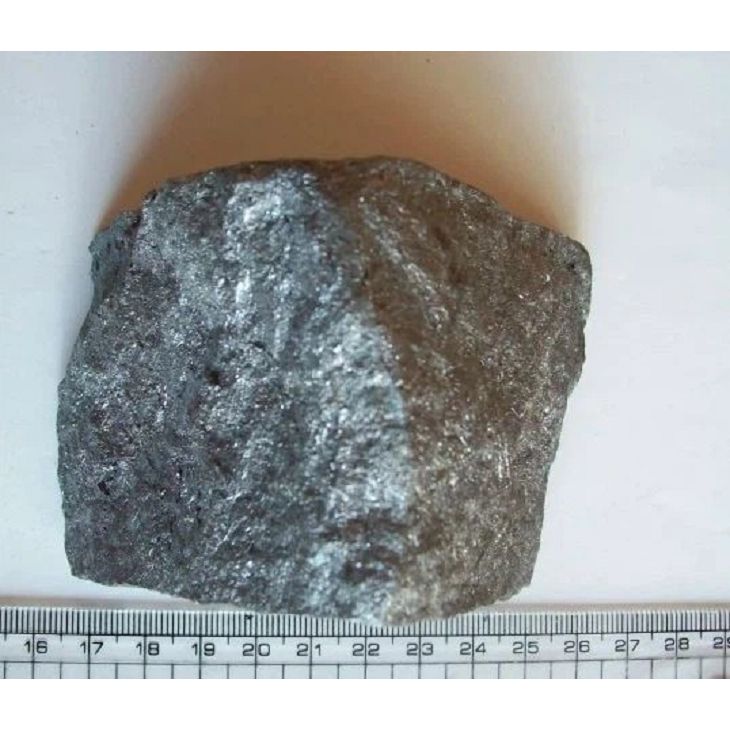
Ferrosilicon is an alloy of iron and silicon. Ferrosilicon is an iron-silicon alloy made of coke, steel chips, quartz (or silica) as raw materials and smelted by electric furnace. Since silicon and oxygen are easy to combine into silicon dioxide, iron silicon is often used as a deoxidizer in.

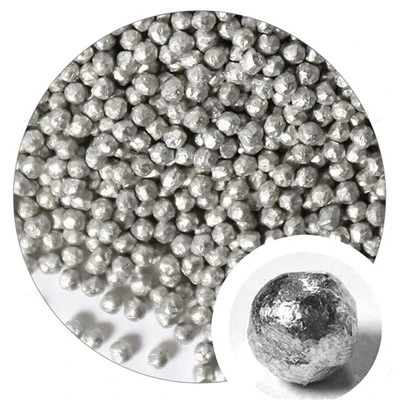
Magnesium chips, also known as magnesium turnings, and granules are produced by mechanically processing standard-purity (99.8% Mg) or ultra-high-purity (99.98% Mg) magnesium ingots. The process can be adjusted to produce magnesium chips and granules that meet different shape, size, and surface.
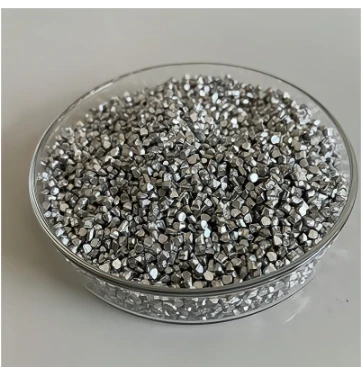
Magnesium (Mg) Metal Magnesium (Mg) is a light, moderately hard, silvery-white metal that ignites easily in the air and burns with a bright light. It is strong, has good heat dissipation and dampening, and is easy to weld, forge, cast or machine. It can improve the mechanical, fabrication, and
What is Graphite Electrodes
Graphite electrodes are mainly used in electric arc furnace. They are presently the only products available that have the high levels of electrical conductivity and the capability of sustaining the extremely high levels of heat generated in EAF. Graphite electrodes are also used to refine steel in ladle furnaces and in other smelting processes. Graphite electrodes are divided into 4 Types: RP Graphite electrodes, HP Graphite electrodes, SHP Graphite electrodes, UHP Graphite electrodes.
Benefits of Graphite Electrodes
Processing speed is faster: Under normal circumstances, graphite machining speed can be 2 to 5 times faster than copper; and discharge processing speed is 2 to 3 times faster than copper.
The material is more difficult to deform: Obvious advantages in the thin-walled electrode processing.
lighter weight: The density of graphite is only 1/5 of copper, large electrode for electrical discharge machining, can effectively reduce the machine tool (EDM) burden; more suitable for large mold applications.
Types of Graphite Electrodes
UHP Graphite Electrode
It is made of high-grade needle coke and treated with Lengthwise Graphitization (LWG). The graphitization temperature can be up to 2800 °C -3000 °C. Finished products have lower electrical resistance & linear expansion, good thermal shock resistance and allow a larger current density.
HP Graphite Electrode
It adopts quality petroleum coke or low grade needle coke as raw material. Its physical and mechanical properties are higher than RP graphite electrode such as lower electrical resistance and allowing a greater current density.
RP Graphite Electrode
Ordinary grade petroleum coke is adopted for production. This type of graphite electrode is treated with low graphitization temperature. The allowable current density is lower than HP graphite electrode's. Regular power graphite electrodes are specified with allowable current density less than 17 A/cm2.
Application of Graphite Electrodes
For electric arc steelmaking furnace
Electric furnace steelmaking is a big user of graphite electrodes. The output of electric furnace steel in my country accounts for about 18% of the output of crude steel, and graphite electrodes for steelmaking account for 70% to 80% of the total consumption of graphite electrodes. Electric furnace steelmaking uses graphite electrodes to introduce current into the furnace, and uses the high temperature heat source generated by the arc between the electric part and the charge for smelting.
Used for submerged electric furnace
The submerged electric furnace is mainly used for the production of industrial silicon and yellow phosphorus. Its characteristic is that the lower part of the conductive electrode is buried in the charge to form an arc in the charge layer, and the heat energy from the resistance of the charge itself is used to heat the charge, which requires current High-density submerged electric furnaces need graphite electrodes. For example, about 100 kg of graphite electrodes are consumed for every 1 ton of silicon produced, and about 40 kg of graphite electrodes are consumed for every production of 1 ton of yellow phosphorus.
For resistance furnace
Graphitization furnaces for producing graphite products, melting furnaces for melting glass, and electric furnaces for producing silicon carbide are all resistance furnaces. The materials in the furnace are both heating resistors and objects to be heated. Generally, conductive graphite electrodes are embedded at the end of the resistance furnace. In the furnace head wall of the part, the graphite electrode used here is discontinuously consumed.
Used to prepare special-shaped graphite products
The blanks of graphite electrodes are also used for processing into various crucibles, molds, boats and heating elements and other special-shaped graphite products. For example, in the quartz glass industry, 10t of graphite electrode blanks are required to produce 1t of fused tubes; 100kg of graphite electrode blanks are required to produce 1t of quartz bricks.
Raw Materials For Producing Graphite Electrodes
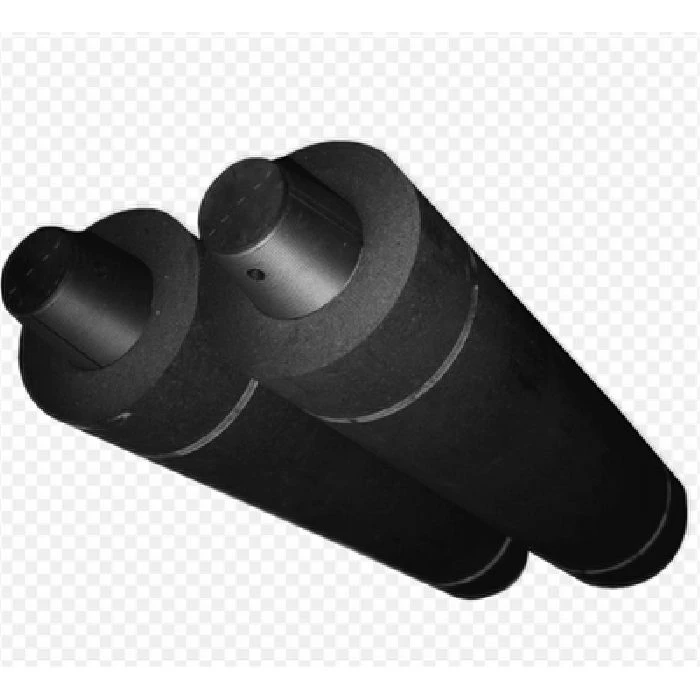
Petroleum coke
Petroleum coke is a combustible solid product obtained from coking of petroleum residue and petroleum asphalt. Black porous, the main element is carbon, ash content is very low, generally less than 0.5%. Petroleum coke is a kind of graphitized carbon. Petroleum coke is widely used in chemical and metallurgical industries. It is the main raw material for producing artificial graphite products and carbon products for electrolytic aluminium.
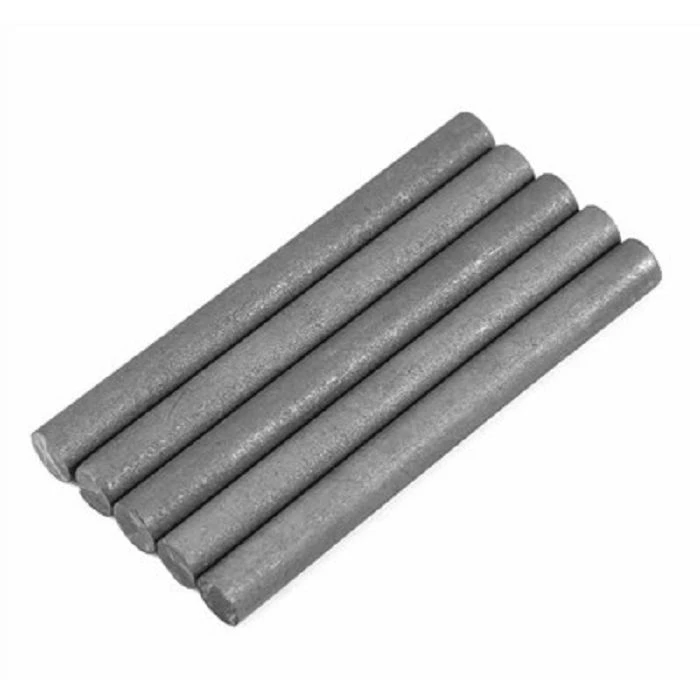
Needle coke
Needle coke is a kind of high-quality coke with obvious fibrous texture, especially low thermal expansion coefficient and easy graphitization. When the coke block breaks down, it can be divided into slender strips (the aspect ratio is generally more than 1.75). Anisotropic fibrous structure can be observed under polarizing microscope, so it is called needle coke.The anisotropy of the physical and mechanical properties of needle coke is very obvious. It has good conductivity and thermal conductivity parallel to the long axis of the particle. The thermal expansion coefficient is low. During extrusion, the long axis of most particles is arranged in the direction of extrusion.
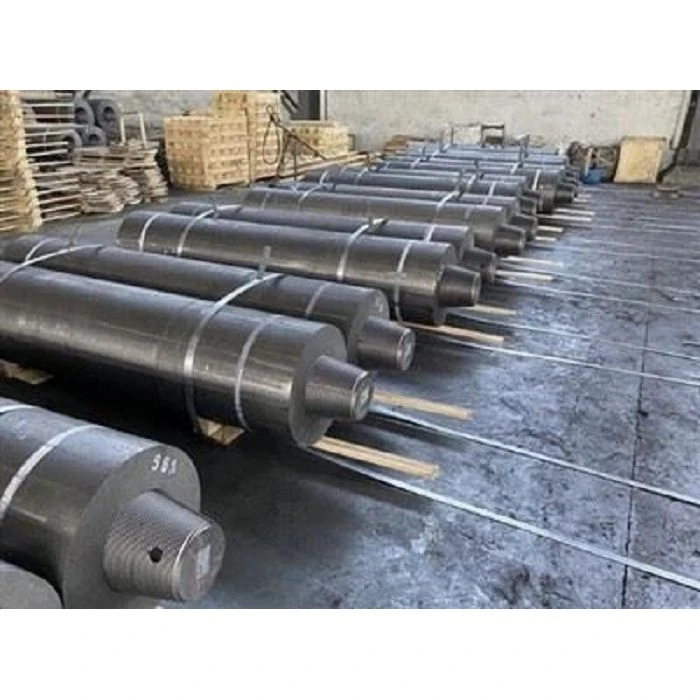
Coal tar pitch
Coal tar pitch is one of the main products of coal tar deep processing. It is a mixture of various hydrocarbons. It is a black semi-solid or solid with high viscosity at room temperature. It has no fixed melting point. It softens after heating and then melts. Its density is 1.25-1.35g/cm3. According to its softening point, it can be divided into three types: low temperature, medium temperature and high temperature asphalt. The yield of medium temperature asphalt is 54-56% of coal tar. Coal tar pitch is used as binder and impregnating agent in carbon industry. Its performance has great influence on the production process and product quality of carbon products. Binder asphalt is generally modified at medium temperature or medium temperature with moderate softening point, high coking value and high beta resin.
How to Choose Graphite Electrodes
The average particle diameter of the material directly affects the discharge condition of the material. The smaller the average particle, the more uniform the discharge, the more stable the discharge condition and the better the surface quality. For forging and die-casting molds with low surface and precision requirements, it is usually recommended to use materials with coarser particles, such as ISEM-3. For electronic molds with high surface and precision requirements, materials with average particle size below 4 m are recommended to ensure the precision and surface finish of the molds to be processed. The smaller the average particle is, the smaller the loss will be and the greater the force between the ion groups will be.
Flexural strength is a direct reflection of the strength of the material, indicating the tightness of the internal structure. The material with high strength has better discharge resistance. For the electrode with high precision, the material with better strength should be selected as far as possible.
In the subconscious understanding of graphite, graphite is generally considered as a relatively soft material. However, the actual test data and application show that the hardness of graphite is higher than that of metal materials. In the special graphite industry, the general hardness test standard is the Shaw hardness test method, the test principle is different from the metal test principle. Due to the layered structure of graphite, it has a very superior cutting performance in the cutting process. The cutting force is only about 1/3 of the copper material, and the machined surface is easy to be treated.
According to characteristic statistics, if the average particles are the same, the discharge rate with high resistivity will be slower than that with low resistivity. For materials with the same average particle size, the strength and hardness of materials with low resistivity will be correspondingly slightly lower than those with high resistivity. That is, the discharge speed, loss will be different. Therefore, it is very important to select materials according to the needs of practical application. Due to the particularity of powder metallurgy, each parameter of each batch of material has its representative value and has a certain range of fluctuation.
Process of Graphite Electrodes
Raw materials
Petroleum coke is the most important raw material, and it is formed in a wide range of structures, from highly anisotropic needle coke to nearly isotropic fluid coke. The highly anisotropic needle coke, due to its structure, is indispensable for the manufacture of high-performance electrodes used in electric arc furnaces, where a very high degree of electrical, mechanical and thermal load-bearing capacity is required. Petroleum coke is almost exclusively produced by the delayed coking process, which is a mild slow carbonising procedure of crude oil distillation residues.
Mixing and extrusion
The milled coke is mixed with coal tar pitch and some additives to form a uniform paste. This is brought into the extrusion cylinder. In a first step the air has to be removed by prepressing. Than the actual extrusion step follows where the mixture is extruded to form an electrode of the desired diameter and length. To enable the mixing and especially the extrusion process (see picture on the right) the mixture has to be viscous. This is achieved by keeping it at elevated temperature of approx. 120°C (depending on the pitch) during the whole green production process. This basic form with cylindrical shape is known as "green electrode".
Baking
Here the extruded rods are placed in cylindrical stainless steel canisters (saggers). To avoid the deformation of the electrodes during the heating process, the saggers are also filled with a protecting covering of sand. The saggers are loaded on railcar platforms (car bottoms) and rolled into natural gas - fired kilns.Here the electrodes are placed in a stone covert cavity in the bottom of the production hall. This cavity is part of a ring system of more than 10 chambers. The chambers are connected together with a hot air circulation system to save energy.
Impregnation
The baked electrodes are impregnated with a special pitch (liquid pitch at 200°C) to give them the higher density, mechanical strength, and electrical conductivity they will need to withstand the severe operating conditions inside the furnaces.
Re-baking
A second baking cycle, or "rebake," is required to carbonize the pitch impregnation and to drive off any remaining volatiles. Rebake temperature reach almost 750°C. In this phase the electrodes can reach density around 1,67 – 1,74 kg/dm3.
Graphitization
The final step in graphite manufacture is a conversion of baked carbon to graphite, called graphitizing. During the graphitizing process, the more or less pre-ordered carbon (turbostratic carbon) is converted into a three-dimensionally ordered graphite structure.
Machining
The graphite electrodes (after cooling) are machined to exact dimensions and tolerances. This stage may also include machining and fitting the ends (sockets) of the electrodes with a threaded graphite pin (nipple) joining system.
How to Maintain Graphite Electrodes
Material Selection: The Foundation of Oxidation Resistance
Choosing high-quality graphite materials with excellent oxidation resistance is paramount. Look for keywords such as "high purity," "low impurity content," and "fine grain structure" when selecting graphite electrodes. These attributes ensure enhanced resistance to oxidation and prolonged electrode life.
Surface Coatings: Shielding Against Oxidation
Applying protective coatings on graphite electrodes creates a physical barrier, preventing direct contact with oxygen and other reactive substances. Consider utilizing advanced coatings such as silicon carbide, resin-bonded graphite, or anti-oxidation coatings. These coatings act as a shield, reducing oxidation and promoting a longer electrode lifespan.
Proper Handling and Storage: Preserving Integrity
Proper handling and storage practices are crucial in preventing premature oxidation. Ensure that graphite electrodes are stored in a controlled environment with controlled humidity levels. Avoid exposure to moisture, extreme temperatures, and corrosive substances. Implement strict protocols for transportation, avoiding any potential damage or contamination that could accelerate oxidation.
Optimized Operating Parameters: Mitigating Oxidation Risks
Fine-tuning your operational parameters can significantly reduce oxidation risks. Maintain stable operating conditions such as electrode current density, power input, and process parameters. Avoid unnecessary power fluctuations, overloading, or sudden changes in voltage, which can generate excessive heat and accelerate electrode oxidation.
Regular Maintenance and Inspection: Proactive Care
Implementing a proactive maintenance and inspection regime is essential for identifying early signs of oxidation and taking necessary preventive measures. Regularly monitor electrode performance, including surface condition, dimensions, and electrical resistance. Schedule periodic cleaning and reconditioning to remove surface impurities and extend electrode lifespan.
Collaboration with Experts: Accessing Specialized Knowledge
Engage with experienced suppliers and industry experts who possess extensive knowledge of graphite electrodes. Seek their guidance on material selection, coating options, maintenance techniques, and best practices for preventing oxidation. Their expertise can help optimize your operations and minimize oxidation-related challenges.
Precautions for the use of Graphite Electrodes
Keep dry
Graphite materials need to maintain a good degree of dryness during use. Therefore, when using this type of electrode, you must first check whether the surface is dry. If there is moisture, it cannot be used, but a special dehumidification process is required to make the graphite It can be used again after it is dry.
How to clean up
General graphite electrode products don't seem to pay too much attention to cleaning, while graphite electrodes are different. It must be cleaned to avoid water and oil. Generally, compressed air is used for cleaning in the use environment, so that it can achieve Very good cleaning effect without polluting the electrode.
Hanging and placing
In the use of graphite electrodes, it is often necessary to hoist and assemble it, and when hoisting, pay attention to lifting the middle part of the electrode, and then turn its head down, and place it with a soft cushion. In this way, the entire electrode can be protected from vibration and damage, and the next installation can be carried out.
Our Factory

FAQ
Hot Tags: graphite electrodes, China graphite electrodes manufacturers, suppliers, alloy in clasps, alloy in clocks, alloy in semiconductors, alloy in railway industry, alloy in coasters, alloy in keys


You Might Also Like
Send Inquiry
