


Introduction To Mullite
Mullite is divided into three types: α-mullite, equivalent to pure 3Al2O3·2SiO2, referred to as 3:2 type; β-mullite, solid solution with excess Al2O3, slightly expanded character, referred to as 2:1 type; Gamma-mullite, solid solution with a small amount of TiO2 and Fe2O3....
Mullite is divided into three types: α-mullite, equivalent to pure 3Al2O3·2SiO2, referred to as 3:2 type; β-mullite, solid solution with excess Al2O3, slightly expanded character, referred to as 2:1 type; Gamma-mullite, solid solution with a small amount of TiO2 and Fe2O3. Mullite is stable in petrochemical properties and insoluble in HF. Its density is 3.03g/cm3, Mohs hardness 6 ~ 7, melting point 1870℃, thermal conductivity (1000℃) is 13.8W/(m·K), coefficient of linear expansion (20 ~ 1000℃) is 5.3×10⁻⁶℃, elastic modulus 1.47×10¹⁰Pa.
Mullite has good mechanical and thermal properties at high temperature, so the synthetic mullite and its products have the advantages of high density and purity, high structural strength at high temperature, low creep rate at high temperature, low thermal expansion rate, strong chemical erosion resistance and good thermal shock resistance.
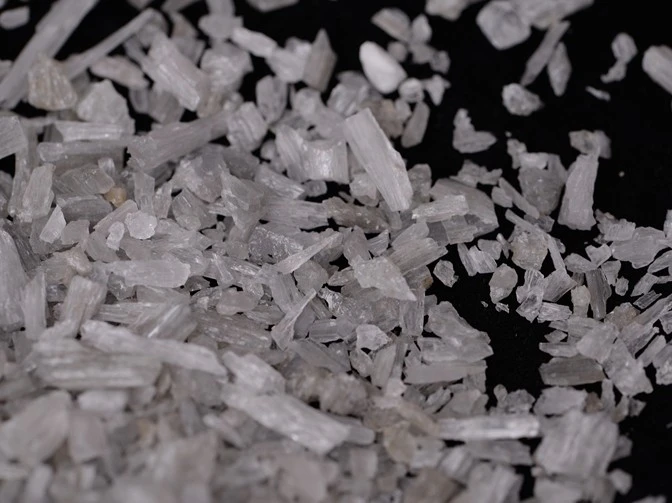
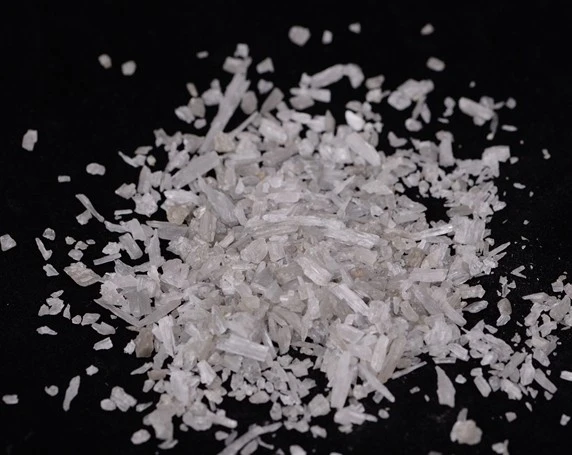
The production of mullite materials can generally be made of kaolinite, sillimanite group minerals, aluminum hydroxide or aluminum oxide and silicon dioxide directly synthesized. The clay material reacts with alumina or sillimanite group minerals and industrial alumina under the heating condition F to form primary and secondary mullite, and primary mullite is formed in the range of 1000 ~ 1200℃, and the crystallization is increased by further increasing the temperature. The formation of secondary mullite usually ends at 1650℃. In order to produce dense mullite products, the two-step sintering process is commonly used. Mullite comes in two crystalline forms: acicular and prismatic. Acicular mullite strengthens the glass phase and material chemical composition phase, and the refractoriness of acicular mullite is higher than that of prismatic mullite.
Kaolinite is rapidly heated to more than 1400 ° C to form acicular mullite. Otherwise, slow heating to a lower temperature forms prismatic mullite. There are also reports of tubular and spherical mullite, the former is presumed to be due to the silica and alumina tetrahedral size mismatch resulting in tension caused by tubular shape, the latter is called nitrogenous mullite. The characteristics of mullite thermal expansion anisotropy make it have good thermal stability. When the advanced mullite material is used as the feeder parts, it can be directly replaced to the running feeder without preheating.
Hot Tags: introduction to mullite, China introduction to mullite manufacturers, suppliers, refractory bromates, refractory metals, refractory for cores, refractory for reactors, refractory perchlorine silicates, sintering refractory

You Might Also Like




Send Inquiry
