


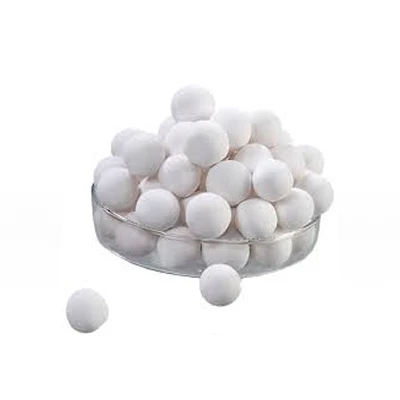

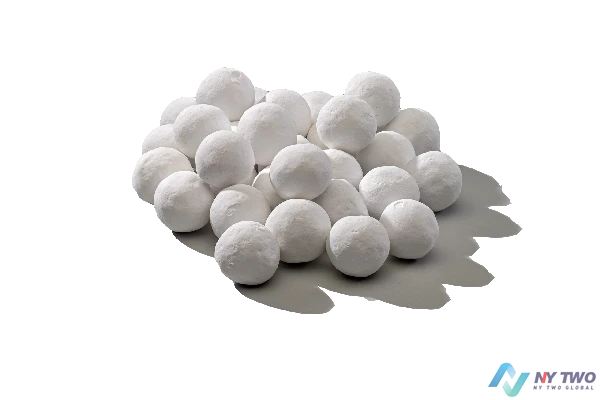
Tabular Alumina Balls
Tabular alumina balls are known for their superior properties, including high density, strength, and high temperature resistance. These balls are commonly used in various industries, such as petrochemical, steel, and ceramic industries, for a wide range of applications. In this blog, we will explore the characteristics, properties, and applications of tabular alumina balls.
What are Tabular Alumina Balls?
Tabular alumina balls are high-density, anti-corrosion, and ceramic structural materials made by high-temperature sintering with tabular alumina as the main raw material. Tabular alumina balls are made by fusing high-grade bauxite without any additives and then mechanically grinding them into different sizes. The ball-shaped structure gives tabular alumina balls excellent wear and impact resistance.
Characteristics of Tabular Alumina Balls
Tabular alumina balls have several unique characteristics that make them ideal for various industrial applications. Some of the characteristics of tabular alumina balls include:
High Density
Tabular alumina balls have a density of 3.6-3.8 g/cm³. The high density of these balls makes them ideal for use in the production of various abrasion-resistant and thermal insulation materials.
01
High Strength
Tabular alumina balls have high strength, making them resistant to impact and wear. They can withstand high temperatures of up to 1900℃ without any degradation, making them ideal for use in high-temperature resistance applications.
02
Anti-Corrosion Properties
Tabular alumina balls are chemically inert and have excellent anti-corrosion properties. These properties make them ideal for use in harsh environments, such as acidic or salty environments.
03
Ball-Shaped Structure
The ball-shaped structure gives tabular alumina balls excellent wear and impact resistance, making them ideal for use in various industries, including oil and gas, ceramic, and steel industries.
04
Applications of Tabular Alumina Balls
Tabular alumina balls have several applications in different industries. Some of the primary applications of tabular alumina balls include:

Catalyst Supports
Tabular alumina balls are widely used as catalyst supports in various industries, including petrochemical, chemical, and environmental pollution treatment. The high mechanical strength and thermal shock resistance of tabular alumina balls make them ideal for use in catalyst support applications.

Refractory Materials
Tabular alumina balls are also used as refractory materials due to their excellent thermal insulation and high-temperature resistance properties. These balls are used in the lining of furnaces, kilns, and other high-temperature applications.

Wear-Resistant Materials
Tabular alumina balls are also used in wear-resistant applications, such as grinding media for ceramic and steel mills. Tabular alumina balls are ideal for grinding applications due to their excellent wear and impact resistance properties.
Conclusion
Tabular alumina balls are versatile ceramic materials that find several applications in various industries, including catalyst supports, refractory materials, and wear-resistant materials. These balls have excellent properties, including high density, strength, and high-temperature resistance, making them ideal for use in harsh environments. With their unique characteristics, tabular alumina balls are the ideal material for several industrial applications.
Hot Tags: tabular alumina balls, China tabular alumina balls manufacturers, suppliers, refractory tellurates, refractory titanium silicates, refractory ruthenates, refractory materials, quenching refractory, refractory varnishes

You Might Also Like

Send Inquiry
