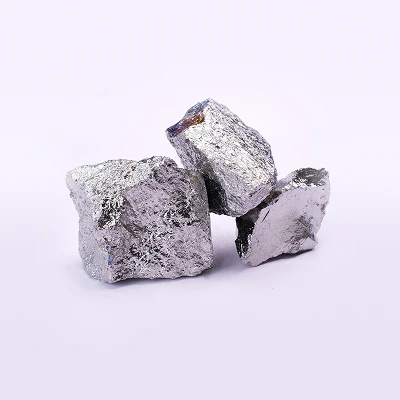

fused zirconia mullite
Fused Zirconia Mullite
Features Large needle-like mullite crystals containing co-precipitated monoclinic ZrO2. High resistance to corrosion, Low coefficient of thermal expansion
| Fused Zirconia Mullite | Unit | Index | Typical | |
| Aluminum Oxide Al2O3 | % | 44-47.00 | 46 | |
| Zirconium Oxide ZrO2 | % | 34-38.00 | 36.5 | |
| Silicon Oxide SiO2 | % | 16-18.00 | 17 | |
| Iron Oxide Fe2O3 | % | max 0.25 | 0.10 | |
| Titanium Dioxide TiO2 | % | max 0.25 | 0.09 | |
| Sodium Oxide Na2O | % | max 0.25 | 0.20 | |
| Bulk density | g/cm3 | min 3.60 | ||
| Apparent porosity | % | max 3.00 | ||
| Melting point | ℃ | 1850 | ||
| Phase | 3Al2O3.2SiO2 | % | 50-55 | |
| Indined ZrSiO4 | % | 30-33 | ||
| Corundum | % | max 5.00 | ||
| Glass | % | max 5.00 |
uma mullite and fused mullite products. FZM has been used in various industries, including glassmaking, refractory manufacturing, ceramics, and semiconductor manufacturing. In glassmaking, FZM is used as an additive in continuous casting refractories, where it helps to prevent melting slag and glass from damaging the refractory surface. In refractory manufacturing, FZM is used to produce ceramic pressure casting tubes, which are used in industries such as aluminum production and steel manufacturing. In semiconductor manufacturing, FZM is used to produce semiconductor wafers, where it helps to reduce thermal expansion and improve the thermal stability of the wafers. Overall, FZM is a versatile and high-performance material that is widely used in various industries due to its unique properties of high resistance to corrosion and low coefficient of thermal expansion.