
Magnesia use precautions: safety and reasonable application
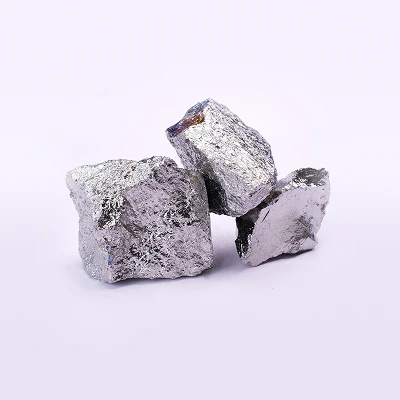
Magnesia is a common refractory material, which is widely used in many fields because of its good high temperature resistance and chemical stability. However, when using magnesia, we need to pay attention to some things to ensure safety and reasonable application. This article will introduce the use of magnesia precautions to help readers better understand and use magnesia.
First, avoid direct contact with the skin and eyes, pay attention to personal protection
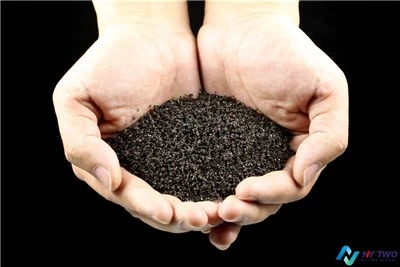
Magnesia has a certain corrosive, direct contact with skin and eyes may cause irritation and damage. Before using magnesia, be sure to wear personal protective equipment such as protective gloves and goggles to avoid direct contact between magnesia and skin and eyes. In case of contact, rinse immediately with water and seek medical attention.
Click here to view the picture in the new window
Second, avoid inhaling magnesia dust to ensure good ventilation
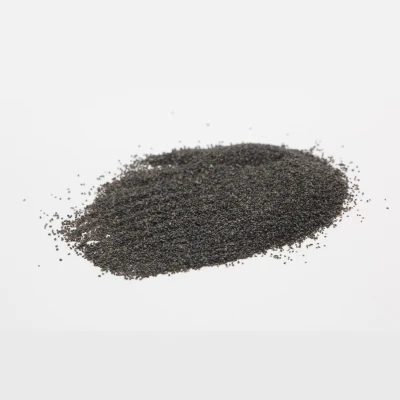
When processing and using magnesia, dust will be produced. Inhalation of magnesia dust may cause respiratory damage. Therefore, when operating magnesia, it should be ensured that the operating area is well ventilated to avoid dust accumulation. The risk of dust inhalation can be reduced by using local exhaust equipment and wearing dust masks.
Third, avoid contact with water, storage pay attention to moisture
Magnesia reacts with water to produce hydrogen, which can cause a fire or explosion. Therefore, when using and storing magnesia, contact with water should be avoided. Magnesia should be stored in a dry place, pay attention to moisture, avoid moisture intrusion, to ensure its performance and safety.
4. Follow the correct use methods and application restrictions
Magnesia has certain characteristics and application limitations. When using magnesia, the use methods and operating guidelines provided by the manufacturer should be followed, and the scope of application should not be exceeded. At the same time, the appropriate types and specifications of magnesia should be selected according to the actual needs, and the temperature and stress should be controlled during use to avoid exceeding the bearing range of magnesia.
Fifth, reasonable disposal of waste magnesia, environmental protection awareness
Waste magnesia needs to be properly disposed of to reduce its impact on the environment. When dealing with waste magnesia, relevant regulations and environmental requirements should be followed, and appropriate treatment methods should be selected, such as recycling or safe disposal. At the same time, we should also enhance the awareness of environmental protection, reduce the waste of magnesia and the negative impact on the environment.
When using magnesia, we need to pay attention to personal protection, avoid direct contact with the skin and eyes, and ensure that the operation area is well ventilated to avoid inhaling dust. Avoid contact between magnesia and water, pay attention to moisture and storage conditions. Following the correct use methods and application restrictions, and reasonable disposal of waste magnesia is also an important measure to ensure safety and environmental protection. By following these precautions, we can use magnesia more safely and rationally, and play its good performance and application value.