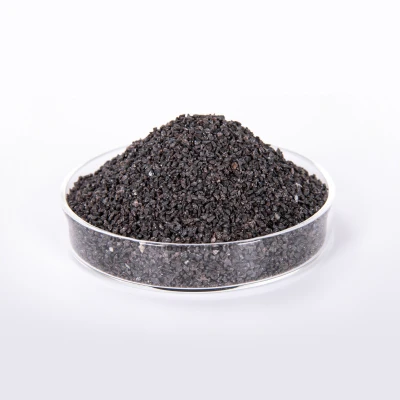

Manganese
The earliest use of manganese dates back to the Stone Age. As early as 17,000 years ago, manganese oxide (pyrolusite) was used as a pigment on cave paintings by people in the Upper Paleolithic period, and later found in weapons used by the Spartans in ancient Greece. The ancient Egyptians and Romans used manganese ore to decolorize or stain glass.
In 1868, Lecroncher produced the first dry battery, which was later improved to use manganese dioxide as a cathode depolarizing agent for dry batteries, and the application of manganese in the battery field drove the growth of demand for manganese dioxide.
Acute manganese poisoning usually occurs in oral solution concentrated in 1% potassium permanganate, which causes oral mucosal erosion, nausea, vomiting and stomach pain. 3% ~ 5% solution caused gastrointestinal mucosal necrosis, causing abdominal pain, hematochezia, and even shock; 5 to 19 grams of manganese can be fatal. When welding under poor ventilation conditions and inhaling a large number of new manganese oxide fumes, sore throat, cough, shortness of breath, and sudden chills and high fever (metal smoke fever) can occur.
Manganese smoke can cause pneumonia, pneumoconiosis, conjunctivitis, rhinitis and dermatitis.