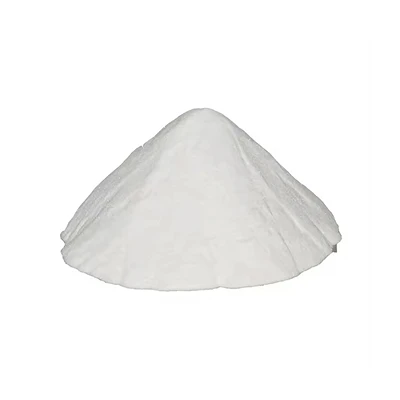

Refractory Grade Dead Burned Magnesite
Refractory Grade Dead Burned Magnesite: A Valuable Material for High-Temperature Applications
Refractory grade dead burned magnesite (DBM) is a type of magnesite that has been calcined at high temperatures, typically above 1600°C, resulting in a highly pure and stable product with excellent refractory properties. DBM is widely used in various high-temperature applications, particularly in the production of refractory bricks and linings for steel- and cement-making furnaces, as well as in the manufacture of other refractory materials for industrial purposes.
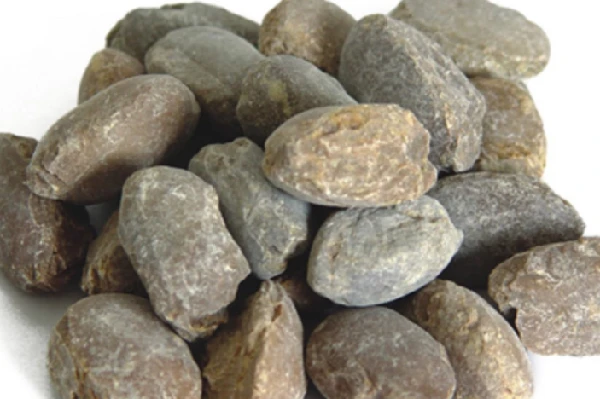
DBM has a number of advantageous properties that make it ideal for use in high-temperature environments. Firstly, it has a high melting point of around 2800°C, which means that it can withstand high temperatures without melting or degrading. Secondly, it has a low thermal expansion coefficient, which makes it highly resistant to thermal shock – the sudden changes in temperature that can cause other materials to crack or break. Thirdly, DBM has excellent chemical stability, with low reactivity towards acidic and basic materials. This makes it particularly useful in chemical and petrochemical applications, where it may be exposed to highly corrosive substances.
The manufacturing process for DBM is relatively simple. Magnesite ore, which is a naturally occurring mineral composed of magnesium carbonate (MgCO3), is first crushed and ground into a fine powder. This powder is then calcined at high temperatures in a rotary kiln, resulting in the decomposition of the magnesium carbonate into magnesium oxide (MgO) and carbon dioxide (CO2). The resulting product is a highly pure and dense material that is predominantly composed of MgO, with little or no impurities.
There are two main types of DBM: fused and sintered. Fused DBM is produced by melting the raw magnesite powder in an electric arc furnace, resulting in a glassy, dense product that has excellent resistance to slag and other corrosive materials. Sintered DBM, on the other hand, is produced by compacting the raw powder into a brick or block shape and firing it at high temperatures in a kiln. Sintered DBM is generally less dense and has a lower thermal conductivity than fused DBM, but it is more cost-effective and easier to produce in large quantities.
DBM is a valuable material for a wide range of high-temperature applications, and its use is likely to increase in the coming years as demand for high-performance refractory materials continues to grow. With its excellent refractory properties, superior chemical stability, and ease of production, DBM is a reliable and cost-effective solution for a variety of industrial and commercial applications.