
The use of brown corundum and how to choose the right specifications and grades
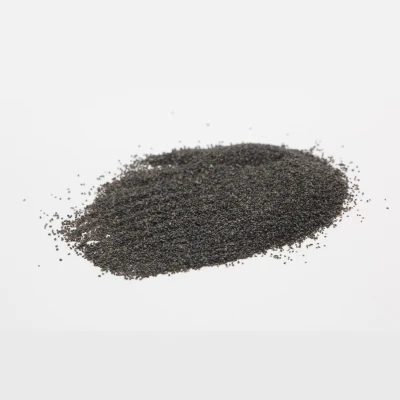
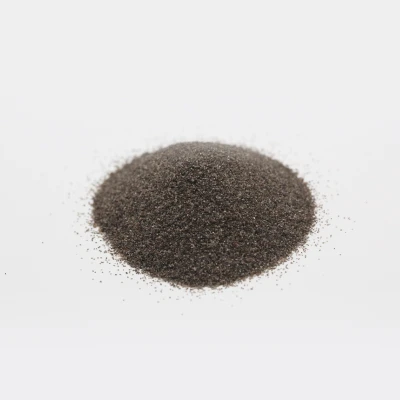
Brown corundum is an important industrial material, widely used in various fields. Its main component is α-Al. O? With high hardness, high strength, wear resistance, corrosion resistance and other characteristics, so it is widely used as abrasive, refractory, casting materials, metallurgical charges and so on. The following details the uses of brown corundum and how to choose the right specifications and grades.
First, the use of brown corundum
1. Abrasive: Brown corundum is one of the important raw materials in the abrasive industry, which can be used to make abrasive tools, grinding wheels, sandpaper, sand tile and other grinding tools for cutting, grinding and polishing metal and non-metal materials.
2. Refractory materials: Brown corundum can be used as a raw material for refractory materials, used for manufacturing high temperature kiln, casting refractory materials, casting sand and so on.
3. Casting materials: Brown corundum can be used to manufacture molding sand and binders for the casting industry.
4. Metallurgical charge: Brown corundum is also widely used in the metallurgical industry as a cosolvent for steelmaking, which is used to remove impurities from the metal surface and improve metal properties.
5. Other fields: Brown corundum can also be used in chemical, glass, ceramics and other industries as auxiliary materials in the production process.
Second, how to choose the right specifications and grades
Choosing the right size and grade is the key to using brown corundum. According to different application fields and requirements, brown corundum products with different particle size, hardness and purity can be selected. Here are some considerations for choosing brown corundum:
1. Particle size: Particle size refers to the particle size and shape of brown corundum. According to different application fields, brown corundum products of different particle sizes can be selected. For example, in the abrasive industry, fine-grained brown corundum products are usually used, while in the casting industry, coarse-grained brown corundum products are used.
2. Hardness: The hardness of brown corundum is related to its purity. The higher the purity, the higher the hardness. According to different application fields and requirements, brown corundum products with different hardness can be selected. In the abrasive industry, it is usually necessary to choose brown corundum products with high hardness, while in the casting industry, brown corundum products with medium hardness can be selected.
3. Purity: Purity refers to the content of impurities in brown corundum. The higher the purity, the less impurities, the better the quality of brown corundum. According to different application fields and requirements, brown corundum products of different purity can be selected. In some areas, such as precision machining, it is necessary to select brown corundum products with higher purity.
4. Grade: The grade of brown corundum is usually divided according to its quality and performance. According to different application fields and requirements, different grades of brown corundum products can be selected. In some areas, such as high-temperature refractory materials, it is necessary to select high-grade brown corundum products.
In addition to the above aspects, the following factors can also be considered:
5. Color: The color of brown corundum is related to its iron content. The higher the iron content, the darker the color. In some applications, such as the abrasive industry, lighter brown corundum products need to be selected because darker brown corundum may affect the grinding effect.
6. Packaging and storage conditions: Different specifications and grades of brown corundum have different requirements for packaging and storage conditions. It is necessary to choose the appropriate packaging and storage conditions according to the nature and requirements of the product to ensure product quality and stability.
In short, choosing the right size and grade of brown corundum needs to consider a number of factors, including particle size, hardness, purity, color, packaging and storage conditions. When choosing, it is recommended to consult professionals or refer to relevant industry standards and quality testing reports to ensure that the selected products meet the requirements and the quality is stable and reliable.