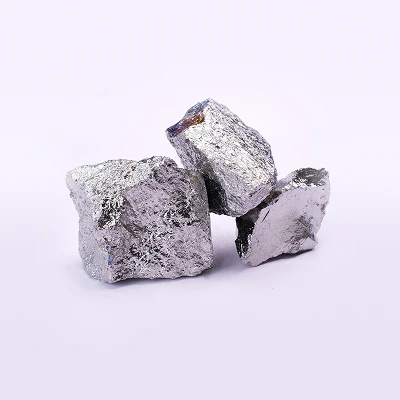

Ferro Manganese Low Carbon
In the production of tool steels, austenitic stainless steels, structural steels, and other types of steels. Low carbon ferro manganese is produced through the alumino thermic process, which involves heating a mixture of manganese dioxide and iron oxide. This process allows for the controlled reduction of manganese content in the ferro manganese alloy, resulting in a low carbon ferro manganese with a high degree of deoxidizing and alloying properties.
The use of low carbon ferro manganese in the steel industry is widespread, with applications ranging from the production of tool steels to austenitic stainless steels and structural steels. Tool steels typically require up to 0.4% manganese content, while austenitic non magnetic stainless steels require 0.15% to 0.5% manganese. Structural steels may require up to 0.6% manganese.
The production of low carbon ferro manganese has evolved in recent years, with the introduction of new technologies such as converter, shake baler, and oxygen blowing methods. These methods allow for greater energy efficiency and reduced carbon content in the production of ferro manganese, making it an increasingly important alloying element in the steel industry.
In summary, low carbon ferro manganese is a key alloying element in the production of a wide range of steel grades, including tool steels, austenitic non magnetic stainless steels, and structural steels. Its controlled reduction of manganese content through the alumino thermic process allows for high degrees of deoxidizing and alloying properties, making it a vital component in the steel industry.
JIYGO REFRACTORY & ABRASIVE LIMITED