
How Is Aluminum Oxide Created
Aluminum oxide, also known as alumina, is a common compound that is widely used in various industrial applications due to its excellent mechanical and chemical properties. In this blog post, we will explore how aluminum oxide is created and the different manufacturing processes involved in its production.
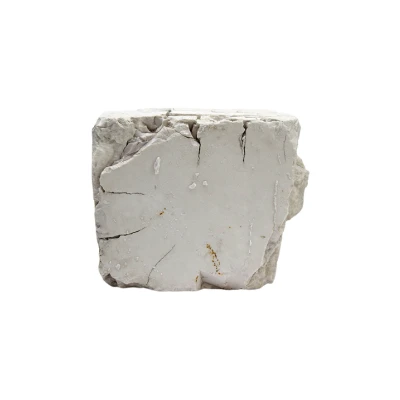
Aluminum oxide is produced from bauxite, a mineral that is found in abundance in various parts of the world. Bauxite is first mined and refined into alumina, a white powder that is then processed to produce aluminum oxide.
One of the most common methods of producing aluminum oxide is the Bayer process, which involves the following steps:
Grinding: Bauxite is ground into a fine powder and mixed with caustic soda, a strong alkaline compound.
Digestion: The mixture is then heated and stirred in a digester vessel under high temperature and pressure. This process dissolves the alumina in the bauxite and converts it into sodium aluminate.
Settling: The sodium aluminate solution is then transferred to a settling tank, where the impurities settle to the bottom and the clear liquid, known as liquor, is separated and sent for further processing.
Precipitation: The liquor is then cooled and treated with more chemicals to produce aluminum hydroxide, which is then filtered and washed to remove any remaining impurities.
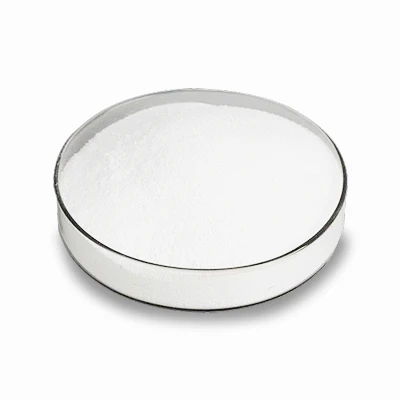
Calcination: The aluminum hydroxide is then heated at high temperatures to produce aluminum oxide, which is a fine white powder.
Another method of producing aluminum oxide is the sintering process, which involves the following steps:
Preparation: Bauxite is crushed and mixed with additives to create a uniform mixture.
Sintering: The mixture is then heated in a furnace at high temperature and pressure to melt the additives and bind the bauxite particles together.
Crushing: The sintered material is then crushed to create a fine powder.
Calcination: The powder is then heated at high temperatures to produce aluminum oxide.
In conclusion, aluminum oxide is created from bauxite using different manufacturing processes such as the Bayer process and the sintering process. These methods involve grinding, digestion, settling, precipitation, calcination, and sintering to produce the final product, which is a fine white powder widely used in various industrial applications.
JIYGO REFRACTORY & ABRASIVE LIMITED