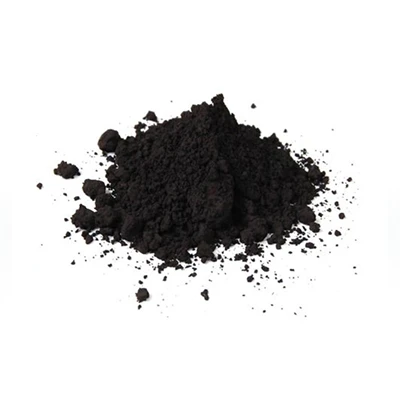

The Definition Of Refractory Materials
Refractories refer to inorganic non-metallic materials with a refractoriness of not less than 1580 ° C.Refractories generally use the natural ore and rock of the aluminum silicate system as the main raw materials, its basic process and some basic characteristics are similar to other products of the silicate system, so the refractories are listed as a product in the silicate system, which is an important part of the silicate industry. It and cement, ceramics, glass and other silicate industry in the national economy has a very important position and role.Refractory material is known as the "mother of steel" reputation, because it has the special performance of resistance to high temperature in thermal equipment, and occupies a very important position in the development of modern industry. With the discovery and needs of science and technology, the scope of use of refractory materials is expanding day by day, from metallurgy (including steel and non-ferrous metallurgy, etc.), silicate (cement, ceramics, etc.), chemical industry, power, machinery manufacturing and other industries, extended to all high-temperature operation of industrial and mining enterprises, the furnace (combustion kiln, melting pool, fire passage, crucible) and other thermal equipment heating part, refractory materials are An indispensable important building structural material. High temperature resistant materials or parts are also indispensable in advanced scientific fields (such as rockets, atomic reactors, etc.).Because refractory materials are used for a long time in a variety of high temperature equipment under different heating conditions, it is subject to high temperature and various other different conditions, and is damaged by complex physical and chemical reactions. Therefore, refractories must have the following important properties.
1. It is not easy to melt at high temperature
The working temperature of modern industrial kilns is generally between 1000 and 1800 ° C, therefore, the refractory material must first have the performance that is not easy to melt at this temperature.
2. It does not soften under high temperature pressure
The melting temperature of most refractories is more than 1650~1700℃, but it begins to deform (soften) before reaching the melting temperature, and loses the structural strength, so the refractory should not only have a high melting temperature, but also should have the performance of deformation under the condition of high temperature load.
3, the volume is stable in high temperature environment
When refractories are used under high temperature conditions, the volume changes due to the physical and chemical reaction inside the material. This change of most refractories is volume contraction, and a few are expanded. Whether it is volume shrinkage or expansion, such as beyond a certain range can cause damage to the furnace body. Therefore, the refractories are required to have good high temperature volume stability.
It can resist the pit and Juju rattan is also affected by uneven grip and caused や damage
In the kiln with intermittent operation, at high temperature, rapid changes or uneven heating of masonry in each part will produce stress in the bricklaying body and crack the material, resulting in furnace body damage. Therefore, the refractory material should have the performance of thermal stability that can withstand the sharp change and fluctuation of the furnace temperature without cracking.
5, high temperature can resist the erosion of slag
Refractory materials in the process of use, due to the disguised contact of fuel ash, molten slag and molten metal and other effects of erosion. Therefore, refractories should have the ability to resist this kind of erosion. When using refractories, it is necessary to choose reasonably according to the main requirements of the occasion and the characteristics of various refractories
JIYGO REFRACTORY & ABRASIVE LIMITED