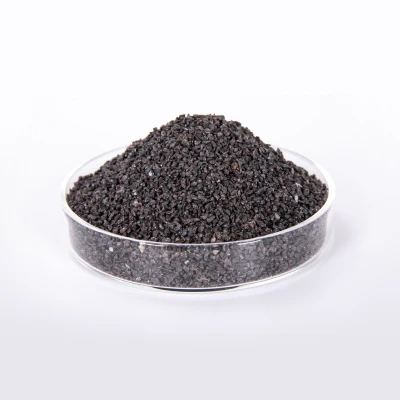

What Is Mullite
Mullite, also known as aluminum silicate (3Al2O3·2SiO2), is a type of ceramic material that is widely used in various industrial and engineering applications due to its excellent chemical and physical properties. It is a rare mineral that occurs naturally in nature, but it can also be synthesized in a laboratory.
Mullite has a unique crystal structure that makes it highly resistant to thermal shock, mechanical stress, and chemical corrosion. It can withstand extreme temperatures up to 1700°C without showing any signs of deformation or cracking, making it an ideal material for high-temperature applications such as refractory linings, kiln furniture, cutting tools, and furnace components.
Mullite is also highly resistant to chemical attack by acids, alkalis, and molten metals, which makes it suitable for use in harsh chemical environments.
In addition to its excellent thermal and chemical properties, mullite is also a good electrical insulator and has low thermal conductivity. This makes it an excellent material for use in high-temperature electrical applications such as thermocouple protection tubes, heating elements, and spark plugs.
Mullite can be easily fabricated into various shapes and sizes using a variety of manufacturing techniques such as casting, pressing, extrusion, and injection molding. It can also be mixed with other materials such as alumina, zirconia, and silicon carbide to form composite materials with enhanced properties.
Overall, mullite is a highly versatile and valuable material that is widely used in various industrial and engineering applications due to its excellent thermal, mechanical, chemical, and electrical properties. It is a key component in many high-temperature and harsh chemical environments, and its unique crystal structure and manufacturing capabilities make it an ideal material for a wide range of applications.