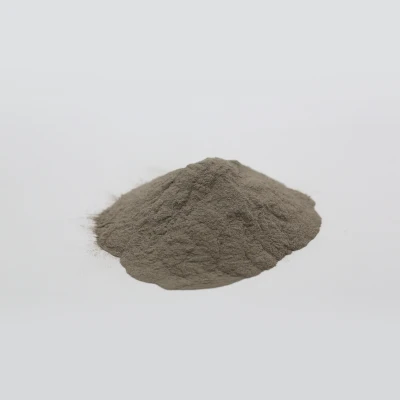

What Is Silicon Carbide
What is Silicon Carbide and its Important Properties?
Silicon carbide (SiC) is a compound semiconductor material that is also known as carborundum. It is a combination of silicon and carbon, and it is one of the hardest materials available in nature. This material has high thermal conductivity, high resistance to thermal shock, and high electrical conductivity that make it an ideal choice for a wide range of applications in various industries.
In this blog, we will dive deeper into the properties of silicon carbide and its applications in different sectors.
Properties of Silicon Carbide
High melting point: Its melting point is above 2,800°C, which makes it usable in high-temperature applications like power electronics and semiconductors.
High mechanical strength: This material has superior mechanical properties like high fracture toughness, high wear resistance and good chemical resistance that make it suitable for abrasive and cutting tools.
High thermal conductivity: Silicon carbide has a high thermal conductivity that makes it useful as a high-temperature heat exchanger.
Chemically inert: SiC is chemically inert to most acids and alkalis. This property makes it useful in harsh chemical processing environments.
High resistance to radiation: It has high resistance to radiation damage, which makes it useful in nuclear power plants.
Electrical conductivity: Silicon carbide has excellent electrical conductivity properties that make it ideal for use in high power electronic devices.
Applications of SiC
Silicon carbide has a wide range of applications across various industries due to its remarkable properties. Here are a few applications of SiC-
Power Electronics: Silicon carbide is used extensively in power electronics, particularly in the production of MOSFETs (Metal Oxide Semiconductor Field Effect Transistors) and diodes. SiC based power electronics can handle much higher temperature ranges than conventional silicon based electronics can, making them crucial in the automotive and aerospace industries.
Semiconductor Industry: Silicon carbide-based materials have better heat dissipation and require less space, allowing for more efficient electronics and smaller form factors. This makes SiC an ideal material for semiconductor devices that require high-performance under harsh conditions.
Abrasive and Cutting Tools: Due to its high hardness and great wear resistance, silicon carbide is used as an abrasive material for grinding and cutting tools.
Ceramics and Refractory Materials: Silicon carbide is used as a ceramic material for high-performance applications, like mechanical seals and bearings. Moreover, it is used as a refractory material due to its high thermal shock resistance.
Nuclear Energy: Due to its high resistance to radiation damage, SiC is used in the nuclear power industry for safety conscious components.
Conclusion
In conclusion, Silicon carbide is a versatile compound semiconductor material that has excellent properties like high thermal conductivity, high hardness, and high electrical conductivity. It is increasingly being used across multiple industries like power electronics, aerospace, nuclear energy, and cutting tools. Given its extraordinary properties, it can be beneficial to explore its use in novel technology applications.
JIYGO REFRACTORY & ABRASIVE LIMITED