


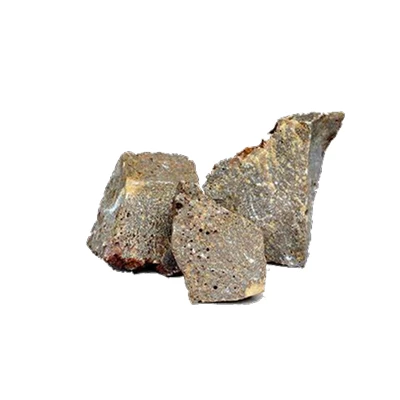

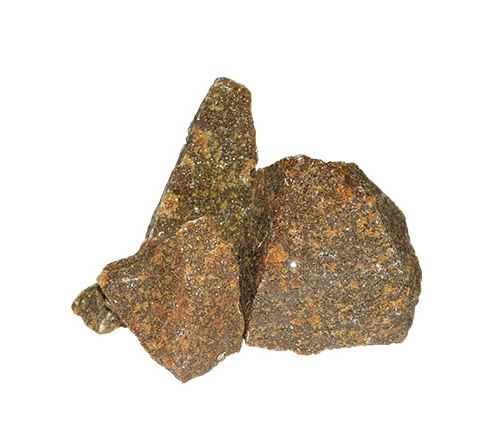
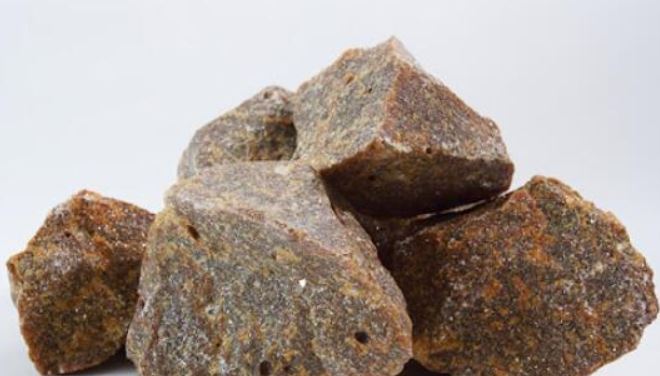
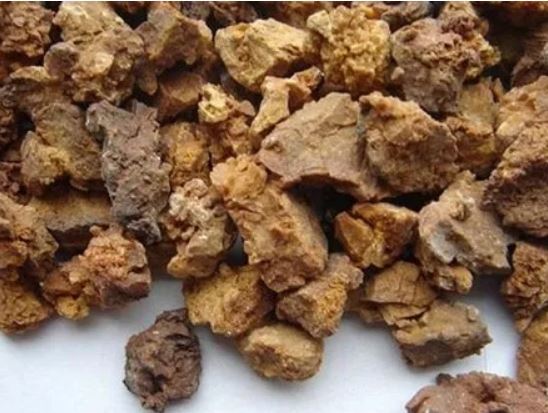
Fused Magnesia Price
Fused Magnesia Price : What Affects the Cost? Fused magnesia, also known as FM, is a type of refractory material that is widely used in various industries such as steel, cement, and glass. It is made by melting high-purity magnesia in an electric arc furnace, then cooling and solidifying the...
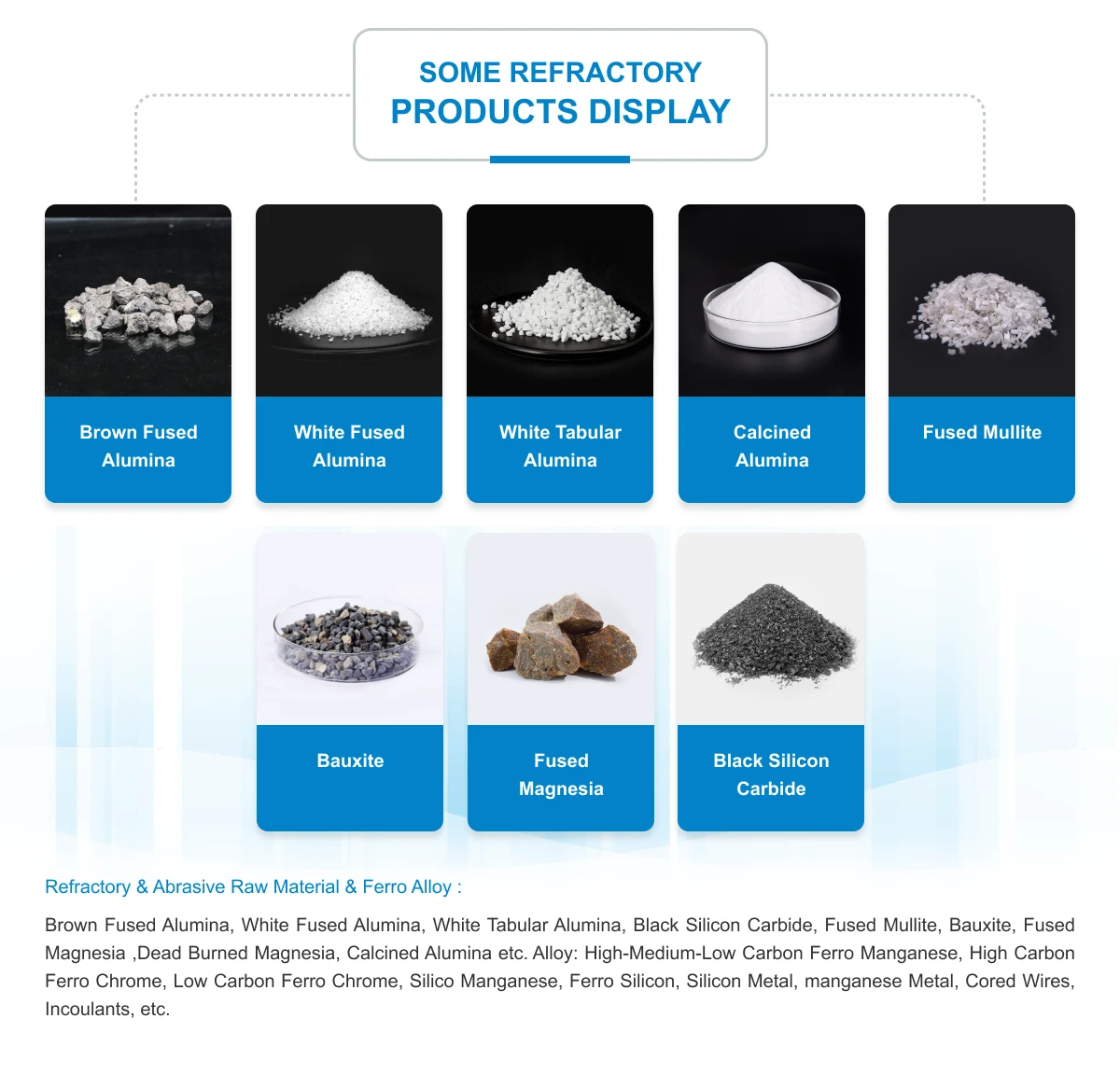
Fused magnesia, also known as FM, is a type of refractory material that is widely used in various industries such as steel, cement, and glass. It is made by melting high-purity magnesia in an electric arc furnace, then cooling and solidifying the molten mass. The resulting product is a dense, hard material that has excellent thermal and chemical stability.
Factors that affect the price of fused magnesia
Raw Materials
The primary raw material used in fused magnesia production is magnesite, a naturally occurring mineral that is mined from the earth's crust. The quality of magnesite used affects the overall cost of fused magnesia. High-quality magnesite is more expensive, which affects the price of FM.
Production Process
Fused magnesia is manufactured through an energy-intensive process that requires specialized equipment and expertise. The cost of production is influenced by various factors, including labor costs, plant capacity, and technology used. The more advanced the production process, the higher the cost of production, and thus, the higher the price of FM.
Market Demand
The demand for fused magnesia influences its price in the market. Increased demand raises the price of FM, while decreased demand results in a reduction of the price. The market demand for fused magnesia depends on several factors such as the global economy and the demand for products that use fused magnesia.
Shipping Costs
Fused magnesia is primarily produced in China, Europe, and the United States; the shipping distance impacts the transportation cost that is included in the final price of FM. The cost of shipping also depends on the mode of transportation and the size of the order.
Competition
The competitiveness of the fused magnesia market also affects the price of FM. The more competitors there are, the lower the price, while limited competition results in a higher price. The competitive environment in the fused magnesia market depends on several factors such as the number of producers, the level of product differentiation, and the availability of substitute products.
In conclusion, fused magnesia price is influenced by several factors, including the raw materials used, the production process, market demand, shipping costs, and competition. It is essential to consider these factors when determining the cost of fused magnesia when making purchasing decisions. While fused magnesia is crucial to many industries, potential buyers should weigh the pros and cons of different fused magnesia suppliers and their prices to ultimately make informed decisions.
Hot Tags: fused magnesia price, China fused magnesia price manufacturers, suppliers, refractory dyes, refractory zinc silicates, refractory application, Refractory, spraying refractory, refractory nickel oxide

You Might Also Like


Send Inquiry
