


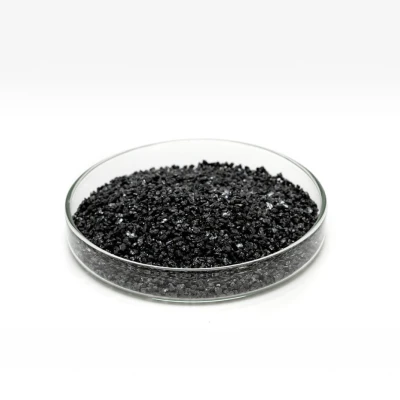

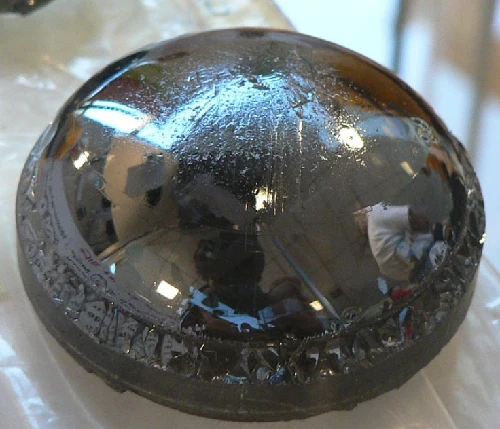
Silicon Carbide Is A Conductive Refractory Material
Refractories can be classified as conductive, non-conductive or insulating according to thermal conductivity. Examples of conductive refractories are silicon carbide ( SiC ) and zirconium carbide (ZrC), while examples of non-conductive refractories are silica and alumina. Insulating refractories...
Refractories can be classified as conductive, non-conductive or insulating according to thermal conductivity. Examples of conductive refractories are silicon carbide (SiC) and zirconium carbide (ZrC), while examples of non-conductive refractories are silica and alumina. Insulating refractories include calcium silicate material, kaolin and zirconia.
Insulating refractories are used to reduce the rate of heat loss through the furnace walls. These refractories, which have low thermal conductivity due to their high porosity, have the required porous structure, i.e., uniform small pores evenly distributed throughout the firebrick to minimize thermal conductivity. Insulating refractories can be further classified into four types:
Heat resistant insulation material, application temperature ≤ 1100 °C
Refractory insulating material, application temperature ≤ 1400 °C
High refractory insulation material with temperature ≤ 1700 °C
Application temperature ≤ 2000 °C of ultra-high refractory insulation materials
Hot Tags: silicon carbide is a conductive refractory material, China silicon carbide is a conductive refractory material manufacturers, suppliers, refractory antimony silicates, refractory castable, refractory paints, refractory exporter, refractory hydroxides, refractory hydroxide silicates

You Might Also Like


Send Inquiry
