
How To Treat White Corundum And Its White Corundum Dust
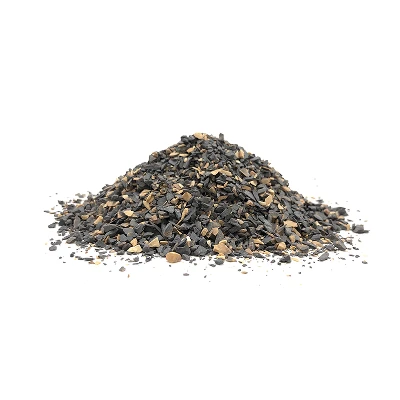
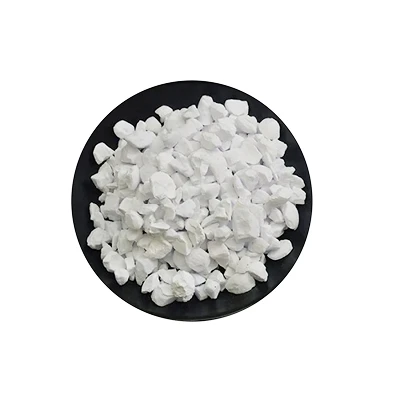
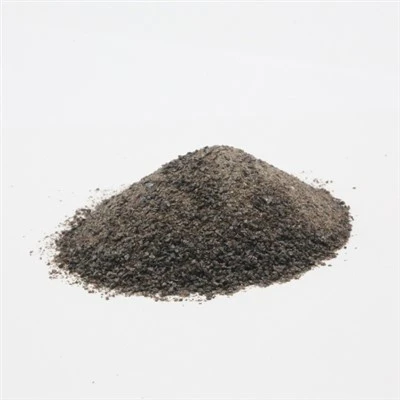
White corundum abrasive is one of the most widely used in the industry, there are white corundum sand, white corundum sand, white corundum fine powder, white corundum micro-powder, fine white corundum can be used as polishing and grinding head, suitable for various forms of grinding processing, etc., these are inseparable from its own excellent performance characteristics:
(1) Because white corundum has high temperature resistance, corrosion resistance, high strength and other properties, it is used to pour steel sliding nozzle, smelting rare metals, special alloys, ceramics, iron blast furnace lining (wall and pipe); Physical and chemical utensils, spark plugs, heat resistant and oxidation resistant coating.
(2) Due to the characteristics of high hardness, good wear resistance and high strength, in the chemical system, it is used as a variety of reaction vessels and pipelines, chemical pump components; Do mechanical parts, all kinds of molds, such as wire drawing die, extrusion pencil core die mouth, etc.; Do tools, mold abrasives, bulletproof materials, human joints, sealing mold rings, etc.
(3) White corundum insulation materials, such as corundum light bricks, corundum hollow balls and fiber products, are widely used in various high temperature furnace walls and furnace tops, both high temperature resistance and heat insulation. It can also be used for polishing, grinding, industrial grinding, etc.
White corundum abrasives are easy to produce dust during operation or treatment, if the dust accidentally enters the eyes, skin, nasal cavity and throat, etc., what should we do? Here is a specific summary for you:
According to the investigation, there are the following measures to deal with dangerous situations:
1. Eye contact: Immediately rinse the eyes with plenty of water and lift the upper and lower eyelids from time to time. Check and remove any contact lenses. If you feel pain, seek medical attention. Exposure above legal or recommended concentrations of airborne pollution may cause eye irritation. Symptoms: eye irritation, bloodshot redness.
2. Inhalation: Move the patient to a place with fresh air. If you develop symptoms, seek medical attention. Exposure above legal or recommended levels of airborne pollution may cause nasal, throat and lung irritation. Symptoms: cough, respiratory pain
3, skin contact: wash with soap and water. If you develop symptoms, seek medical attention.
4. Ingestion: Rinse the mouth with water. If you develop symptoms, seek medical attention.