


The Advantages OfTabular Alumina
Sep 08, 2023
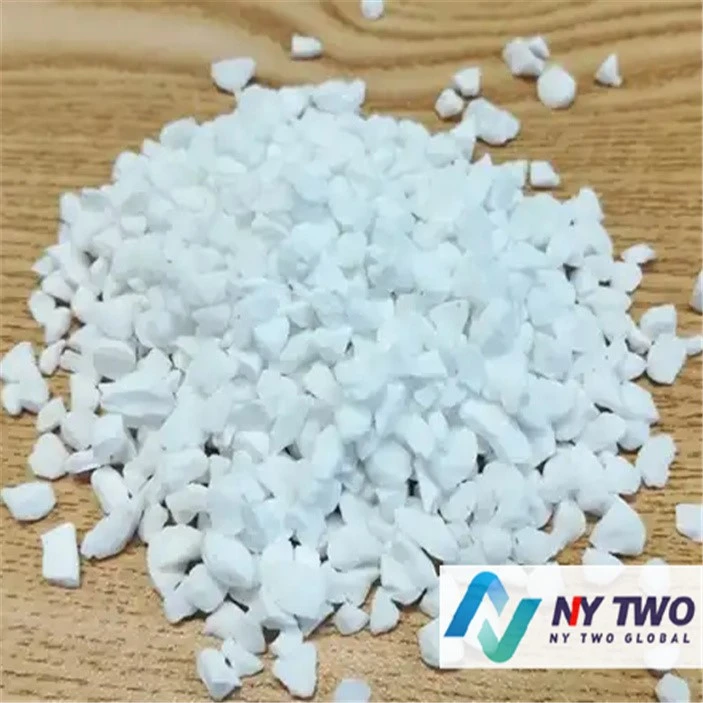
Application in the steel industry. The main reasons for this increase are:
- Better thermal stability: Tabular alumina has excellent thermal stability, which makes it suitable for high-temperature processes in steel production. It can withstand extreme temperatures without melting or cracking, and it maintains its properties even after repeated thermal cycles.
- High refractoriness: Tabular alumina has a high refractoriness, which means it can withstand high-temperature atmospheres without cracking or deforming. It is widely used in the production of furnace bricks, refractory lining, and crucibles for high-temperature processes in steelmaking.
- Wear resistance: Tabular alumina has good wear resistance, which makes it suitable for use in steelmaking processes where wear and tear are common. It can withstand wear from high-temperature materials, chemicals, and abrasive materials.
- Better performance in casting: Tabular alumina is used as a component in various casting materials such as molding sand, binder, and flux. It can improve the quality of the castings by reducing porosity and enhancing the bonding between the cast material and the mold.
- High purity: Tabular alumina is pure sintered corundum, which means it has no additives and high purity. This makes it suitable for use in applications where purity is critical, such as in chemical and semiconductor industries.
In summary, Tabular alumina has excellent performance in high-temperature processes, wear resistance, and thermal stability. Its high refractoriness, wear resistance, and purity make it suitable for various applications in the steel industry, such as furnace bricks, refractory lining, crucibles, casting materials, and other high-temperature processes. Its use has increased significantly in recent years, especially in the production of steelmaking furnace bricks and refractory lining.
JIYGO REFRACTORY & ABRASIVE LIMITED


