
What Is Silicon Carbide, What Are The Uses Of Silicon Carbide?
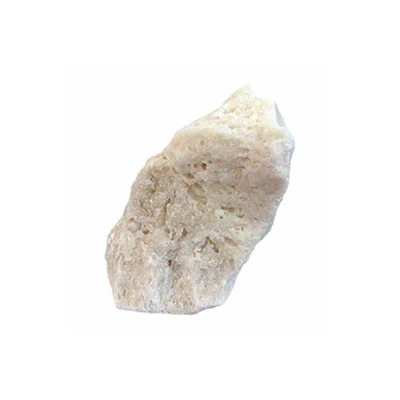
Silicon carbide (SiC) is made from quartz sand, petroleum coke (or coal coke), wood chips (salt is required to produce green silicon carbide) and other raw materials by high temperature smelting through a resistance furnace. Silicon carbide also exists in nature as a rare mineral, moissanite. Silicon carbide is also known as carbonite. In the contemporary C, N, B and other non-oxide high-tech refractory raw materials, silicon carbide is the most widely used, the most economical one, can be called gold steel sand or refractory sand. At present, China's industrial production of silicon carbide is divided into black silicon carbide and green silicon carbide two kinds, are hexagonal crystals, the specific gravity of 3.20 ~ 3.25, microhardness of 2840 ~ 3320kg/mm2.
The molecular formula is SiC, its hardness is between corundum and diamond, the mechanical strength is higher than corundum, can be used as abrasive and some other industrial materials. Industrial silicon carbide was successfully developed in 1891 and is the earliest artificial abrasive. Although a small amount of silicon carbide exists in meteorites and the crust, no mineral source has been found for mining so far.
So what are the main uses of silicon carbide?
First, abrasive - mainly because silicon carbide has high hardness, chemical stability and a certain toughness, so silicon carbide can be used to manufacture cemented abrasives, coated abrasives and free grinding, so as to process glass, ceramics, stone, cast iron and some non-ferrous metals, cemented carbide, titanium alloy, high-speed steel tools and grinding wheels.
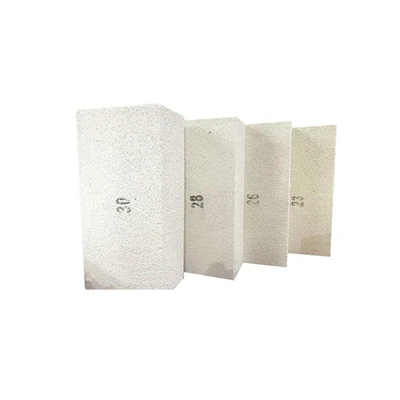
Second, refractory and corrosion resistant materials - mainly because silicon carbide has a high melting point (degree of decomposition), chemical inertia and thermal vibration resistance, so silicon carbide can be used for grinding tools, ceramic products fired into the kiln with the shed and saggar, zinc smelting industrial vertical cylinder distillation furnace with silicon carbide bricks, aluminum electrolytic tank lining, crucible, small pieces of furnace materials and other silicon carbide ceramic products.
Third, chemical industry - because silicon carbide can be decomposed in molten steel and react with oxygen and metal oxides in molten steel to produce carbon monoxide and silicon-containing slag. Therefore, it can be used as a purifying agent for smelting steel, that is, as a deoxidizer for steelmaking and a cast iron tissue improver. This generally uses low-purity silicon carbide to reduce costs. It can also be used as a raw material for the manufacture of silicon tetrachloride.
Electrical -- used as heating elements, nonlinear resistance elements and high semiconductor materials. Heating elements such as silicon carbon rod (suitable for all kinds of electric furnaces working at 1100 ~ 1500℃), nonlinear resistance elements, all kinds of lightning arrester valve plates.