


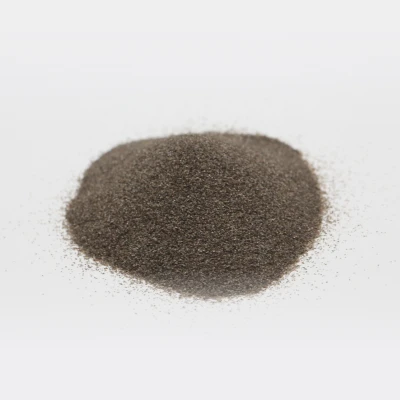
Brown Fused Alumina
$50.00.00 | 1 kg(Min.Order)
Brown fused alumina, also known as brown aluminum oxide, is a type of synthetic abrasive material that is made by fusing bauxite with other materials in an electric arc furnace. It is known for its high hardness and durability, making it a popular choice for a wide range of industrial applications.Brown fused alumina was first produced in the 1890s, and its use as an abrasive material quickly became popular in various industries. Over time, improvements were made to the production process and new applications for the material were discovered.
Our Factory
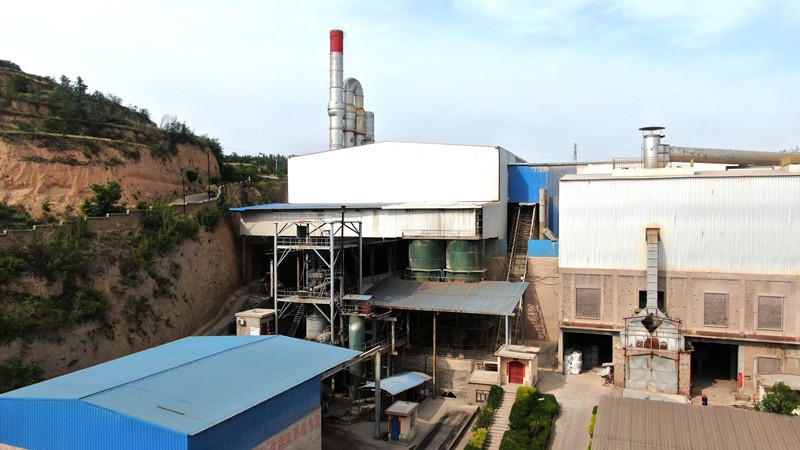
NY TWO GLOBAL has strong presence at refractory & abrasive industry since ten years ago. By combining sources and optimized expert team, we are widening our business into Alloy, Big Bag and retail industries.We have two 100% owned BFA plants and one big bag plant. By investing some other refractory plants, we enhance our position of production and quality control for a better price.Refractory & Abrasive Raw Material: Brown Fused Alumina, White Fused Alumina, White Tabular Alumina, Black Silicon Carbide, Fused Mullite, Bauxite,Fused Magnesia ,Dead Burned Magnesia, Calcined Alumina etc. Alloy: High-Medium-Low Carbon Ferro Manganese, High Carbon Ferro Chrome, Low Carbon Ferro Chrome, Silico Manganese, Ferro Silicon, Silicon Metal, manganese Metal, Cored Wires,Incoulants,etc.
Why Choose Us
Factory strength
NY TWO GLOBAL has strong presence at refractory & abrasive industry since ten years ago. By combining sources and optimized expert team, we are widening our business into Alloy, Big Bag and retail industries.
Quality control
Real-time data testing and inspecting for each phase of production by our own laboratory.
Our certificate
All our plants meet ISO 9001:2015, ISO 14001:2015 & OHSAS 18001:2007.
Production market
By strong presence in China, India, Turkey, Europe and U.S., we have tight connections with main player in each Industries.
Related Product

zirconia beads use rare earth yttrium oxide as a stabilizer, the use of high whiteness, high fineness of raw materials to ensure that the material does not pollute. Fine microstructure, smooth working surface, reduce the internal friction of beads, improve the grinding efficiency. 2, can be.

Brown corundum abrasive sand is widely used in machining parts for ultra-fine grinding, but also can manufacture refractory materials, heat insulation panels, ceramic tools, brown corundum abrasive sand can also be used as spray raw materials.

Professional supply JS standard 240#--8000# Silicon carbide: Specific gravity: 3.2 Bulk density: 1.45-1.56g/cm3 Mohs hardness: 9.15 Typical ingredients (%6): SiC:292.5 Free C: s0.30Fe 0:s1.2 Shape: Polygonal Color: Green: 25kg pack. Silicon Carbide product introduction:Green silicon carbide

Cubic silicon carbide, also known as B-SiC, is a cubic crystal system (adamantine crystal type). The hardness of cubic silicon carbide /B-SiC is 9.25-9.6, which is close to 10 of diamond, and the finish is better than diamond. Cubic silicon carbide /B-SiC is second only to chrysospar *1One of.

Black silicon carbide powder is made of high quality silicon carbide and petroleum coke as raw materials, which is smelted at a high temperature of more than 2000 degrees in a resistance furnace for more than 46 hours. The hardness of black silicon carbide is between corundum and diamond, the

Product Introduction Of Mullite Brick
High alumina refractory with mullite (Al2O3•SiO2) as the main crystalline phase. Generally, the alumina content is between 65% and 75%. In addition to mullite, the lower alumina content also contains a small amount of glass phase and cristobalite; Higher alumina content also contains a.

WA white corundum sand is made of aluminum oxide powder as raw material, which is crystallized by electrolysis. Its hardness is slightly higher than that of brown corundum, with slightly lower toughness, high purity, strong grinding force, low heat output, high efficiency, acid and alkali

Alumina sand: Shape: Polygonal Mohs Hardness: 9 Specific gravity :3.95-3.97 Bulk density: GB10-220:1.6-1.97g /cm3 GB240-1200: 0.7-1.7g/cm3 Typical composition (%6): Al203:99.60Na20:0.18Si02:0.01 Fe203:0.02 CaO+Mgo: 0.02 Color: White Packing: 25kg pack.

[Product specifications] : various specifications of sand, powder [Production capacity] : 50,000 tons/year 【 Application 】 : metallurgy, ceramics, building materials, chemical, electric power and casting industries. 【 Product Introduction 】 : Electric fused mullite is a kind of high quality.
What is Brown Fused Alumina
Brown fused alumina, also known as brown aluminum oxide, is a type of synthetic abrasive material that is made by fusing bauxite with other materials in an electric arc furnace. It is known for its high hardness and durability, making it a popular choice for a wide range of industrial applications.Brown fused alumina was first produced in the 1890s, and its use as an abrasive material quickly became popular in various industries. Over time, improvements were made to the production process and new applications for the material were discovered.
Benefits of Brown Fused Alumina
No ferrous contamination
Brown Fused Aluminum Oxide abrasive is more than 95% pure aluminum oxide. Blasting with Brown Fused Aluminum Oxide will not promote ferric contamination or rust on your surface. This makes Brown Fused Aluminum Oxide the preferred abrasive choice in applications where ferrous contamination is a concern.
Increased production
Brown Fused Aluminum Oxide's higher bulk density and high hardness results in more energy being transferred to the work surface than mineral or slag abrasives, easily removing surface contamination, rust, and mill scale. Brown Fused Aluminum Oxide's uniform particle size provides consistent coverage and surface finish, increasing production rates.
Recyclability
The low friability of Brown Fused Aluminum Oxide allows it to be recycled up to seven times or more. Unlike mineral or slag abrasives, Brown Fused Aluminum Oxide will not completely shatter when it hits a surface, keeping its relative size. Recycling Brown Fused Aluminum Oxide increases profitability by reducing abrasive consumption, shipping, cleanup, and disposal costs. Abrasive blast cabinets provide the best recyclability rate.
Application of Brown Fused Alumina
Abrasive Industry
As an abrasive, Brown Fused Alumina offers certain benefits and traits. First off, it is a stiff abrasive with a very high degree of hardness, making it more efficient in removing materials from the workpiece's surface during the grinding and polishing process. This results in higher processing effectiveness and better processing quality. Additionally, Brown Fused Alumina is difficult to wear and has strong abrasion resistance, allowing it to retain a long service life during usage. Brown Fused Alumina is particularly significant in the field of high-temperature processing due to its exceptional thermal stability and ability to retain performance at high temperatures.
Refractory Raw Material Industry
When creating refractory bricks and coatings, brown fused alumina is a crucial component. Due to Brown Fused Alumina's strong refractoriness and abrasion resistance, which make up one of the key components of refractory bricks, refractory bricks can survive high temperatures and chemical assaults, making them a common component of industrial furnaces and high-temperature kilns. Furthermore, Brown Fused Alumina particles in refractory coatings improve adhesion and abrasion resistance, prolonging the useful life of refractory coatings and shielding the surface of refractory bricks from extreme heat and chemical degradation.
How to Choose Brown Fused Alumina
Material Being Worked on
The type of material being worked on is another crucial factor to consider when selecting Fused Alumina. For example, if you are working on stainless steel or non-ferrous metals, Black Fused Alumina is the right choice. If you are working on metals, wood, or plastics, Brown Fused Alumina is ideal.
Desired Finish
The desired finish is another factor to consider when selecting Fused Alumina. For example, if you need a smooth and shiny finish, White Fused Alumina is the right choice. If you need a rough finish for surface preparation, Black Fused Alumina is the best choice.
Particle Size
The particle size determines the abrasive's cutting power and the surface finish. Smaller particles provide a smoother finish, while larger particles provide a rougher finish.
Cost
Different grades and types of Fused Alumina have different prices. It is essential to consider the cost-effectiveness of the material for your application.
The quality and consistency of the material
When choosing the right Fused Alumina, it is also essential to consider the quality and consistency of the material. The quality of the Fused Alumina can affect the final product's quality and consistency. It is crucial to choose a reputable supplier that can provide high-quality and consistent Fused Alumina.
Packaging and storage
Another factor to consider is the packaging and storage of the Fused Alumina. The packaging should be durable and able to protect the material from moisture and contaminants. The storage conditions should be dry and cool, away from direct sunlight and heat.
Safety guidelines
It is also important to follow the recommended safety guidelines when handling Fused Alumina. Fused Alumina is a sharp and abrasive material that can cause injury if not handled correctly. Always wear protective gear such as gloves, eye protection, and a dust mask when working with Fused Alumina.
Process of Brown Fused Alumina
Calcined Bauxite, Anthracite and Iron Fillings are the main raw materials for producing of Brown Fused Alumina. BAIYUN GROUP choose the best quality calcined bauxite which contains about 88% aluminium oxide, which is the main source of Al2O3 in BFA. These raw materials are mixed together at certain proportion and fused/smelted in electric arc furnace in about 2200℃. Common furnaces are Fixed Furnace or Tilting Furnace (Dumping Furnace).
The fused BFAare cooled down and crushed into big lumps which look brown. This is material of high aluminium oxide content. BFA lumps are then crushed into smaller sizes for further production.
Brown Fused Alumina lumps grits are then put into crushers for further crushing into smaller sizes and screened into grits of different sieving distribution. This is coarse finer grades of good sieving distribution suitable for abrasives and refractory purposes. There are different quality standard such as GB, FEPA, JIS, ANSI standards. After screening, content of Aluminium Oxide (Al2O3) is about 95%, with little content of Iron Oxide (Fe2O3), Titanium Oxide (TiO2) and Silicon Oxide (SiO2) and little magnetic contents. Magnetic contents are then removed relevant equipment, which process is important as for refractory and abrasives applications magnetic contents will harm the finished products. For Al2O3, the finer(smaller) the grit is, the lower the content is.
Brown Fused Alumina grits are then washed by water or acid to remove dust, magnetic contents and impurities. These unnecessary contents are easy to cause scratch, corrosion, cracks and dark spots on abrasives and refractory products. Washing process also helps get harder and purer materials which have better performance and better for recycling.
After production, Brown Fused Alumina are packed and shipped to customers. Most common packing are Big Bags of 1 metric ton, 1.2 or 1.3 metric tons. Or packed into 25kg woven plastic bags or 25kg paper bags, and 40 bags on a pallet.
How To Distinguish The Quality Of Brown Aluminum Oxide Micropowder
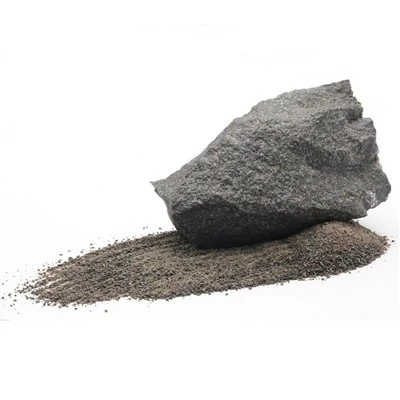
Look at the color first. The color of brown aluminum oxide is usually brown and translucent. If the color of brown aluminum oxide is lighter, it has high aluminum content and appears shiny brown. Under the sunlight, brown corundum has high transparency. Relatively speaking, if the color of brown corundum is darker with a little cyan, then this kind of brown corundum will have greater hardness, higher wear resistance, and higher iron content.
The smaller the particles of brown aluminum oxide, the lighter the color, such as brown aluminum oxide powder, even has a light gray color, on the contrary, the larger the particles of brown corundum, the darker the color, but no matter the particle size, the material of brown corundum Are the same. Therefore, the depth of the color of brown aluminum oxide is related to the particle size.Brown fused alumina is divided into three quality grades, the best of which is grade 1 brown fused alumina, followed by grade 2 and grade 3. The quality of brown fused alumina is mainly based on the content of Al2O3.
Current market position and development trend
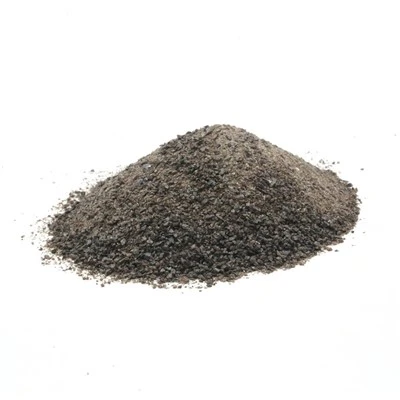
Currently, Brown Fused Alumina's market position in the industrial field is growing, and it is widely used in the abrasive, abrasive tools, and refractory raw materials industries. With the increasing demand for efficient, high-quality materials for industrial production, Brown Fused Alumina will continue to maintain its important position. Market trends indicate that demand for Brown Fused Alumina will continue to grow in areas such as metalworking, ceramics manufacturing, and glass craftsmanship.
Improvement and Innovation Performance by New Technology
With the advancement of science and technology, new technologies will continue to improve and innovate the performance of Brown Fused Alumina. For example, new preparation processes and material modifications can further improve the purity and crystallinity of Brown Fused Alumina, making it perform better in applications. In addition, advanced grinding technologies and processing methods will improve the processing efficiency and quality of Brown Fused Alumina products, bringing more convenience to industrial production.
Predicting Wider Applications and Possibilities for the Future
The areas of use for Brown Fused Alumina are anticipated to grow more in the future. Brown Fused Alumina may become more commonly employed in developing industries including energy, optoelectronics, and aerospace as high-temperature technology advances. For instance, a new development trend may be the usage of Brown Fused Alumina in solar collectors and high-temperature burners. As the need for ecologically friendly materials rises, Brown Fused Alumina may possibly play a bigger part in eco-friendly refractories and ecological refractory products.
Our Factory

FAQ
Hot Tags: brown fused alumina, China brown fused alumina manufacturers, suppliers, ruthenium silicate refractory, spraying refractory, refractory repair, refractory selenium silicates, refractory cobaltites, polishing refractory


You Might Also Like

Send Inquiry
