

What are the uses of White Fused in the ceramic industry?
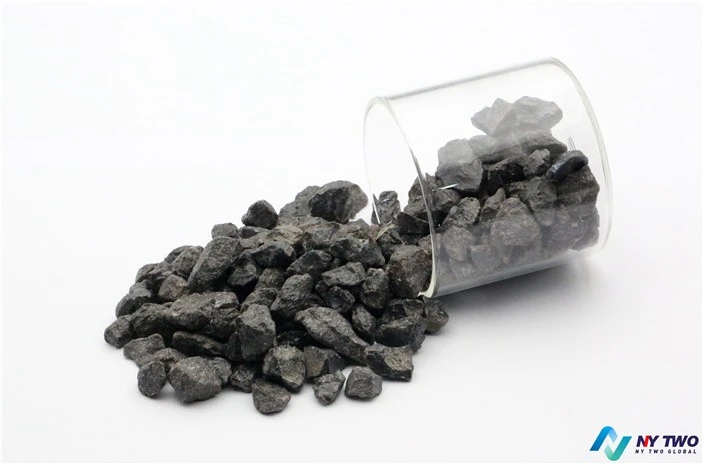
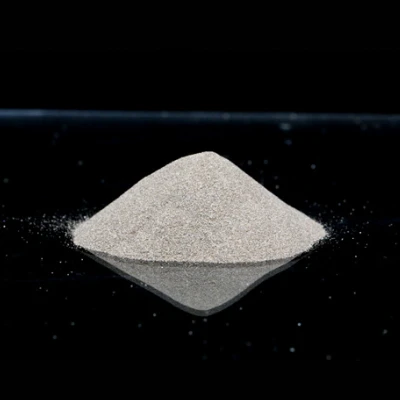
White fused alumina is a high - quality abrasive material that's widely used in various industries, and the ceramic industry is no exception. As a supplier of white fused alumina, I've seen firsthand how this material can bring a lot to the table in ceramic manufacturing. In this blog, I'll share some of the key uses of white fused alumina in the ceramic industry.
1. Glaze Additive
One of the primary uses of white fused alumina in the ceramic industry is as a glaze additive. Glazes are used to give ceramics a smooth, shiny, and protective surface. By adding white fused alumina to the glaze mixture, ceramic manufacturers can enhance several properties of the glaze.
White fused alumina has a high hardness, which means it can increase the abrasion resistance of the glaze. This is particularly important for ceramic products that will be subject to a lot of wear and tear, like floor tiles or kitchenware. When the glaze contains white fused alumina, it can better withstand scratches and scuffs, keeping the ceramic looking new for longer.
Moreover, white fused alumina can improve the chemical resistance of the glaze. It can help protect the ceramic from the effects of acids, alkalis, and other chemicals. This is crucial for ceramic products used in industrial settings or in environments where they may come into contact with corrosive substances. For example, in chemical laboratories, ceramic containers with a glaze containing white fused alumina can better resist chemical attacks. You can learn more about high - quality white fused alumina products like White Fused Alumina Tw.
2. Body Reinforcement
In addition to being used in glazes, white fused alumina can also be added to the ceramic body. The ceramic body is the main structure of the ceramic product. By incorporating white fused alumina into the body material, manufacturers can strengthen the ceramic.
The high strength and hardness of white fused alumina help to improve the mechanical properties of the ceramic. It can increase the compressive strength and flexural strength of the ceramic, making it less likely to break or crack under stress. This is especially useful for large - scale ceramic products or those that need to support heavy loads, such as architectural ceramics used in building facades or structural elements.
White fused alumina can also enhance the thermal shock resistance of the ceramic body. When a ceramic is exposed to rapid temperature changes, it can experience thermal stress, which may lead to cracking. The presence of white fused alumina in the body can help the ceramic better withstand these temperature fluctuations. This is beneficial for ceramic products used in high - temperature applications, like kiln furniture or heat exchangers.
3. Abrasive for Ceramic Shaping
During the manufacturing process of ceramics, shaping is an important step. White fused alumina is an excellent abrasive material for ceramic shaping operations. Its high hardness and sharp edges make it ideal for grinding, polishing, and cutting ceramics.
In grinding operations, white fused alumina can be used to remove excess material from the ceramic surface, achieving the desired shape and smoothness. It can be used in grinding wheels or abrasive belts. For example, when making ceramic sculptures or precision - shaped ceramic parts, white fused alumina abrasives can help achieve fine details and accurate dimensions.
Polishing with white fused alumina can give the ceramic a high - gloss finish. After grinding, the ceramic surface may still have some roughness. By using white fused alumina in the polishing process, the surface can be made smooth and shiny. This is important for decorative ceramics or those that require an aesthetically pleasing appearance.
Cutting ceramics is also made easier with white fused alumina. It can be used in cutting tools to precisely cut ceramics into the required sizes and shapes. Whether it's cutting ceramic tiles for flooring or slicing ceramic tubes for industrial use, white fused alumina - based cutting tools can provide clean and accurate cuts.
4. Refractory Applications
The ceramic industry often involves high - temperature processes, and white fused alumina is well - suited for refractory applications. Refractories are materials that can withstand high temperatures without melting or deforming.
White fused alumina has a high melting point and excellent thermal stability. It can be used to make refractory bricks, crucibles, and other refractory components. In ceramic kilns, refractory bricks made with white fused alumina can line the interior of the kiln, protecting it from the high - temperature environment. These bricks can withstand the heat generated during the firing process and help maintain a stable temperature inside the kiln.
Crucibles made from white fused alumina are used to melt and hold molten materials during the ceramic manufacturing process. They can resist the corrosive effects of the molten substances and the high temperatures involved, ensuring the quality of the ceramic production. If you're interested in related abrasive products, check out Black Silicon Carbide Powder Factory for other options.
5. Surface Coating
White fused alumina can be used to create surface coatings on ceramics. These coatings can provide additional protection and functionality to the ceramic products.
A surface coating made with white fused alumina can improve the anti - slip properties of ceramics. This is very useful for ceramic tiles used in areas where slip resistance is important, such as bathrooms, kitchens, or outdoor walkways. The rough texture created by the white fused alumina particles on the surface of the coating can increase friction, reducing the risk of slips and falls.
The coating can also enhance the aesthetic appeal of the ceramic. By controlling the size and distribution of the white fused alumina particles in the coating, different visual effects can be achieved. For example, a coating with larger particles may give a more textured and rustic look, while a coating with finer particles can provide a smoother and more refined appearance.
6. Catalyst Support
In some advanced ceramic applications, white fused alumina can serve as a catalyst support. Catalysts are substances that speed up chemical reactions without being consumed in the process.
The high surface area and chemical stability of white fused alumina make it an ideal support material for catalysts. It can provide a large surface for the catalyst to be dispersed on, increasing the contact area between the catalyst and the reactants. This improves the efficiency of the catalytic reaction.
In the ceramic industry, catalytic reactions may be involved in processes such as the decomposition of pollutants during the firing of ceramics or the synthesis of new ceramic materials. Using white fused alumina as a catalyst support can help optimize these processes and improve the overall quality of the ceramic products. You can also explore Heated & Ceramic Coated Brown Fused Alumina Oxide for other related products.
As a white fused alumina supplier, I understand the importance of providing high - quality products to meet the diverse needs of the ceramic industry. Whether you're looking for materials to improve glaze properties, strengthen the ceramic body, or for abrasive and refractory applications, I can offer the right white fused alumina solutions. If you're interested in purchasing white fused alumina for your ceramic manufacturing processes, feel free to contact me for more information and to start a procurement negotiation.
References
- "Ceramic Materials Science and Engineering" by J. Reed
- "Abrasive Technology Handbook" by various authors
- Industry reports on ceramic manufacturing and material applications