
Analysis of the function of refractory raw materials: the key factor to ensure high temperature process
As a special material, refractory is widely used in metallurgy, building materials, chemical industry and other high temperature processes. The performance and quality of refractory materials are closely related to their raw materials. This paper will analyze the role of refractory raw materials, including providing high temperature resistance, enhancing the structural strength of refractory materials and affecting the wear resistance of refractory materials.
1. Provide high temperature resistance to ensure process stability
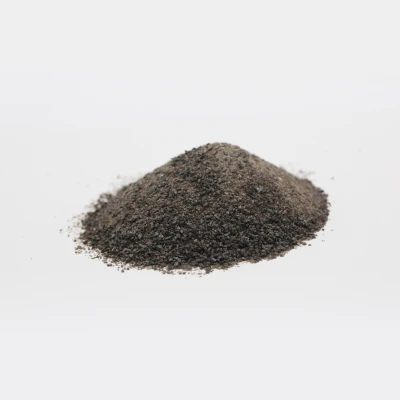
One of the main roles of refractories is to provide high temperature resistance and to maintain structural stability in high temperature environments. The main components of refractory raw materials, such as alumina, magnesium oxide, calcium oxide, etc., have high melting point and thermal stability, and can resist thermal expansion and thermal shock at high temperatures. These raw materials are combined with other auxiliary materials to form refractory materials with high temperature resistance, ensuring the stability of the high temperature process.
Click here to view the picture in the new window
Second, enhance the structural strength of refractory materials, extend the service life
The ingredients such as adhesives and reinforcers in refractory raw materials can enhance the structural strength of refractory materials and improve its mechanical properties such as compression, bending and tensile resistance. Adhesives can bond refractory raw materials together to form an overall structure and increase the strength and stability of the material. The reinforcing agent can fill the micropores and defects of the material and improve the compactness and wear resistance of the material. The action of these raw materials makes the refractory have higher structural strength and prolongs the service life.
Third, affect the wear resistance of refractory materials, improve the use effect
Refractory materials are often subjected to wear and erosion in high temperature processes, so the selection and ratio of refractory raw materials has an important impact on its wear resistance. Factors such as particle shape, hardness and particle size distribution in raw materials determine the wear resistance of refractory materials. Reasonable selection of raw materials and control of raw material ratio can improve the wear resistance of refractory materials, reduce wear and erosion, and improve the use effect.
Fourth, affect the thermal conductivity of refractory materials, optimize the process efficiency
The thermal conductivity of refractory raw materials has an important effect on the efficiency and energy consumption of high temperature processes. The thermal conductivity medium and thermal conductivity filler in the raw material can improve the thermal conductivity of the refractory and improve the heat conduction efficiency. Optimizing the thermal conductivity of refractory can speed up the heat transfer rate, improve the process efficiency and reduce energy consumption.
Refractory raw materials play an important role in high temperature resistance, structural strength, wear resistance and thermal conductivity. Through reasonable selection of raw materials and optimization of the ratio, it can provide high temperature resistance, enhance the structural strength of refractories, improve the wear resistance of refractories and optimize the process efficiency. In the future development, the research and application of refractory raw materials will continue to promote the progress of refractory technology to meet the changing needs of high temperature processes.