
Black Silicon Carbide Production And Processing And Application Fields
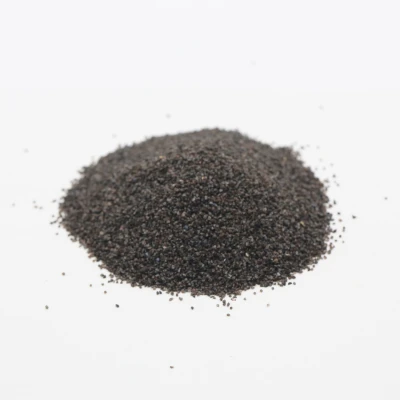
Black silicon carbide (SiC) is made of quartz sand, petroleum coke (or coal coke), wood chips as raw materials by high temperature smelting resistance furnace. Black silicon carbide contains about 98.5% SiC, and its toughness is higher than green silicon carbide. It is mostly used for processing materials with low tensile strength, such as glass, ceramics, stone, refractory materials, cast iron and non-ferrous metals. Black silicon carbide due to stable chemical properties, high thermal conductivity, small thermal expansion coefficient, good wear resistance, in addition to abrasive, there are many other uses, such as: with a special process to the silicon carbide powder coated on the inner wall of the turbine impeller or cylinder body, can improve its wear resistance and extend the service life 1 ~ 2 times; Used to make high-grade refractory material, heat resistance, small size, light weight and high strength, good energy saving effect. Low-grade silicon carbide (containing about 85% SiC) is an excellent deoxidizer, which can speed up steelmaking, facilitate control of chemical composition, and improve the quality of steel. In addition, silicon carbide is also widely used in the production of electric heating element silicon carbon rod.
Black silicon carbide hardness is very large, has excellent thermal conductivity, based on the above characteristics of silicon carbide abrasive is also an ideal product for advanced sandblasting, grinding, polishing industry.
Black silicon carbide, green silicon carbide production of raw materials and processing methods:
Black silicon carbide is quartz sand, petroleum coke and high-quality silica as the main raw materials, through the resistance furnace high temperature smelting. Its hardness is between corundum and diamond, mechanical strength is higher than corundum, brittle and sharp.
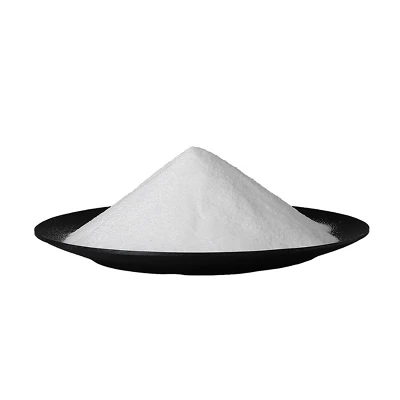
Green silicon carbide is made of petroleum coke and high quality silica as the main raw materials, adding salt as an additive, by high temperature smelting resistance furnace. Its hardness is between corundum and diamond, and its mechanical strength is higher than corundum.
Commonly used silicon carbide abrasives have two different crystals, one is green silicon carbide, containing more than 97% SiC, mainly used for grinding hard gold-bearing tools. The other is black silicon carbide, metallic luster, containing more than 95% SiC, strength is larger than green silicon carbide, but the hardness is lower, mainly used for grinding cast iron and non-metallic materials.
Silicon carbide molecular formula is SiC, its hardness is between corundum and diamond, mechanical strength is higher than corundum, can be used as abrasive and some other industrial materials. Industrial silicon carbide was successfully developed in 1891 and is the earliest artificial abrasive. Although a small amount of silicon carbide exists in meteorites and the crust, no mineral source has been found for mining so far. Pure silicon carbide is a colorless transparent crystal. Industrial silicon carbide is light yellow, green, blue and even black because of the type and content of impurities contained, and the transparency varies with its purity. The silicon carbide crystal structure is divided into hexagonal or rhombohedral α-SiC and cubic β-SiC(called cubic silicon carbide). α-SiC forms many different variants due to the different stacking sequences of carbon and silicon atoms in its crystal structure, and more than 70 varieties have been found. β-SiC transforms into α-SiC at 2100℃ or above.
JIYGO REFRACTORY & ABRASIVE LIMITED