

Are there any certifications for the alloy I can buy?
When venturing into the world of alloy procurement, one of the most pressing questions that often comes to mind is, "Are there any certifications for the alloy I can buy?" As a dedicated alloy supplier, I'm here to shed light on this crucial topic and guide you through the maze of alloy certifications.
The Importance of Alloy Certifications
Certifications for alloys are not just pieces of paper; they are a testament to the quality, safety, and compliance of the alloy products. In industries such as aerospace, automotive, and medical, where the performance and reliability of alloys are paramount, certifications play a vital role.
For instance, in the aerospace industry, aircraft components made from alloys must meet strict standards to ensure the safety of passengers and crew. Certifications such as ASTM (American Society for Testing and Materials) and SAE (Society of Automotive Engineers) standards are widely recognized and required for alloy materials used in aerospace applications. These standards define the chemical composition, mechanical properties, and manufacturing processes of alloys, ensuring that they can withstand the extreme conditions of flight.
In the automotive industry, alloys are used in various components, from engine parts to body frames. Certifications help automakers ensure that the alloys they use meet the required strength, durability, and corrosion resistance standards. This not only improves the performance and safety of vehicles but also helps in reducing maintenance costs and environmental impact.
Medical applications also rely heavily on certified alloys. For example, titanium alloys are commonly used in medical implants due to their biocompatibility and corrosion resistance. Certifications such as ISO 13485 (Medical devices - Quality management systems) ensure that the alloys used in medical devices meet the strict regulatory requirements for safety and quality.
Types of Alloy Certifications
There are several types of certifications available for alloys, each addressing different aspects of quality and performance. Here are some of the most common ones:
Chemical Composition Certifications
These certifications verify that the alloy meets the specified chemical composition requirements. They are important because the chemical composition of an alloy significantly affects its properties, such as strength, hardness, and corrosion resistance. For example, a certification for a magnesium alloy might confirm that it contains the right amount of magnesium, as well as other alloying elements like aluminum, zinc, or manganese.
Mechanical Properties Certifications
Mechanical properties certifications test and verify the physical properties of an alloy, such as tensile strength, yield strength, and elongation. These properties are crucial for determining the suitability of an alloy for a particular application. For instance, in a high - stress application, an alloy with high tensile strength would be required.
Manufacturing Process Certifications
These certifications focus on the processes used to manufacture the alloy, such as casting, forging, or rolling. They ensure that the manufacturing processes are carried out in a controlled and consistent manner, resulting in high - quality alloy products. For example, a certification might confirm that an alloy has been forged at the correct temperature and pressure to achieve the desired grain structure.
Industry - Specific Certifications
Many industries have their own specific certifications for alloys. For example, the nuclear industry has strict certifications for alloys used in nuclear reactors to ensure safety and reliability. The oil and gas industry also has certifications for alloys used in offshore platforms and pipelines to withstand harsh environmental conditions.
Certifications for Magnesium Alloys
As a supplier, we offer a range of magnesium alloys, and they come with relevant certifications. Magnesium alloys are known for their low density, high strength - to - weight ratio, and good corrosion resistance, making them popular in various industries.
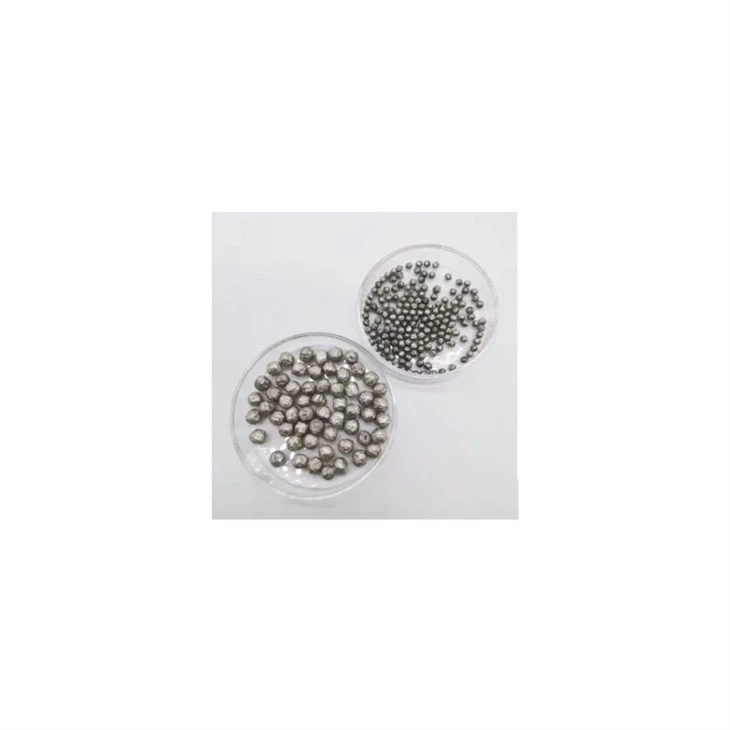
Our Magnesium Chips, Grade: Nanoshel and Magnesium Metal Powder (20 Mesh), 99.8% are certified to meet the highest quality standards. These certifications guarantee that the chemical composition of the magnesium meets the required specifications, and the mechanical properties are suitable for a wide range of applications.
If you want to know more about the properties of magnesium, you can refer to our detailed guide on Properties Of Magnesium. This page provides in - depth information about the physical and chemical properties of magnesium, which can help you understand why the certifications are so important.
How We Ensure Certification Compliance
As a responsible alloy supplier, we have a rigorous quality control process in place to ensure that all our alloy products are certified. We work closely with accredited testing laboratories to conduct various tests on our alloys. These tests include chemical analysis, mechanical testing, and microstructure examination.
We also maintain detailed records of all our manufacturing processes and test results. This allows us to provide our customers with full traceability of the alloy products they purchase. In addition, we regularly review and update our quality control processes to comply with the latest industry standards and regulations.
Choosing the Right Certified Alloy
When choosing an alloy for your specific application, it's important to consider the following factors:
Application Requirements
Understand the specific requirements of your application, such as the load it will bear, the environmental conditions it will be exposed to, and the expected lifespan. This will help you determine the appropriate alloy and the necessary certifications.
Certification Standards
Familiarize yourself with the relevant certification standards for your industry. Different industries may have different requirements, so it's crucial to choose an alloy that meets the specific standards of your application.
Supplier Reputation
Choose a reputable alloy supplier who has a proven track record of providing certified alloy products. A reliable supplier will not only offer high - quality alloys but also provide excellent customer service and technical support.
Conclusion
In conclusion, certifications for alloys are essential for ensuring the quality, safety, and compliance of alloy products. As a Buy Alloy supplier, we are committed to providing our customers with certified alloy products that meet the highest standards. Whether you are in the aerospace, automotive, medical, or any other industry, we have the right alloy for your needs.
If you have any questions about alloy certifications or need to purchase our certified alloy products, please feel free to contact us. We are more than happy to assist you with your procurement needs and provide you with detailed information about our products.

References
- ASTM International. Standards for Metals and Alloys.
- Society of Automotive Engineers (SAE). Aerospace and Automotive Material Standards.
- International Organization for Standardization (ISO). Quality Management and Medical Device Standards.