

Can abrasives be sharpened?
Can abrasives be sharpened? That's a question I've been asked a bunch of times as an abrasives supplier. You know, abrasives are super important in tons of industries, from manufacturing to construction. They're used for grinding, sanding, polishing, and all sorts of other tasks. But the idea of sharpening abrasives might seem a bit odd at first, right? Let's dig into this topic and see what's what.
First off, let's understand what abrasives are. Abrasives are materials with hard, rough particles that can wear down other materials. There are natural abrasives like garnet Garnet, which comes from minerals in the earth, and synthetic abrasives such as brown fused alumina powder Brown Fused Alumina Powder and electric melt mullite Electric Melt Mullite. These materials are used in different forms, like abrasive wheels, sandpaper, and grinding stones.
Now, when we talk about sharpening, we usually think of making the edge of a tool sharper. For example, when you sharpen a knife, you're removing a bit of material to create a new, sharp edge. But abrasives work differently. Their "sharpness" comes from the hardness and shape of their individual particles. As these particles wear down during use, the abrasive loses its cutting ability.
So, can we actually sharpen abrasives? Well, it depends on the type of abrasive and how it's used. In some cases, you can't really "sharpen" an abrasive in the traditional sense. For instance, sandpaper is made up of abrasive particles glued to a paper backing. Once the particles wear down, there's not much you can do to make them sharp again. You usually just replace the sandpaper with a new one.
But for some other types of abrasives, there are ways to rejuvenate them. Take abrasive wheels, for example. These are often used in industrial grinding machines. Over time, the surface of the wheel gets clogged with the material it's grinding and the abrasive particles wear down. To "sharpen" an abrasive wheel, you can dress it. Dressing is a process where you use a special tool to remove the clogged material and expose fresh, sharp abrasive particles on the surface of the wheel. This restores the wheel's cutting ability and makes it work like new again.
Another way to think about it is in terms of the shape of the abrasive particles. Some abrasives are designed to break down in a specific way during use. When the outer layer of the particle wears off, it reveals a new, sharp surface. This self - sharpening property is built into the design of the abrasive. For example, certain types of ceramic abrasives are known for their self - sharpening ability. As they grind, the particles fracture in a way that creates new cutting edges, maintaining their sharpness for longer periods.
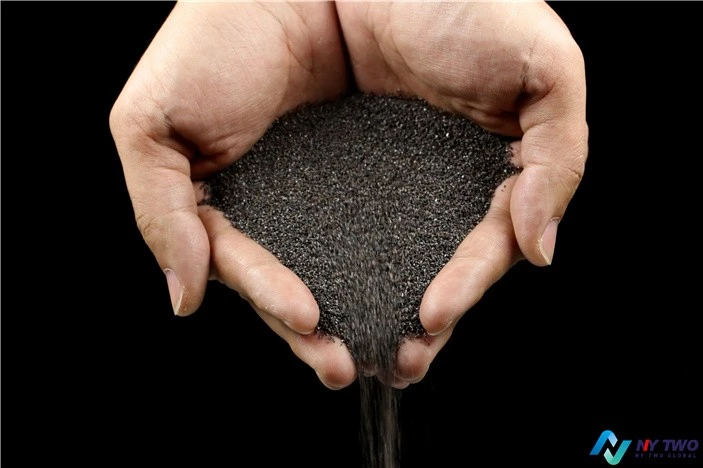
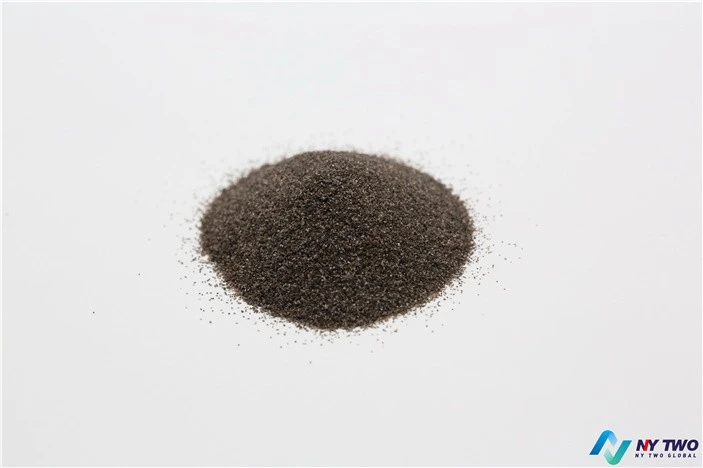
Let's take a closer look at some of the abrasives I mentioned earlier. Brown fused alumina powder is a very common synthetic abrasive. It's hard and tough, making it great for heavy - duty grinding applications. When it's used in an abrasive wheel, dressing the wheel can help keep it in good working condition. The high hardness of the brown fused alumina particles means they can withstand a lot of wear, but over time, dressing is still necessary to expose new cutting edges.
Electric melt mullite is another interesting abrasive. It has good thermal stability and abrasion resistance. In some applications, like high - temperature grinding, it can maintain its performance for a long time. But just like other abrasives, it will eventually wear down. And again, depending on how it's used (for example, in a grinding wheel), dressing can be used to improve its cutting ability.
Garnet, a natural abrasive, is often used in sandblasting and waterjet cutting. In these applications, the garnet particles are used once and then discarded. Since they're small and used in a one - time - use process, there's no real way to sharpen them. But garnet's natural hardness and angular shape make it a very effective abrasive right from the start.
In the manufacturing industry, the ability to keep abrasives in good working condition is crucial. It can save a lot of money and time. Instead of constantly replacing abrasives, being able to rejuvenate them through processes like dressing can extend their lifespan. This is especially important for large - scale operations where the cost of replacing abrasives can add up quickly.
However, it's not always easy to know when an abrasive needs to be "sharpened" or rejuvenated. You need to pay attention to the performance of the abrasive. If you notice that the grinding process is taking longer, the surface finish is getting worse, or the machine is using more power, these could be signs that the abrasive is losing its cutting ability.
In conclusion, while we can't always sharpen abrasives in the same way we sharpen a knife, there are ways to maintain and improve their performance. Whether it's through dressing an abrasive wheel or using self - sharpening abrasives, there are strategies to keep abrasives working effectively.
If you're in an industry that uses abrasives and you're looking for high - quality abrasives or need advice on how to maintain them, we're here to help. We're a leading abrasives supplier, and we have a wide range of products, including Brown Fused Alumina Powder, Electric Melt Mullite, and Garnet. Contact us to start a conversation about your abrasive needs. We can provide you with the right products and solutions to make your operations more efficient.
References
- "Handbook of Abrasive Technology" by Patrick C. Canfield
- "Abrasive Materials and Processes" published by the Society of Manufacturing Engineers