

Can Brown Aluminum Oxide be recycled?
As a supplier of Brown Aluminum Oxide, I often encounter inquiries about its recyclability. Brown Aluminum Oxide, also known as Brown Fused Aluminum Oxide, is a widely used abrasive and refractory material. In this blog post, I'll explore the question of whether Brown Aluminum Oxide can be recycled, delving into the science behind it, the recycling processes, and the benefits of recycling this valuable material.
What is Brown Aluminum Oxide?
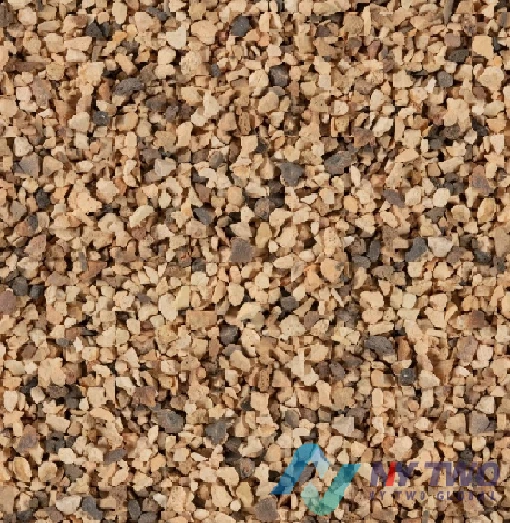
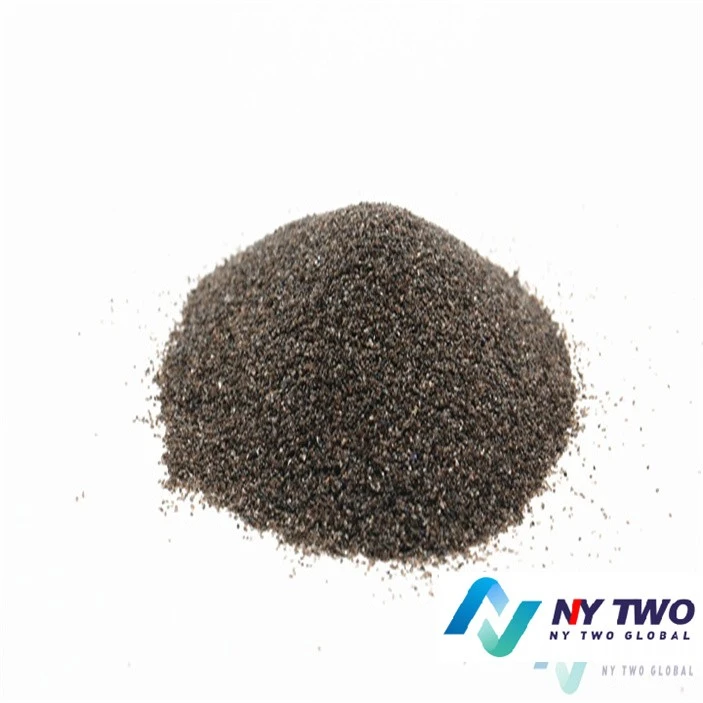
Brown Aluminum Oxide is produced by fusing high - grade bauxite in an electric arc furnace at extremely high temperatures. This process results in a hard, tough, and sharp material with excellent abrasion resistance. Brown Fused Aluminum Oxide. It is commonly used in various industries such as abrasives, refractories, ceramics, and foundries.
In the abrasives industry, Brown Aluminum Oxide is used for grinding, sandblasting, and polishing applications. Its sharp edges and high hardness make it effective in removing material quickly and efficiently. In the refractory industry, it is valued for its high melting point and chemical stability, which allow it to withstand harsh environments and high temperatures.
The Science of Recycling Brown Aluminum Oxide
Recycling Brown Aluminum Oxide is based on the principle of separating it from contaminants and restoring its useful properties. When Brown Aluminum Oxide is used in applications like sandblasting, it can become contaminated with debris, dust, and other particles. However, through proper recycling processes, these contaminants can be removed, and the aluminum oxide can be reused.
The key to recycling Brown Aluminum Oxide lies in its physical and chemical properties. Aluminum oxide is a stable compound, and its structure remains relatively unchanged during normal use. This means that once the contaminants are removed, the recycled Brown Aluminum Oxide can have similar performance characteristics to the virgin material.
Recycling Processes
There are several methods for recycling Brown Aluminum Oxide, and the choice of method depends on the nature and degree of contamination.
Screening and Classification
The first step in many recycling processes is screening and classification. This involves passing the used Brown Aluminum Oxide through a series of screens to separate particles of different sizes. Larger contaminants and oversized particles can be removed at this stage. By classifying the particles based on size, it becomes easier to further process the material.
Cleaning and Washing
After screening, the Brown Aluminum Oxide is often subjected to cleaning and washing. This can involve using water or chemical solutions to remove dust, grease, and other surface contaminants. The cleaning process helps to restore the surface properties of the aluminum oxide particles, making them more suitable for reuse.
Thermal Treatment
In some cases, thermal treatment may be used to remove organic contaminants and improve the quality of the recycled Brown Aluminum Oxide. Heating the material to high temperatures can burn off any organic matter, leaving behind a cleaner and more pure form of aluminum oxide. However, thermal treatment must be carefully controlled to avoid altering the physical properties of the material.
Benefits of Recycling Brown Aluminum Oxide
Recycling Brown Aluminum Oxide offers several significant benefits, both for the environment and for businesses.
Environmental Benefits
One of the primary environmental benefits of recycling Brown Aluminum Oxide is the conservation of natural resources. Producing virgin Brown Aluminum Oxide requires large amounts of bauxite, a non - renewable resource. By recycling, we can reduce the demand for new bauxite mining, which helps to preserve natural habitats and reduce the environmental impact of mining activities.
In addition, recycling reduces waste generation. Instead of sending used Brown Aluminum Oxide to landfills, where it can take up space and potentially leach harmful substances, recycling allows it to be reused in new applications. This helps to minimize the environmental footprint associated with the disposal of industrial waste.
Economic Benefits
For businesses, recycling Brown Aluminum Oxide can also be economically advantageous. Recycling can be a cost - effective alternative to purchasing virgin material. The cost of recycling is often lower than the cost of producing new Brown Aluminum Oxide, especially when considering the savings in raw material costs and energy consumption.
Moreover, recycling can create new business opportunities. Companies that specialize in recycling Brown Aluminum Oxide can provide a valuable service to industries that use this material. By offering recycled Brown Aluminum Oxide at a competitive price, these companies can help their customers reduce costs while also promoting sustainable practices.
Applications of Recycled Brown Aluminum Oxide
Recycled Brown Aluminum Oxide can be used in a wide range of applications, similar to the virgin material.
In the abrasives industry, recycled Brown Aluminum Oxide can be used for grinding and sanding operations. Its hardness and abrasion resistance make it suitable for removing material from metal, wood, and other surfaces.
In the refractory industry, BFA is ideal for the refractory and ceramic industries and the recycled Brown Aluminum Oxide can be used to manufacture refractory bricks, linings, and other products. Its high melting point and chemical stability ensure that it can withstand the high temperatures and harsh conditions in furnaces and kilns.
The Role of Suppliers in Recycling
As a supplier of Brown Aluminum Oxide, I play an important role in promoting recycling. I can educate my customers about the benefits of recycling and provide them with information on the recycling processes available. Additionally, I can work with recycling companies to ensure that the used Brown Aluminum Oxide from my customers is properly recycled.
I also have the opportunity to offer recycled Brown Aluminum Oxide as an option to my customers. By providing high - quality recycled products, I can help my customers meet their sustainability goals while also reducing their costs.
Challenges in Recycling Brown Aluminum Oxide
While recycling Brown Aluminum Oxide has many benefits, there are also some challenges that need to be addressed.
One of the main challenges is the cost of recycling. The equipment and processes required for recycling can be expensive, especially for small - scale operations. This can make it difficult for some recycling companies to offer competitive prices for recycled Brown Aluminum Oxide.
Another challenge is the variability in the quality of the recycled material. Depending on the source and the recycling process, the recycled Brown Aluminum Oxide may have slightly different properties compared to the virgin material. This can make it challenging to ensure consistent performance in applications.
Conclusion
In conclusion, Brown Aluminum Oxide can be recycled, and recycling offers significant environmental and economic benefits. Through proper recycling processes, the used Brown Aluminum Oxide can be separated from contaminants and restored to a usable state. The recycled material can be used in a variety of applications, similar to the virgin material.
As a supplier, I am committed to promoting the recycling of Brown Aluminum Oxide. I believe that by working together with my customers and recycling partners, we can contribute to a more sustainable future. If you are interested in purchasing Brown Aluminum Oxide, whether virgin or recycled, please feel free to contact me for more information and to discuss your specific needs. We can explore the best options for your application and help you make an informed decision.
References
- "Aluminum Oxide: Properties, Production, and Applications" - A technical publication on the properties and uses of aluminum oxide.
- Industry reports on the recycling of abrasive materials, which provide insights into the current state of Brown Aluminum Oxide recycling.
- Research papers on the environmental and economic impacts of recycling industrial materials, including Brown Aluminum Oxide.