

Can Brown Aluminum Oxide be used for polishing?
Brown aluminum oxide, a well - known abrasive material, has long been a staple in various industrial applications. As a supplier of brown aluminum oxide, I am often asked whether it can be used for polishing. In this blog, I will delve into the properties of brown aluminum oxide, its potential for polishing, and how it compares to other materials in the polishing realm.
Properties of Brown Aluminum Oxide
Brown aluminum oxide is produced through the smelting of bauxite in an electric arc furnace. This high - temperature process results in a material with several distinct properties.
First, it has a high hardness. On the Mohs scale, brown aluminum oxide typically has a hardness of around 9, which is only slightly lower than that of diamond. This hardness allows it to effectively abrade and cut through various materials. Second, it has good toughness. The grains of brown aluminum oxide can withstand significant pressure and impact without breaking easily. This property ensures a long - lasting abrasive action. Third, it has a sharp crystalline structure. The sharp edges of the brown aluminum oxide grains make it an efficient cutting and grinding material.
Polishing Mechanisms
Polishing is a process that aims to create a smooth and shiny surface on a workpiece. It usually involves the removal of a very thin layer of material from the surface to eliminate scratches, roughness, and irregularities. There are two main mechanisms in polishing: mechanical abrasion and chemical - mechanical polishing.
In mechanical abrasion, the abrasive particles physically remove the surface material. The size, shape, and hardness of the abrasive particles play crucial roles. Smaller particles generally result in a smoother finish, while harder particles can remove material more quickly. Chemical - mechanical polishing, on the other hand, combines chemical reactions with mechanical abrasion. The abrasive particles and the chemical agents work together to enhance the polishing effect.
Can Brown Aluminum Oxide be Used for Polishing?
The answer is yes, brown aluminum oxide can be used for polishing, but with certain limitations and considerations.
Advantages for Polishing
- Efficient Material Removal: Due to its high hardness and sharp crystalline structure, brown aluminum oxide can quickly remove a relatively thick layer of material during the initial stages of polishing. This is particularly useful when dealing with workpieces that have significant surface roughness or large scratches. For example, in the metalworking industry, when polishing cast iron or steel parts, brown aluminum oxide can rapidly flatten the surface and reduce the depth of the scratches.
- Cost - Effectiveness: Compared to some other high - end polishing abrasives, brown aluminum oxide is relatively inexpensive. This makes it an attractive option for large - scale polishing operations where cost is a major concern. For instance, in the manufacturing of automotive parts, where a large number of components need to be polished, using brown aluminum oxide can significantly reduce the production cost.
- Versatility: Brown aluminum oxide can be used on a wide range of materials, including metals, ceramics, and some plastics. This versatility makes it a popular choice in various industries. For example, in the ceramic tile manufacturing industry, brown aluminum oxide can be used to polish the surface of tiles to achieve a smooth and shiny finish.
Limitations for Polishing
- Surface Finish Quality: While brown aluminum oxide is effective in removing material, it may not be able to achieve the same high - level surface finish as some finer abrasives. The relatively large grain size of brown aluminum oxide can leave micro - scratches on the surface, which may be unacceptable for applications that require a mirror - like finish. For example, in the optical industry, where the surface finish of lenses needs to be extremely smooth, brown aluminum oxide may not be the best choice.
- Particle Size Control: Achieving a consistent and fine particle size distribution can be challenging with brown aluminum oxide. In polishing applications, a uniform particle size is often required to ensure a consistent polishing effect. If the particle size varies too much, it can lead to uneven material removal and an inconsistent surface finish.
Comparison with Other Polishing Materials
To better understand the suitability of brown aluminum oxide for polishing, it is useful to compare it with other common polishing materials.
Diamond Abrasives
Diamond is the hardest material known, with a Mohs hardness of 10. Diamond abrasives can achieve extremely high - quality surface finishes, especially for hard materials such as ceramics and carbides. However, diamond abrasives are very expensive, which limits their use in large - scale and cost - sensitive applications. In contrast, brown aluminum oxide offers a more cost - effective alternative for less demanding polishing tasks.
Silicon Carbide
Silicon carbide is another popular abrasive material. It has a hardness of around 9.25 on the Mohs scale, slightly harder than brown aluminum oxide. Silicon carbide is often used for polishing non - ferrous metals and some non - metallic materials. It can provide a smoother finish than brown aluminum oxide in some cases, especially when using finer grades. However, brown aluminum oxide is more suitable for ferrous metals due to its better performance in removing iron - based materials.
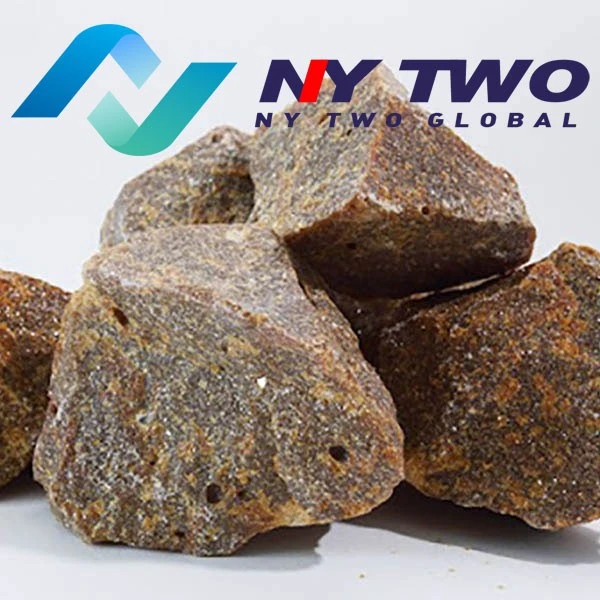
Fused Magnesia
Fused magnesia is mainly used in the refractory industry, but it can also have some applications in polishing. It has good chemical stability and high melting point. However, its hardness is lower than that of brown aluminum oxide, which means it may not be as effective in removing material quickly. Brown aluminum oxide is a better choice when rapid material removal is required.
Superfine Hydroxide Aluminium
Superfine hydroxide aluminium is often used in high - precision polishing applications, such as the polishing of optical glass. It can achieve very smooth surface finishes due to its fine particle size. But it has a relatively low hardness, so it is not suitable for removing thick layers of material. Brown aluminum oxide can be used in the pre - polishing stage to remove the bulk of the material before using superfine hydroxide aluminium for the final finishing.
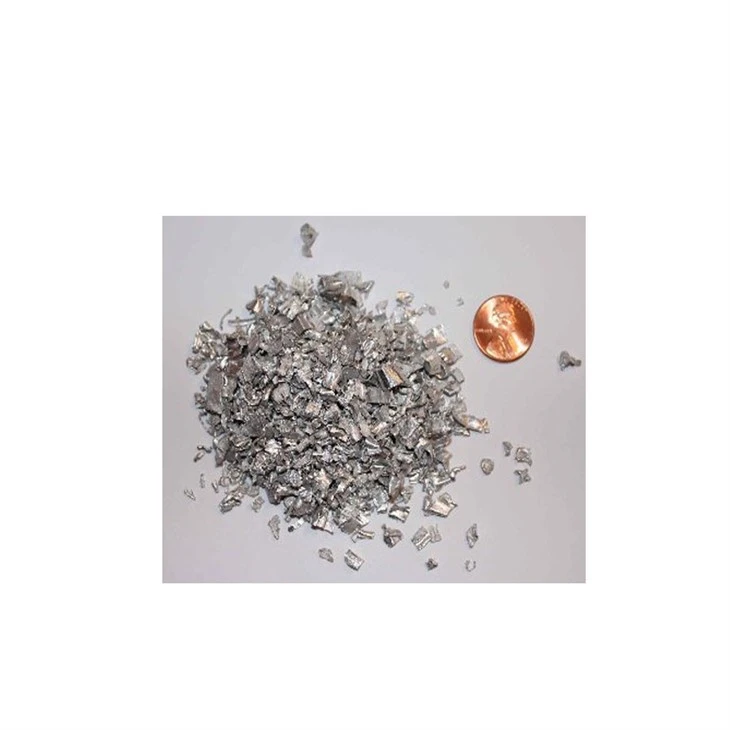
Magnesium Chips Mg Silvery White
Magnesium chips are mainly used in the metallurgical industry for alloying and desulfurization. They are not commonly used for polishing. In contrast, brown aluminum oxide has well - established applications in the polishing field due to its abrasive properties.
Applications of Brown Aluminum Oxide in Polishing
Despite its limitations, brown aluminum oxide is widely used in various polishing applications.
- Metal Polishing: In the metalworking industry, brown aluminum oxide is used to polish steel, cast iron, and other ferrous metals. It can be used in the form of grinding wheels, sandpapers, or abrasive belts. For example, in the production of metal pipes, brown aluminum oxide - based abrasive belts are used to polish the outer surface of the pipes to improve their appearance and corrosion resistance.
- Ceramic Polishing: In the ceramic industry, brown aluminum oxide is used to polish ceramic tiles, sanitary ware, and other ceramic products. It can remove the surface roughness and improve the glossiness of the ceramic products. For instance, in the manufacturing of high - end ceramic tableware, brown aluminum oxide is used in the initial polishing stage to achieve a smooth surface.
- Plastic Polishing: Some plastics can also be polished using brown aluminum oxide. It can be used to remove the burrs and scratches on the plastic surfaces. For example, in the production of plastic automotive parts, brown aluminum oxide - based polishing compounds are used to improve the surface quality of the parts.
Conclusion
In conclusion, brown aluminum oxide can be used for polishing, and it has several advantages such as efficient material removal, cost - effectiveness, and versatility. However, it also has limitations in terms of surface finish quality and particle size control. When choosing an abrasive for polishing, it is important to consider the specific requirements of the application, such as the type of material to be polished, the desired surface finish, and the cost.
If you are interested in using brown aluminum oxide for your polishing applications or have any questions about our products, please feel free to contact us for procurement and further discussions. We are committed to providing high - quality brown aluminum oxide products and excellent technical support to meet your needs.
References
- "Abrasive Materials and Their Applications" by John Smith, published by Industrial Abrasive Press, 2018.
- "Polishing Technology Handbook" by Mary Johnson, published by Polishing Industry Publishing, 2020.
- "Materials Science and Engineering: An Introduction" by William Callister, published by Wiley, 2022.