

Can brown aluminum oxide for refractory be used in the cement industry's refractories?
Can brown aluminum oxide for refractory be used in the cement industry's refractories?
As a supplier of brown aluminum oxide for refractory, I've often been asked whether our product can be effectively utilized in the cement industry's refractories. This question is not only relevant but also crucial for those involved in the cement manufacturing process, as the choice of refractory materials can significantly impact the efficiency, durability, and overall performance of cement kilns and related equipment.
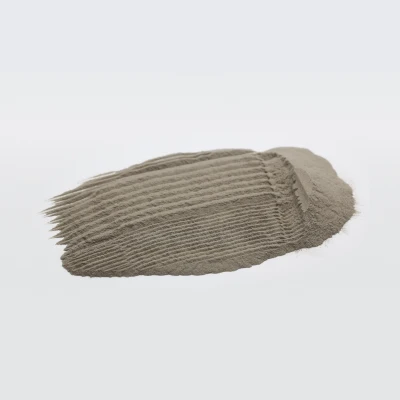
Brown aluminum oxide, also known as brown fused alumina, is a widely used abrasive and refractory material. It is produced by fusing bauxite, anthracite, and iron filings in an electric arc furnace at high temperatures. The resulting product is a tough, hard, and wear - resistant material with excellent thermal stability.
Characteristics of Brown Aluminum Oxide for Refractory
One of the key features of brown aluminum oxide is its high alumina content, typically ranging from 94% to 97%. This high alumina concentration gives it outstanding refractoriness, allowing it to withstand extremely high temperatures without significant deformation or melting. In addition, brown aluminum oxide has good chemical stability, which means it can resist the corrosive effects of various chemicals and gases commonly encountered in industrial processes.
Another important characteristic is its mechanical strength. Brown aluminum oxide particles are hard and dense, which makes them resistant to abrasion and erosion. This property is particularly valuable in applications where the refractory material is subjected to high - velocity gas flow, particle impact, or mechanical stress, such as in the cement industry.
Requirements of Cement Industry's Refractories
The cement industry has specific requirements for refractory materials. Cement kilns operate at very high temperatures, often exceeding 1400°C. The refractory lining of the kiln must be able to withstand these extreme temperatures without losing its structural integrity. Moreover, the cement manufacturing process involves the use of raw materials and fuels that can produce corrosive gases, such as sulfur dioxide and alkaline compounds. The refractory material must be able to resist the chemical attack from these substances to ensure a long service life.
In addition, the refractory lining in cement kilns is also subject to mechanical stress due to thermal expansion and contraction, as well as the movement of the kiln itself. Therefore, the refractory material needs to have good thermal shock resistance and mechanical strength to prevent cracking and spalling.
![[5000g] High-purity Magnesium Grains 99.95% 5mm Pellets Laundry Room](/uploads/202436359/high-purity-magnesium-grains-99-95-5mm-pelletde656f13-1b94-4937-8244-abf7a7af825c.jpg)
Suitability of Brown Aluminum Oxide for Cement Industry's Refractories
Based on its characteristics, brown aluminum oxide for refractory shows great potential for use in the cement industry. Its high refractoriness makes it capable of withstanding the high temperatures inside cement kilns. The chemical stability of brown aluminum oxide allows it to resist the corrosive gases produced during the cement manufacturing process. And its mechanical strength and abrasion resistance can help the refractory lining to endure the mechanical stress and particle impact in the kiln.
However, it's important to note that the direct use of brown aluminum oxide in cement industry refractories may not be straightforward. In most cases, brown aluminum oxide is used as a raw material in the production of refractory bricks, castables, and other refractory products. These products are then installed in the cement kiln to provide the necessary protection.
For example, brown aluminum oxide can be combined with other refractory raw materials, such as Fused Zirconia, to form high - performance refractory castables. Fused zirconia can improve the thermal shock resistance and corrosion resistance of the castable, while brown aluminum oxide contributes to its high temperature strength and abrasion resistance.
Case Studies and Applications
There have been numerous successful applications of brown aluminum oxide - based refractories in the cement industry. In some large - scale cement plants, refractory bricks containing brown aluminum oxide have been used in the transition zone and burning zone of the cement kiln. These bricks have shown excellent performance in terms of temperature resistance, chemical corrosion resistance, and mechanical durability.
In addition, brown aluminum oxide - based castables have been used for the repair and lining of pre - heaters and cyclones in cement plants. The high - strength and abrasion - resistant properties of these castables have effectively extended the service life of these components, reducing maintenance costs and downtime.
Comparison with Other Refractory Materials
When compared with other refractory materials commonly used in the cement industry, such as magnesia - based refractories and high - alumina refractories, brown aluminum oxide has its own advantages. Magnesia - based refractories, like [5000g] High - purity Magnesium Grains 99.95% 5mm Pellets Laundry Room [/refractory/high - purity - magnesium - grains - 99 - 95 - 5mm - pellet.html], are known for their high refractoriness and excellent resistance to alkaline slags. However, they are relatively expensive and may have poor thermal shock resistance.
High - alumina refractories, on the other hand, have good high - temperature properties but may lack the same level of abrasion resistance as brown aluminum oxide. Brown aluminum oxide offers a good balance between cost, performance, and availability, making it an attractive option for the cement industry.
Challenges and Considerations
Despite its many advantages, there are also some challenges and considerations when using brown aluminum oxide for cement industry's refractories. One of the main challenges is the proper selection of the grade and particle size of brown aluminum oxide. Different grades of brown aluminum oxide have different properties, and the particle size distribution can also affect the performance of the refractory product.
In addition, the manufacturing process of refractory products containing brown aluminum oxide needs to be carefully controlled to ensure the quality and consistency of the final product. Factors such as mixing, molding, and firing conditions can all have a significant impact on the performance of the refractory.
Conclusion
In conclusion, brown aluminum oxide for refractory can indeed be used in the cement industry's refractories. Its high refractoriness, chemical stability, mechanical strength, and abrasion resistance make it a suitable candidate for withstanding the harsh conditions in cement kilns and related equipment. By combining brown aluminum oxide with other refractory raw materials and using proper manufacturing processes, high - performance refractory products can be developed to meet the specific requirements of the cement industry.
If you are interested in using brown aluminum oxide for your cement industry's refractory applications, or if you have any questions about our products, please feel free to contact us for more information and to discuss potential procurement opportunities. As a professional Brown Fused Alumina Manufacturer, we are committed to providing high - quality brown aluminum oxide products and excellent technical support.
References
- "Refractories in the Cement Industry" - Journal of Industrial Ceramics
- "Properties and Applications of Brown Aluminum Oxide" - International Journal of Refractory Materials