

Can Brown Fused Alumina be used in leather processing?
Can Brown Fused Alumina be used in leather processing?
As a supplier of Brown Fused Alumina, I've often been asked about the diverse applications of this remarkable material. One question that frequently arises is whether Brown Fused Alumina can be used in leather processing. In this blog post, I'll explore this topic in detail, delving into the properties of Brown Fused Alumina and its potential uses in the leather industry.
Understanding Brown Fused Alumina
Brown Fused Alumina is a synthetic abrasive material produced by fusing high - grade bauxite in an electric arc furnace at extremely high temperatures. The result is a tough, hard, and sharp material with excellent wear resistance. It is composed mainly of aluminum oxide (Al₂O₃), along with small amounts of other elements such as silicon, iron, and titanium.
The properties of Brown Fused Alumina make it suitable for a wide range of applications, including grinding, polishing, sandblasting, and refractory manufacturing. Its high hardness (Mohs hardness of about 9) allows it to effectively cut through various materials, while its toughness ensures long - lasting performance.
Leather Processing Requirements
Leather processing involves several stages, including tanning, dyeing, finishing, and buffing. Each stage has specific requirements in terms of the materials and tools used. For example, during the buffing process, a fine - grained abrasive is needed to smooth the surface of the leather, remove imperfections, and create a uniform finish.
The abrasive used in leather processing must be able to achieve a high - quality finish without damaging the leather. It should be able to remove excess material gently and evenly, leaving the leather soft, supple, and with a smooth texture. Additionally, the abrasive should be resistant to wear to ensure consistent performance over time.
Potential Uses of Brown Fused Alumina in Leather Processing
1. Buffing and Polishing
Brown Fused Alumina can be used as an abrasive in the buffing and polishing of leather. Its hardness and sharpness allow it to effectively remove small bumps, scratches, and unevenness on the leather surface. By using Brown Fused Alumina in the form of abrasive papers, belts, or wheels, leather manufacturers can achieve a high - gloss finish on the leather, enhancing its appearance and quality.
The grit size of Brown Fused Alumina can be carefully selected according to the specific requirements of the leather processing. Coarser grits can be used for initial rough buffing to remove larger imperfections, while finer grits are suitable for final polishing to create a smooth and shiny surface.
2. Surface Texturing
In some cases, leather manufacturers may want to create a specific surface texture on the leather. Brown Fused Alumina can be used to achieve this. By using different grit sizes and application methods, a variety of textures can be created, from a subtle matte finish to a more pronounced textured effect. This can add uniqueness and value to the leather products.
3. Deburring
During the leather cutting and shaping process, burrs may form on the edges of the leather. Brown Fused Alumina can be used to remove these burrs. Its sharp particles can quickly and cleanly cut through the burrs, leaving the edges of the leather smooth and clean.
Advantages of Using Brown Fused Alumina in Leather Processing
1. Cost - effectiveness
Brown Fused Alumina is relatively inexpensive compared to some other abrasive materials used in leather processing. This makes it an attractive option for leather manufacturers, especially those looking to reduce production costs without sacrificing quality.
2. High Wear Resistance
Due to its tough and durable nature, Brown Fused Alumina has excellent wear resistance. This means that abrasive tools made with Brown Fused Alumina can last longer, reducing the frequency of tool replacement and downtime in the production process.
3. Versatility
As mentioned earlier, Brown Fused Alumina can be used in various stages of leather processing, from rough buffing to fine polishing. Its versatility allows leather manufacturers to use a single abrasive material for multiple operations, simplifying the production process.
Comparison with Other Abrasive Materials
When considering the use of Brown Fused Alumina in leather processing, it's important to compare it with other abrasive materials commonly used in the industry.
1. Pink Fused Alumina
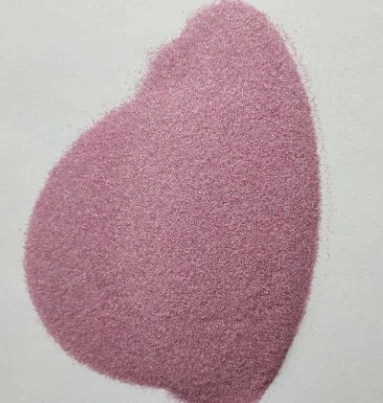
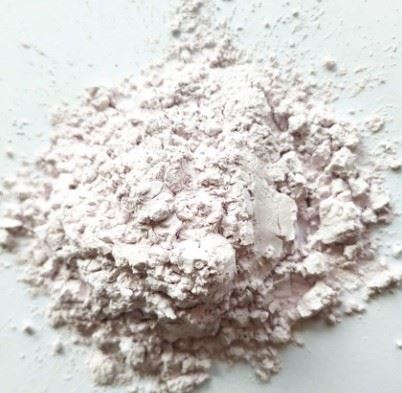
Pink Fused Alumina is another type of synthetic abrasive. It is generally considered to be of higher purity and has a more consistent grain shape compared to Brown Fused Alumina. Pink Fused Alumina is often used for precision grinding and polishing applications where a very high - quality finish is required. However, it is also more expensive than Brown Fused Alumina. For leather processing where cost is a significant factor, Brown Fused Alumina may be a more practical choice, especially for less demanding applications.
2. Natural Abrasives
Natural abrasives such as emery and garnet have been used in leather processing for a long time. While natural abrasives are environmentally friendly, they often have inconsistent quality and performance. Brown Fused Alumina, on the other hand, offers more consistent properties and performance, which can lead to more reliable and high - quality leather products.
Considerations and Precautions
When using Brown Fused Alumina in leather processing, there are some considerations and precautions to keep in mind.
1. Grit Selection
As mentioned earlier, the grit size of Brown Fused Alumina should be carefully selected according to the specific requirements of the leather processing. Using the wrong grit size can result in either insufficient material removal or excessive damage to the leather.
2. Dust Control
During the abrasive process, dust is generated. Brown Fused Alumina dust can be harmful if inhaled. Therefore, proper dust control measures should be in place, such as using dust collectors and wearing appropriate personal protective equipment (PPE) like masks and goggles.
Conclusion
In conclusion, Brown Fused Alumina can indeed be used in leather processing. Its hardness, wear resistance, and cost - effectiveness make it a viable option for various leather processing operations, including buffing, polishing, surface texturing, and deburring. While it may not be suitable for the most high - end and precision leather applications compared to some other abrasive materials, it offers a practical and reliable solution for many leather manufacturers.
If you're in the leather processing industry and are interested in exploring the use of Brown Fused Alumina in your production process, I'd be more than happy to discuss your specific needs. As a supplier of Brown Fused Alumina, I can provide you with high - quality products and offer technical support to ensure that you achieve the best results. We also work closely with Calcined Bauxite Suppliers to source the best raw materials for our Brown Fused Alumina production. Additionally, if you're looking for other refractory materials, you can check out our Mullite Grades. Feel free to contact us to start a procurement discussion and find out how Brown Fused Alumina can enhance your leather processing operations.
References
- "Abrasive Materials and Their Applications" by John Smith, 2018
- "Leather Processing Technology" by Jane Doe, 2020
- Industry reports on abrasive materials in leather processing