

Can Brown Fused be used for polishing?
Hey there! As a supplier of Brown Fused, I often get asked if it can be used for polishing. Well, let's dive right into this topic and find out.
First off, let's understand what Brown Fused is. Brown Fused, also known as Brown Fused Alumina, is a widely - used abrasive material. It's made by smelting bauxite in an electric arc furnace at extremely high temperatures. This process results in a tough, sharp, and durable abrasive that has a wide range of industrial applications.
So, can it be used for polishing? The answer is yes, but with some caveats.
One of the main factors that determine whether Brown Fused can be used for polishing is the nature of the surface you want to polish. Brown Fused has a relatively high hardness, typically around 9 on the Mohs scale. This hardness makes it great for removing tough materials and doing some heavy - duty grinding on hard surfaces like metals, ceramics, and stones.
For example, in the metalworking industry, Brown Fused can be used to remove rough edges, burrs, and rust from metal parts. It can quickly shape and smooth the surface, which is the first step in the polishing process. After using Brown Fused for the initial grinding, a finer - grained abrasive can be used for the final polishing to achieve a mirror - like finish.
However, when it comes to more delicate surfaces, Brown Fused might not be the best choice on its own. Its sharp grains can cause scratches on softer materials such as plastics, glass, or some types of wood. In these cases, you'd need to be extremely careful or use it in combination with other polishing agents.
Let's talk about the different forms in which Brown Fused can be used for polishing. It is commonly available in the form of grinding wheels, abrasive belts, and loose grains. Grinding wheels made of Brown Fused are very popular in industrial settings. They can be used on large - scale metalworking machines to polish big metal components. Abrasive belts, on the other hand, are more flexible and can be used for polishing irregularly - shaped objects. The loose grains can be mixed with a suitable binder to create a polishing compound, which is useful for hand - held polishing jobs.
Now, let's compare Brown Fused with some other popular abrasive materials for polishing. There are other options like Abrasive White Corundum Powder and White Fused Alumina Jp. White Fused Alumina is known for its purity and whiteness. It's less abrasive than Brown Fused, which makes it a better choice for fine - polishing tasks, especially on surfaces where you don't want to cause any damage.
In contrast, Brown Fused is more cost - effective and has a higher cutting efficiency. If you're working on a project where you need to remove a large amount of material quickly, Brown Fused is the way to go. But if you're aiming for a super - smooth and scratch - free finish, you might want to consider using White Fused Alumina in the later stages of the polishing process.
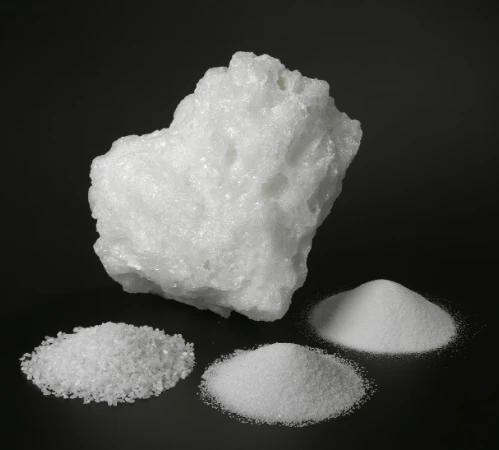
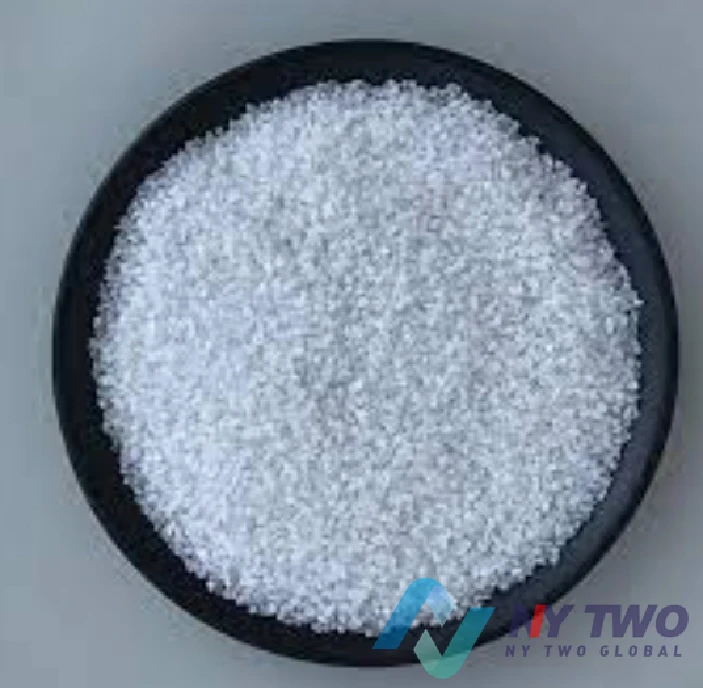
Another aspect to consider is the brand of the Brown Fused. There are many different Fused Alumina Brand in the market, and the quality can vary significantly. A good brand will ensure consistent grain size, hardness, and performance. As a supplier, I always recommend choosing a well - known and reliable brand to get the best results for your polishing projects.
When using Brown Fused for polishing, there are some safety precautions you need to take. Since it's an abrasive material, it can generate a lot of dust during the grinding and polishing process. Inhaling this dust can be harmful to your health, so it's important to wear a proper dust mask and work in a well - ventilated area. Also, make sure to wear protective goggles to prevent any flying particles from getting into your eyes.
In terms of the polishing process, here's a general guideline. First, select the appropriate form of Brown Fused based on your project. If you're using a grinding wheel, make sure it's properly mounted on the machine. Start with a coarse - grained Brown Fused to remove the bulk of the material. As you get closer to the desired finish, gradually switch to a finer - grained abrasive. You can also use a lubricant or coolant during the process to reduce heat and improve the polishing efficiency.
Now, if you're in the market for Brown Fused for your polishing needs, I'm here to help. I've been in the business for a while, and I can offer you high - quality Brown Fused at competitive prices. Whether you're a small - scale workshop or a large industrial manufacturer, I can provide you with the right amount and type of Brown Fused for your specific project.
If you have any questions about using Brown Fused for polishing, or if you want to discuss your requirements in detail, don't hesitate to reach out. We can have a chat about your project, and I'll do my best to give you the best advice and supply you with the perfect Brown Fused product.
In conclusion, Brown Fused can definitely be used for polishing, especially for the initial stages of the process on hard surfaces. It has its advantages in terms of cost and cutting efficiency, but it also has its limitations when it comes to delicate materials. By understanding its properties and using it correctly, you can achieve great results in your polishing projects. So, if you're looking for a reliable Brown Fused supplier, give me a shout, and let's get your polishing projects started!
References
- Industrial Abrasives Handbook
- Abrasive Materials and Their Applications Journal