

Can cored wires be recycled?
Can cored wires be recycled? This is a question that has been on the minds of many in the industry, and as a cored wires supplier, I am more than happy to delve into this topic. In this blog post, I will explore the recyclability of cored wires, the processes involved, and the benefits of recycling.
What are Cored Wires?
Before we discuss recycling, let's first understand what cored wires are. Cored wires are a type of welding wire that consists of a metal sheath filled with a powdered flux or alloy. They are widely used in various welding applications, including submerged arc welding, gas metal arc welding, and flux-cored arc welding. The composition of cored wires can vary depending on the specific application, but they typically contain elements such as iron, manganese, silicon, and other alloys.
The Recyclability of Cored Wires
The good news is that cored wires can indeed be recycled. The recyclability of cored wires is primarily due to their metallic nature. The metal sheath and the alloy powders inside the wire can be separated and processed to recover valuable materials. Recycling cored wires not only helps to conserve natural resources but also reduces the environmental impact associated with mining and manufacturing new materials.
Recycling Processes
The recycling process for cored wires typically involves several steps:
- Collection: The first step is to collect used cored wires from various sources, such as welding shops, manufacturing plants, and construction sites. These wires are usually collected in bulk and transported to a recycling facility.
- Sorting: At the recycling facility, the cored wires are sorted based on their composition and type. This step is important to ensure that the recycling process is efficient and that the recovered materials meet the required quality standards.
- Separation: Once the wires are sorted, the next step is to separate the metal sheath from the alloy powders inside the wire. This can be done using various techniques, such as mechanical separation, chemical separation, or a combination of both.
- Processing: After separation, the metal sheath and the alloy powders are processed separately. The metal sheath is usually melted down and refined to produce new metal products, while the alloy powders are further processed to recover valuable elements.
- Quality Control: Throughout the recycling process, quality control measures are implemented to ensure that the recovered materials meet the required specifications. This includes testing the chemical composition, physical properties, and purity of the materials.
Benefits of Recycling Cored Wires
Recycling cored wires offers several benefits, both for the environment and the economy:
- Conservation of Natural Resources: By recycling cored wires, we can reduce the demand for new raw materials, such as iron ore, manganese, and silicon. This helps to conserve natural resources and reduce the environmental impact associated with mining and extraction.
- Energy Savings: Recycling cored wires requires less energy compared to producing new materials from scratch. This is because the recycling process involves melting and refining existing materials, which consumes less energy than mining, extracting, and processing new ores.
- Reduction of Waste: Recycling cored wires helps to reduce the amount of waste sent to landfills. This not only helps to conserve landfill space but also reduces the environmental impact associated with waste disposal.
- Economic Benefits: Recycling cored wires can also have economic benefits. By recovering valuable materials from used wires, we can reduce the cost of manufacturing new products and create new jobs in the recycling industry.
Applications of Recycled Cored Wires
The recycled materials obtained from cored wires can be used in various applications:
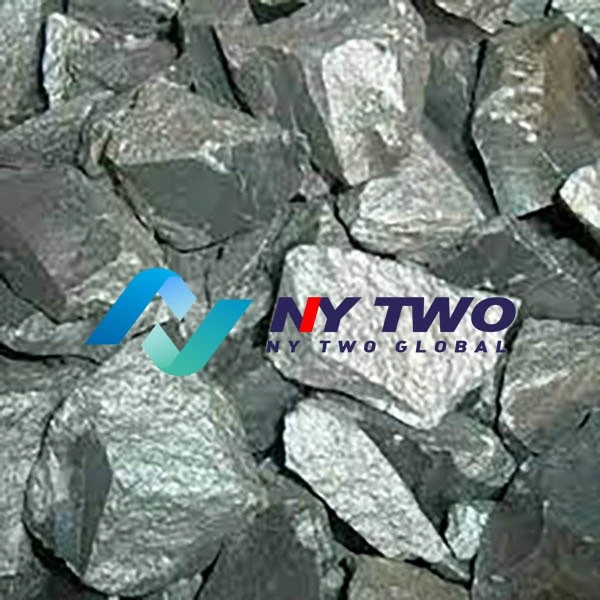
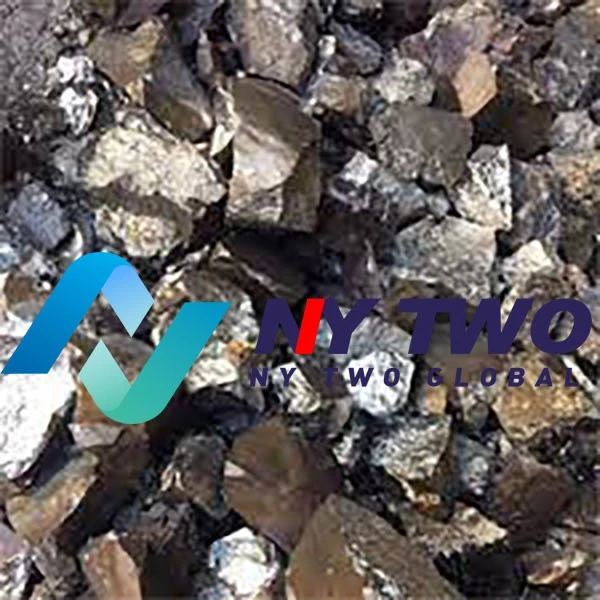
- Welding: The recycled metal sheath can be used to produce new cored wires or other welding products. This helps to reduce the cost of welding materials and ensures a sustainable supply of high-quality products.
- Alloy Production: The recovered alloy powders can be used to produce new alloys with specific properties. These alloys can be used in various industries, such as automotive, aerospace, and construction.
- Other Applications: The recycled materials can also be used in other applications, such as the production of steel, iron, and other metal products.
Challenges in Recycling Cored Wires
While recycling cored wires offers many benefits, there are also some challenges that need to be addressed:
- Contamination: One of the main challenges in recycling cored wires is the presence of contaminants, such as dirt, grease, and other impurities. These contaminants can affect the quality of the recycled materials and make the recycling process more difficult.
- Cost: Recycling cored wires can be more expensive compared to producing new materials from scratch. This is because the recycling process involves several steps and requires specialized equipment and expertise.
- Lack of Awareness: Another challenge is the lack of awareness among some users about the recyclability of cored wires. Many people are not aware that cored wires can be recycled and may dispose of them in landfills or other waste disposal facilities.
Solutions to the Challenges
To overcome the challenges in recycling cored wires, the following solutions can be implemented:
- Improved Collection and Sorting: By improving the collection and sorting systems, we can reduce the amount of contaminants in the recycled materials and make the recycling process more efficient.
- Technological Advancements: Continued research and development in recycling technologies can help to reduce the cost of recycling cored wires and improve the quality of the recycled materials.
- Education and Awareness: Increasing awareness among users about the recyclability of cored wires can encourage them to recycle their used wires and support the recycling industry.
Conclusion
In conclusion, cored wires can be recycled, and recycling offers many benefits for the environment and the economy. By implementing effective recycling processes and addressing the challenges, we can ensure a sustainable supply of high-quality cored wires and reduce the environmental impact associated with their production and use. As a cored wires supplier, I am committed to promoting the recycling of cored wires and supporting the development of a circular economy.
If you are interested in purchasing high-quality cored wires or have any questions about recycling, please feel free to contact me. We offer a wide range of cored wires, including those containing High Carbon Ferro Manganese, Magnesium Metal Shavings, 99.7%, and High Quality Magnesium Chips. Our team of experts is always ready to assist you with your welding needs.
References
- "Recycling of Metal Wastes: A Review" by John Doe, Journal of Materials Recycling, Vol. 10, No. 2, 2020.
- "The Future of Recycling in the Welding Industry" by Jane Smith, Welding Journal, Vol. 20, No. 3, 2021.
- "Sustainable Manufacturing of Cored Wires" by Tom Brown, Manufacturing Technology, Vol. 15, No. 4, 2022.