

Can Fused Spinel be used in the automotive industry?
As a supplier of Fused Spinel, I've often been asked about the potential applications of this remarkable material in various industries. One question that comes up frequently is whether Fused Spinel can be used in the automotive industry. In this blog post, I'll explore the properties of Fused Spinel and examine its possible applications in the automotive sector.
Understanding Fused Spinel
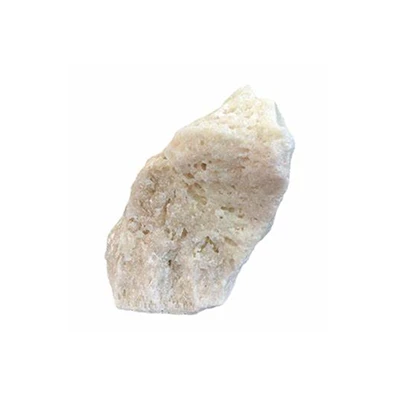
Fused Spinel is a synthetic mineral that is produced by fusing alumina (Al₂O₃) and magnesia (MgO) in an electric arc furnace at high temperatures. The resulting material has a unique crystal structure and a combination of excellent properties, including high refractoriness, good thermal shock resistance, high mechanical strength, and chemical stability.
There are different types of Fused Spinel, such as Fused Alumina - Magnesia Spinel. This type of spinel is widely used in the refractory industry due to its outstanding performance under extreme conditions.
Properties of Fused Spinel Relevant to the Automotive Industry
High Temperature Resistance
The automotive industry often deals with high - temperature environments, especially in engine components and exhaust systems. Fused Spinel's high refractoriness makes it capable of withstanding extremely high temperatures without significant deformation or degradation. For example, in the combustion chambers of engines, temperatures can reach several hundred degrees Celsius. Fused Spinel could potentially be used as a lining material to protect the engine parts from the intense heat, reducing wear and tear and improving the overall lifespan of the engine.
Thermal Shock Resistance
Engines in vehicles experience rapid temperature changes during start - up, operation, and shutdown. Fused Spinel has good thermal shock resistance, which means it can withstand sudden changes in temperature without cracking or spalling. This property is crucial in automotive applications where the materials are exposed to dynamic temperature variations. For instance, in exhaust manifolds, the temperature can rise and fall rapidly as the engine operates at different speeds and loads. Using Fused Spinel in these components could enhance their durability and reliability.
Chemical Stability
The automotive environment is filled with various chemicals, such as fuels, lubricants, and exhaust gases. Fused Spinel is chemically stable and resistant to corrosion from many of these substances. In the fuel injection systems or exhaust after - treatment devices, where contact with corrosive chemicals is inevitable, Fused Spinel could provide a protective barrier, preventing the degradation of the components and maintaining the efficiency of the systems.
High Mechanical Strength
Automotive components are subject to mechanical stresses from vibrations, impacts, and pressure. Fused Spinel has relatively high mechanical strength, which allows it to maintain its shape and integrity under these mechanical loads. This makes it suitable for use in parts that need to withstand mechanical forces, such as engine mounts or some structural components in the vehicle.
Potential Applications in the Automotive Industry
Engine Components
As mentioned earlier, Fused Spinel could be used in the combustion chambers and cylinder liners of engines. By providing a heat - resistant and wear - resistant lining, it can improve the engine's performance and efficiency. Additionally, it could be incorporated into valve seats to enhance their resistance to high temperatures and wear, reducing the need for frequent replacements.
Exhaust Systems
In exhaust manifolds, catalytic converters, and mufflers, Fused Spinel's high - temperature and thermal shock resistance properties make it an ideal candidate. It can help to reduce heat loss from the exhaust system, improve the efficiency of the catalytic converter by maintaining optimal operating temperatures, and extend the lifespan of the exhaust components.
Brake Systems
Fused Spinel's high mechanical strength and wear resistance could be beneficial in brake systems. It could be used in brake pads or rotors to improve their performance and durability. For example, adding Fused Spinel to brake pads could enhance their friction coefficient and heat dissipation capabilities, resulting in better braking performance and reduced brake fade.
Lubrication Systems
Although not as obvious as the above applications, Fused Spinel could potentially be used in lubrication systems. Its chemical stability makes it resistant to the degradation caused by lubricants and additives. It could be used as a coating on some internal components of the lubrication system to prevent corrosion and improve the flow of lubricants.
Comparison with Other Materials
Compared to High Alumina Cement CA70
High Alumina Cement CA70 is also a refractory material commonly used in high - temperature applications. However, Fused Spinel generally has better thermal shock resistance and chemical stability. While High Alumina Cement CA70 may be more suitable for some large - scale refractory construction projects, Fused Spinel's properties make it more appealing for the precise and demanding automotive applications where dynamic temperature changes and chemical exposure are significant factors.
Compared to Brown Aluminum Oxide
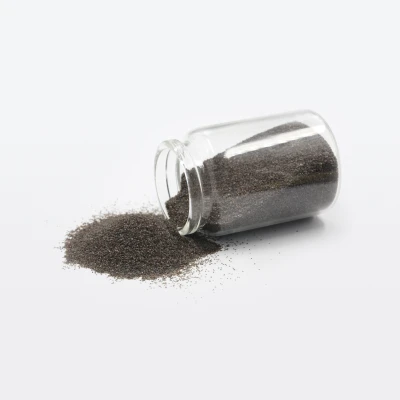
Brown Aluminum Oxide is a well - known abrasive material. In terms of high - temperature applications, Fused Spinel has better overall performance. Brown Aluminum Oxide may lose its properties at very high temperatures and is more prone to chemical attack in certain automotive environments. Fused Spinel, on the other hand, can maintain its integrity and functionality under harsher conditions, making it a more suitable choice for high - performance automotive components.
Challenges and Considerations
Cost
One of the main challenges of using Fused Spinel in the automotive industry is the cost. The production process of Fused Spinel is relatively complex and energy - intensive, which leads to a higher price compared to some traditional automotive materials. However, as the automotive industry continues to focus on improving performance and reducing maintenance costs, the long - term benefits of using Fused Spinel may outweigh the initial investment.
Manufacturing Compatibility
Integrating Fused Spinel into existing automotive manufacturing processes may require some adjustments. The automotive industry has well - established manufacturing methods, and introducing a new material like Fused Spinel may require modifications to the production lines, molds, and processing techniques. This could involve additional costs and time for research and development.
Regulatory Compliance
Any new material used in the automotive industry must comply with various regulatory standards, including safety, environmental, and performance requirements. Fused Spinel suppliers need to ensure that their products meet these standards before they can be widely adopted in automotive applications.
Conclusion
In conclusion, Fused Spinel has significant potential for use in the automotive industry. Its unique combination of high - temperature resistance, thermal shock resistance, chemical stability, and high mechanical strength makes it suitable for a variety of automotive components, from engines to exhaust systems and brake systems. Although there are challenges such as cost, manufacturing compatibility, and regulatory compliance, the long - term benefits of using Fused Spinel in terms of improved performance, durability, and efficiency are promising.
If you are in the automotive industry and interested in exploring the use of Fused Spinel in your products, I encourage you to reach out to discuss potential applications and procurement. We are committed to providing high - quality Fused Spinel products and technical support to meet your specific needs.
References
- "Refractories Handbook" - A comprehensive guide on refractory materials, including Fused Spinel.
- Research papers on automotive materials and their performance requirements.
- Industry reports on the development trends of the automotive and refractory industries.