

Can Pink Corundum be irradiated?
As a supplier of Pink Corundum, I often encounter various inquiries from customers regarding the properties and treatment methods of this beautiful gemstone. One question that frequently comes up is whether Pink Corundum can be irradiated. In this blog post, I aim to provide a comprehensive and scientific answer to this question.
Understanding Pink Corundum
Before delving into the topic of irradiation, it's essential to understand what Pink Corundum is. Corundum is a crystalline form of aluminum oxide (Al₂O₃) and is one of the hardest naturally occurring substances, second only to diamond on the Mohs scale of mineral hardness. Pink Corundum, also known as pink sapphire, gets its color from trace elements such as chromium and iron present in the crystal structure.
The color of Pink Corundum can range from a pale, delicate pink to a vivid, intense hue. The natural formation of these gemstones occurs under high - pressure and high - temperature conditions deep within the Earth's crust. The unique color and durability of Pink Corundum make it a popular choice for jewelry, including rings, necklaces, and earrings.
The Process of Irradiation in Gemstones
Irradiation is a treatment method commonly used in the gemstone industry to alter or enhance the color of gemstones. This process involves exposing the gemstone to high - energy radiation, such as gamma rays, neutrons, or electron beams. The radiation interacts with the atoms in the gemstone's crystal lattice, causing changes in the electronic structure and, consequently, the absorption and reflection of light, which results in a change in color.
Irradiation can be used to produce a wide range of colors in gemstones that are not naturally occurring or to intensify the existing color. For example, colorless diamonds can be irradiated to produce fancy colors like blue, green, or yellow. Similarly, some types of quartz can be treated to change their color from white to purple (amethyst) or other hues.
Can Pink Corundum be Irradiated?
The short answer is yes, Pink Corundum can be irradiated. However, the results and the practicality of this treatment are subject to several factors.
Effect on Color
When Pink Corundum is irradiated, the color change depends on the initial color and the chemical composition of the gemstone. In some cases, irradiation can enhance the existing pink color, making it more vivid and intense. However, in other situations, it may cause the color to shift to a different shade or may even produce unwanted colors.
The trace elements in Pink Corundum play a crucial role in determining the outcome of irradiation. For instance, if the gemstone contains a significant amount of titanium or iron in addition to chromium, the color change may be more unpredictable. The radiation can interact with these elements in complex ways, leading to a range of color effects that may not always be desirable.
Stability of the Color
Another important consideration is the stability of the color change after irradiation. Some color changes induced by irradiation are stable over time, while others may fade or change when exposed to heat, light, or other environmental factors. In the case of Pink Corundum, the stability of the irradiated color can vary depending on the treatment conditions and the specific composition of the gemstone.
If the color change is not stable, it can be a significant drawback for both the supplier and the customer. Jewelry made from gemstones with unstable colors may require special care and may not maintain their appearance over the long term.
Market Acceptance
The market acceptance of irradiated Pink Corundum is also a factor. In the gemstone market, there is a preference for natural, untreated gemstones. Many consumers value the authenticity and rarity of naturally - colored gemstones. While irradiated gemstones can be a more affordable alternative, they may not command the same high prices as their natural counterparts.
As a supplier, it is essential to be transparent about any treatments applied to the gemstones. Disclosing the irradiation treatment to customers is not only an ethical practice but also helps to build trust in the market.
Comparison with Other Abrasive Materials
In the abrasive industry, Pink Corundum is also used for its hardness and durability. It is often compared with other abrasive materials such as Brown Fused Alumina For Abrasives, Garnet, and Hardness Of Silicon Carbide.
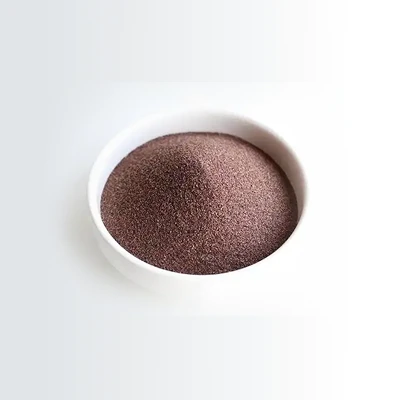
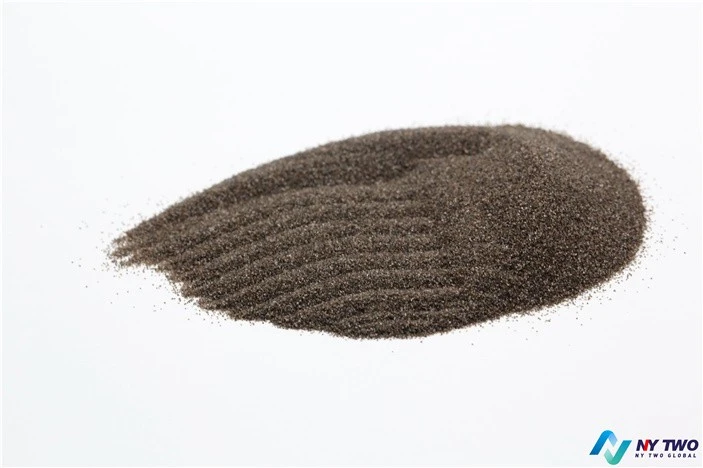
Brown Fused Alumina is a widely used abrasive material known for its high hardness and toughness. It is commonly used in grinding wheels, sandpaper, and other abrasive products. While Pink Corundum has similar hardness properties, its pink color and potential for color changes due to irradiation may limit its use in some applications where color consistency is crucial.
Garnet is another abrasive material that is often used for sandblasting and waterjet cutting. It has a lower hardness compared to Pink Corundum but is more cost - effective in some cases. The choice between Pink Corundum and Garnet depends on the specific requirements of the application, such as the type of material being abraded and the desired finish.
Silicon carbide is an extremely hard abrasive material with excellent cutting performance. It is used in high - precision grinding and cutting applications. However, its production process is more complex and costly compared to Pink Corundum. The Hardness Of Silicon Carbide makes it suitable for applications where high - speed cutting and fine finishing are required.
Our Approach as a Supplier
As a Pink Corundum supplier, we take a cautious approach to irradiation. While we recognize that irradiation can be a useful treatment method in some cases, we prioritize the quality and authenticity of our gemstones.
We source our Pink Corundum from reliable mines and ensure that we have a clear understanding of the origin and natural characteristics of the gemstones. Before considering any treatment, we conduct thorough testing to determine the potential effects of irradiation on the color and stability of the gemstones.
We also believe in full transparency with our customers. When selling irradiated Pink Corundum, we clearly label the gemstones as treated and provide detailed information about the treatment process and the expected color stability. This way, our customers can make informed decisions based on their preferences and requirements.
Contact Us for Purchase and Negotiation
If you are interested in purchasing Pink Corundum, whether natural or irradiated, we invite you to contact us for further discussion. We have a wide range of Pink Corundum products available, suitable for both jewelry making and abrasive applications. Our team of experts can provide you with detailed information about the gemstones, including their quality, color, and any treatments applied.
We are committed to providing high - quality products and excellent customer service. Whether you are a jewelry designer, a manufacturer, or an individual collector, we can work with you to meet your specific needs. Please feel free to reach out to us to start the negotiation process.
References
- Nassau, K. (1980). The Physics and Chemistry of Color: The Fifteen Causes of Color. John Wiley & Sons.
- Gübelin, E. J., & Koivula, J. I. (1997). Photoatlas of Inclusions in Gemstones. Opinio.
- Webster, A. (2006). Gemstones: Their Sources, Descriptions and Identification. Butterworth - Heinemann.