

Do cored wires require shielding?
As a seasoned supplier of cored wires, I've encountered numerous inquiries regarding the necessity of shielding for these essential welding materials. In this blog post, I aim to delve into the science behind cored wires and explore whether shielding is indeed required.
Understanding Cored Wires
Cored wires are a type of welding electrode that consists of a metal sheath surrounding a core of flux or other alloying elements. They are widely used in various welding applications due to their high deposition rates, excellent weld quality, and versatility. Cored wires can be classified into two main types: flux-cored wires and metal-cored wires.
Flux-cored wires contain a flux core that provides shielding gas and slag formation during welding. The flux reacts with the molten metal to produce a protective gas shield that prevents oxidation and contamination of the weld. Metal-cored wires, on the other hand, have a core filled with metal powder or alloying elements. They do not rely on a flux core for shielding but instead use an external shielding gas to protect the weld pool.
The Role of Shielding in Welding
Shielding is a crucial aspect of welding that helps to protect the molten metal from atmospheric contamination. When a weld is exposed to air, oxygen, nitrogen, and other impurities can react with the molten metal, leading to the formation of defects such as porosity, oxidation, and cracking. Shielding gas or flux is used to create a protective barrier around the weld pool, preventing the entry of these contaminants and ensuring a high-quality weld.
In the case of cored wires, shielding can be provided by the flux core or an external shielding gas. Flux-cored wires with a self-shielding flux core do not require an external shielding gas as the flux generates its own shielding gas during welding. These wires are commonly used in outdoor applications where it may be difficult to use an external shielding gas. Metal-cored wires, on the other hand, typically require an external shielding gas to protect the weld pool.
Do Cored Wires Require Shielding?
The answer to whether cored wires require shielding depends on several factors, including the type of cored wire, the welding process, and the application. Let's take a closer look at these factors to determine when shielding is necessary.
Type of Cored Wire
As mentioned earlier, flux-cored wires can be self-shielding or require an external shielding gas. Self-shielding flux-cored wires are designed to generate their own shielding gas during welding, eliminating the need for an external gas supply. These wires are commonly used in applications where portability and ease of use are important, such as in construction and repair work.
On the other hand, metal-cored wires and some types of flux-cored wires require an external shielding gas to protect the weld pool. The shielding gas helps to prevent oxidation and contamination of the weld, resulting in a higher-quality weld with fewer defects. These wires are typically used in applications where weld quality is critical, such as in the automotive and aerospace industries.
Welding Process
The welding process also plays a role in determining whether shielding is required for cored wires. For example, in gas metal arc welding (GMAW), an external shielding gas is always required to protect the weld pool. This is because the welding arc is exposed to the atmosphere, and without shielding, the molten metal would quickly oxidize and become contaminated.
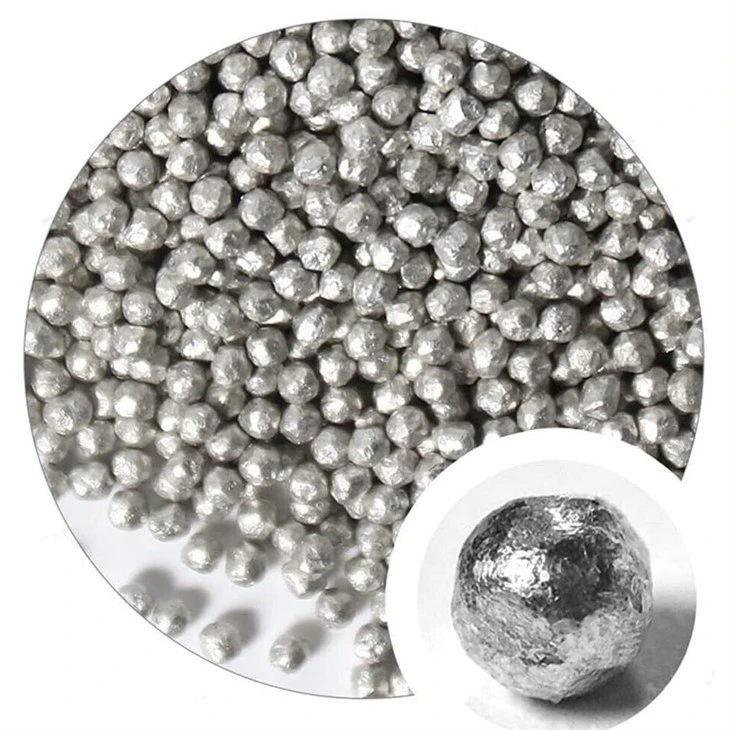
In flux-cored arc welding (FCAW), the type of flux-cored wire used determines whether an external shielding gas is required. Self-shielding flux-cored wires do not require an external gas supply, while gas-shielded flux-cored wires require an external shielding gas to protect the weld pool.
Application
The application for which the cored wire is being used is another important factor to consider when determining whether shielding is necessary. In some applications, such as outdoor welding or welding in areas with poor ventilation, self-shielding flux-cored wires may be the preferred choice as they do not require an external gas supply.
In other applications, such as welding in a controlled environment or where high-quality welds are required, gas-shielded flux-cored wires or metal-cored wires with an external shielding gas may be necessary. These wires provide better protection against oxidation and contamination, resulting in a higher-quality weld.
Benefits of Shielding for Cored Wires
While self-shielding flux-cored wires can be a convenient option in some applications, there are several benefits to using gas-shielded flux-cored wires or metal-cored wires with an external shielding gas.
Improved Weld Quality
Shielding gas helps to protect the weld pool from oxidation and contamination, resulting in a higher-quality weld with fewer defects. Gas-shielded flux-cored wires and metal-cored wires typically produce welds with better mechanical properties, such as higher strength and ductility, compared to self-shielding flux-cored wires.
Increased Welding Speed
Shielding gas also helps to improve the welding speed by reducing the amount of spatter and improving the arc stability. This allows for faster deposition rates and increased productivity.
Better Weld Appearance
Gas-shielded flux-cored wires and metal-cored wires produce welds with a smoother and more uniform appearance compared to self-shielding flux-cored wires. This is because the shielding gas helps to prevent the formation of slag and other impurities on the surface of the weld.
Conclusion
In conclusion, whether cored wires require shielding depends on several factors, including the type of cored wire, the welding process, and the application. Self-shielding flux-cored wires are a convenient option for outdoor welding and applications where portability is important, while gas-shielded flux-cored wires and metal-cored wires with an external shielding gas are typically used in applications where high-quality welds are required.
As a supplier of cored wires, I can provide you with a wide range of options to meet your specific welding needs. Whether you require self-shielding flux-cored wires, gas-shielded flux-cored wires, or metal-cored wires, I can help you choose the right product for your application.
If you're interested in learning more about cored wires or would like to discuss your welding requirements, please don't hesitate to [contact me for procurement and negotiation]. I'm always happy to help and look forward to working with you.
References
- AWS Welding Handbook, Volume 2: Welding Processes
- Welding Metallurgy and Weldability of Stainless Steels, by John C. Lippold and David J. Kotecki
- The Welding Institute (TWI) Technical Information Services