

How are cored wires insulated?
In the realm of industrial manufacturing, cored wires play a pivotal role in various welding and surfacing applications. As a trusted cored wires supplier, I understand the importance of not only providing high - quality products but also sharing in - depth knowledge about them. One crucial aspect that often comes under scrutiny is how cored wires are insulated. In this blog, we will delve into the science and methods behind the insulation of cored wires.
Understanding Cored Wires
Before we jump into the insulation process, let's briefly understand what cored wires are. Cored wires consist of a metal sheath that encloses a core of flux or alloying elements. The metal sheath is typically made of steel, and the core can be composed of a variety of materials depending on the intended application. For example, in welding applications, the core may contain elements that help in deoxidation, desulfurization, and improving the mechanical properties of the weld.
The Importance of Insulation
Insulation of cored wires serves several vital purposes. Firstly, it protects the core material from environmental factors such as moisture, oxygen, and dust. Moisture can cause the core to react with oxygen, leading to the formation of oxides that can negatively impact the performance of the cored wire during welding. Secondly, insulation helps in maintaining the integrity of the wire during handling, storage, and transportation. It prevents physical damage to the wire, which could otherwise affect its feeding through the welding equipment.
Types of Insulation Materials
There are several materials commonly used for insulating cored wires.
Plastic Films
Plastic films are one of the most widely used insulation materials. Polyethylene (PE) and polypropylene (PP) films are popular choices due to their excellent moisture - barrier properties. These films can be easily wrapped around the cored wires, providing a protective layer. They are also flexible, which allows for easy handling and packaging. For example, a thin layer of PE film can be extruded onto the surface of the cored wire, creating a seamless and uniform insulation.
Coating Resins
Coating resins are another option for insulating cored wires. Epoxy resins, for instance, can be applied as a coating on the wire surface. Epoxy coatings offer high chemical resistance and good adhesion to the metal sheath of the cored wire. They can also provide protection against abrasion and mechanical damage. The coating process typically involves dipping the cored wire into a resin bath or spraying the resin onto the wire surface, followed by a curing process to harden the coating.
Wax Coatings
Wax coatings are often used for short - term insulation and protection. Paraffin wax, for example, can be melted and applied to the cored wire. Wax coatings are relatively inexpensive and can provide a basic level of moisture protection. However, they may not be as durable as plastic films or coating resins, especially in harsh environmental conditions.
Insulation Processes
Extrusion
Extrusion is a common process for applying plastic film insulation. In this process, the plastic material is heated until it becomes molten and then forced through a die around the cored wire. The die is designed to shape the plastic into a uniform layer around the wire. The extruded plastic cools and solidifies, forming a continuous insulation layer. This process allows for precise control of the insulation thickness and can be automated for high - volume production.
Dipping
Dipping is a simple and cost - effective method for applying coating resins or wax coatings. The cored wire is dipped into a tank containing the molten coating material. The wire is then withdrawn at a controlled speed, allowing the excess coating to drip off. After that, the coated wire is either air - dried or cured in an oven, depending on the type of coating material.
Spraying
Spraying is another method for applying coating materials. A spray gun is used to atomize the coating resin or wax into fine droplets, which are then deposited onto the surface of the cored wire. Spraying allows for more precise control of the coating thickness and can be used for complex wire geometries. However, it requires specialized equipment and proper ventilation to ensure a safe working environment.
Quality Control in Insulation
Ensuring the quality of the insulation is crucial for the performance of the cored wire.
Thickness Measurement
The thickness of the insulation layer is an important parameter. It can be measured using various techniques such as micrometers or non - destructive testing methods like ultrasonic thickness gauges. A uniform insulation thickness is essential to provide consistent protection along the entire length of the cored wire.
Adhesion Testing
The adhesion of the insulation material to the metal sheath is also critical. Adhesion testing can be performed by applying a tape to the insulated wire and then peeling it off. If the insulation material remains intact on the wire, it indicates good adhesion. Poor adhesion can lead to the insulation peeling off during handling, exposing the core to environmental factors.
Moisture Resistance Testing
Moisture resistance testing is carried out to evaluate the effectiveness of the insulation in preventing moisture ingress. The insulated cored wires can be placed in a high - humidity environment for a certain period, and then the moisture content inside the wire can be measured. If the moisture content is within the acceptable range, it indicates that the insulation is performing well.
Impact of Insulation on Performance
Proper insulation has a significant impact on the performance of cored wires.
Welding Quality
Well - insulated cored wires ensure better welding quality. Since the insulation protects the core from oxidation and contamination, the wire can produce a cleaner and more stable arc during welding. This results in fewer defects in the weld, such as porosity and slag inclusions. For example, in applications where high - quality welds are required, such as in the aerospace and automotive industries, the use of properly insulated cored wires is essential.
Wire Feeding
Insulation also affects the wire feeding through the welding equipment. A smooth and intact insulation layer allows for consistent wire feeding, reducing the risk of wire jams. This is particularly important in automated welding processes, where any interruption in wire feeding can lead to production delays and quality issues.
Related Products
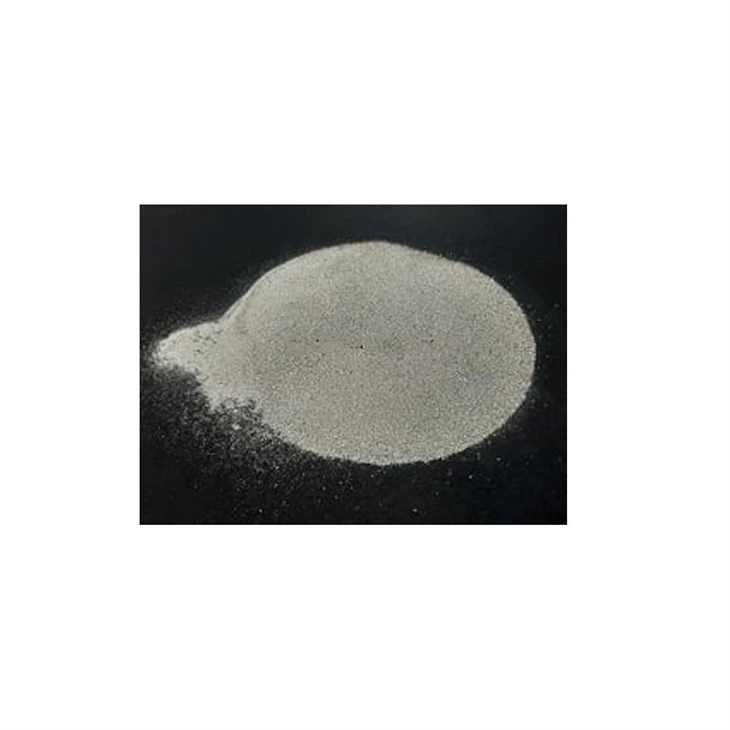
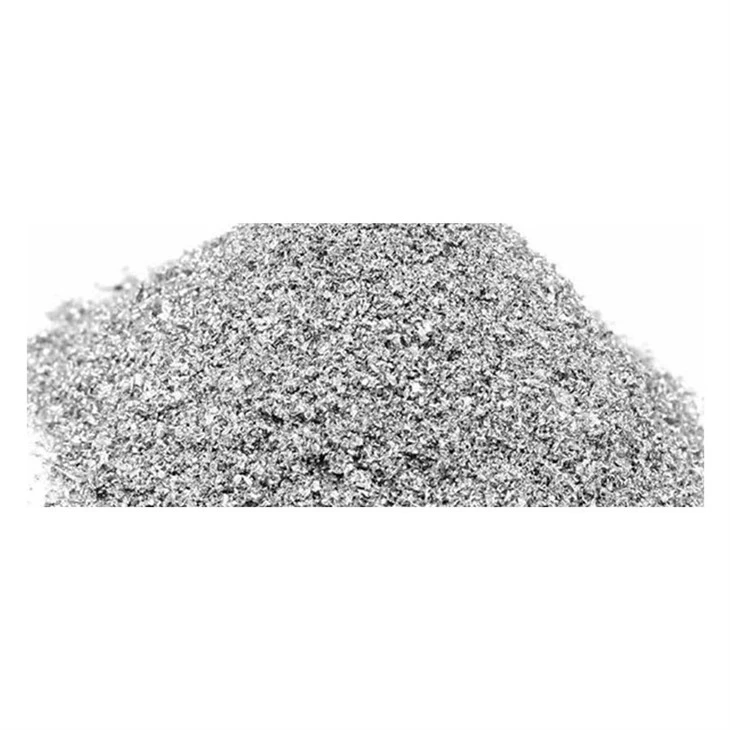
As a cored wires supplier, we also offer a range of related products that can be used in conjunction with cored wires. For example, Magnesium Chips & Granules can be used as alloying elements in some cored wire applications. These magnesium chips and granules are of high purity and can contribute to improving the mechanical properties of the weld. Another product is Magnesium Metal Powder (20 Mesh), 99.8%, which can also be incorporated into the core of the cored wire for specific welding requirements. Additionally, Medium Carbon Ferromanganese is a useful alloying material that can be used in cored wires to enhance the strength and hardness of the weld.
Conclusion
Insulation is a critical aspect of cored wire manufacturing. By understanding the types of insulation materials, processes, and quality control measures, we can ensure that our cored wires meet the highest standards of performance. At our company, we are committed to providing cored wires with excellent insulation to our customers. If you are interested in purchasing cored wires or have any questions about our products, please feel free to contact us for procurement and further discussions.
References
- "Welding Handbook", American Welding Society
- "Materials Science and Engineering: An Introduction", William D. Callister Jr.
- Industry reports on cored wire manufacturing and insulation technologies.