

How do abrasives wear out?
Hey there! As an abrasives supplier, I've seen a lot of questions about how abrasives wear out. It's a topic that's super important for anyone in the industry, whether you're a manufacturer looking to optimize your production process or a DIY enthusiast trying to get the best results from your tools. So, let's dive right in and explore the ins and outs of abrasive wear.
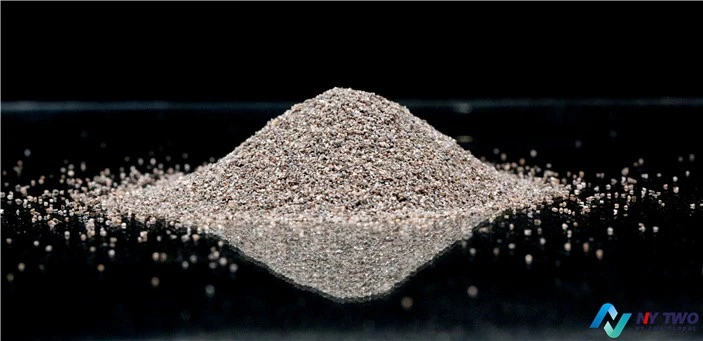
First off, what exactly are abrasives? Well, they're materials that are used to grind, polish, or cut other materials. You've probably used them in some form or another, like sandpaper for smoothing wood or a grinding wheel for shaping metal. Abrasives come in all sorts of shapes and sizes, and they're made from different materials too, like Fused Alumina Brown Powder, Brown Aluninum Oxide, and Aluminium Hydroxide H - WF.
Now, let's talk about how these abrasives wear out. There are a few main factors that contribute to abrasive wear, and understanding them can help you make the most of your abrasives and save some money in the long run.
1. Mechanical Wear
One of the most common ways abrasives wear out is through mechanical wear. This happens when the abrasive particles come into contact with the material they're working on. As they rub against the surface, the particles start to break down and lose their sharp edges.
Imagine you're sanding a piece of rough wood with sandpaper. At first, the sandpaper is nice and gritty, and it quickly smooths out the wood. But as you keep sanding, the abrasive particles on the sandpaper start to get dull. They're no longer able to cut through the wood as easily, and you have to press harder or use more force to get the same results. Eventually, the sandpaper becomes so worn that it's no longer effective, and you have to replace it.
The same thing happens with other types of abrasives, like grinding wheels. When a grinding wheel is used to grind metal, the abrasive grains on the wheel are constantly being subjected to high pressures and friction. Over time, these grains break off or become dull, and the wheel's performance starts to decline.
2. Chemical Wear
Chemical wear is another factor that can cause abrasives to wear out. This occurs when the abrasive material reacts chemically with the material it's working on or with the environment.
For example, in some industrial processes, abrasives may come into contact with chemicals or corrosive substances. These substances can react with the abrasive particles, causing them to dissolve or change their properties. In a wet grinding operation where the abrasive is exposed to water and certain chemicals, the abrasive may start to corrode. This can weaken the abrasive particles and make them more likely to break off, leading to premature wear.
Another aspect of chemical wear is oxidation. Some abrasives, especially those made of metals or metal oxides, can oxidize when exposed to air and moisture. Oxidation can cause the abrasive particles to become brittle and lose their cutting ability.
3. Thermal Wear
Thermal wear is related to the heat generated during the abrasive process. When an abrasive is used to grind or cut a material, a lot of heat is produced due to friction. This heat can have a significant impact on the abrasive's performance.
High temperatures can cause the abrasive particles to expand and contract rapidly. This thermal cycling can lead to cracks and fractures in the particles, making them more likely to break off. In extreme cases, the heat can even cause the abrasive material to melt or vaporize, which obviously affects its ability to function as an abrasive.
For instance, when using a high - speed grinding wheel, the heat generated can be so intense that it can damage the wheel's structure. If the wheel isn't properly cooled or if the grinding parameters aren't set correctly, the abrasive grains can be severely affected by the thermal stress, leading to rapid wear.
4. Loading
Loading is a phenomenon that can also contribute to abrasive wear. It happens when the material being worked on clogs the spaces between the abrasive particles.
Let's say you're using a grinding wheel to grind a soft metal like aluminum. As you grind, the aluminum chips can get stuck in the pores of the grinding wheel. This not only reduces the wheel's cutting ability but also increases the friction and heat generated during the grinding process. The increased heat can then lead to more wear on the abrasive particles, as we discussed earlier.
Loading can also make the abrasive surface uneven, which can cause uneven wear and further reduce the abrasive's performance.
How to Minimize Abrasive Wear
Now that we know the main factors that cause abrasives to wear out, let's talk about how we can minimize this wear.
- Proper Selection: Choosing the right abrasive for the job is crucial. Different materials and applications require different types of abrasives. For example, if you're grinding a hard metal, you'll need an abrasive with high hardness and toughness, like Brown Aluninum Oxide. On the other hand, if you're polishing a delicate surface, a softer abrasive might be more appropriate.
- Correct Operating Parameters: Using the correct operating parameters, such as speed, pressure, and feed rate, can also help reduce abrasive wear. For example, if you're using a grinding wheel, running it at the recommended speed and applying the right amount of pressure can prevent excessive wear on the wheel.
- Lubrication and Cooling: Lubrication and cooling can play a big role in minimizing abrasive wear. Lubricants can reduce friction and heat generation, which helps to protect the abrasive particles. Cooling systems can also help to dissipate the heat produced during the abrasive process, preventing thermal wear.
- Regular Maintenance: Regularly inspecting and maintaining your abrasives can extend their lifespan. For example, cleaning a grinding wheel to remove any loaded material can improve its performance and reduce wear.
Conclusion
So, there you have it - the main ways abrasives wear out and how you can minimize this wear. As an abrasives supplier, I know how important it is to get the most out of your abrasives. Whether you're a professional in the manufacturing industry or a hobbyist working on a DIY project, understanding abrasive wear can help you make better decisions and save money.
If you're in the market for high - quality abrasives or have any questions about how to choose the right ones for your needs, don't hesitate to reach out. We're here to help you find the perfect abrasives for your applications and ensure that you get the best performance possible. Contact us to start a conversation about your abrasive requirements and let's work together to find the ideal solutions for you.
References
- Schey, J. A. (1987). Tribology in Metalworking: Friction, Lubrication, and Wear. American Society for Metals.
- Hutchings, I. M. (1992). Tribology: Friction and Wear of Engineering Materials. Edward Arnold.
- Finnie, I. (1995). Wear of Materials. Elsevier.