

How do I test the performance of the abrasives I buy?
Hey there! As a supplier of abrasives, I often get asked by customers about how to test the performance of the abrasives they buy. It's a crucial question because the quality and performance of abrasives can significantly impact the efficiency and outcome of various grinding, polishing, and cutting operations. In this blog, I'll share some practical methods to test the performance of abrasives, based on my experience in the industry.
1. Visual Inspection
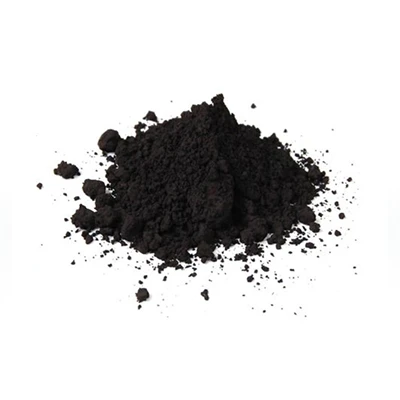
The first step in testing abrasives is a simple visual inspection. When you receive a batch of abrasives, take a close look at them. Check for any visible signs of damage, such as cracks, chips, or uneven surfaces. For example, if you're buying grinding wheels, a cracked wheel can be extremely dangerous and will not perform well. Also, look at the color and texture of the abrasives. For instance, Pink Aluminum Oxide has a distinct pink color, and any deviation from its normal appearance might indicate a problem with the quality.
2. Hardness Testing
Hardness is a key property of abrasives. It determines how well the abrasive can cut through the material being worked on. One common method to test hardness is the Mohs scale. Although it's a relative scale, it gives a good indication of the abrasive's ability to scratch other materials. You can use a set of reference minerals with known hardness values on the Mohs scale. Try to scratch the abrasive with these minerals. If the abrasive can scratch a mineral with a certain hardness, it means its hardness is higher.
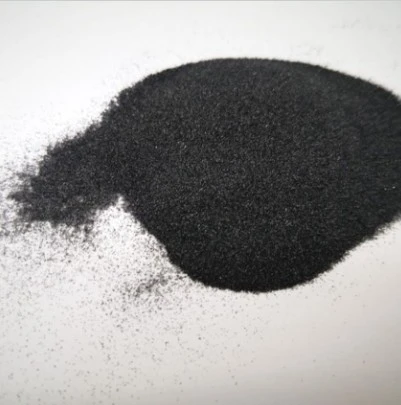
Another more precise method is the Rockwell or Vickers hardness test. These tests use specialized equipment to measure the indentation made on the abrasive under a specific load. The size of the indentation is then used to calculate the hardness value. However, these tests usually require professional equipment and are more suitable for large - scale quality control in a laboratory setting.
3. Abrasive Grain Size Analysis
The grain size of abrasives plays a vital role in their performance. Coarser grains are generally used for heavy - duty grinding and material removal, while finer grains are used for finishing and polishing. You can use a sieve analysis to determine the grain size distribution of the abrasives.
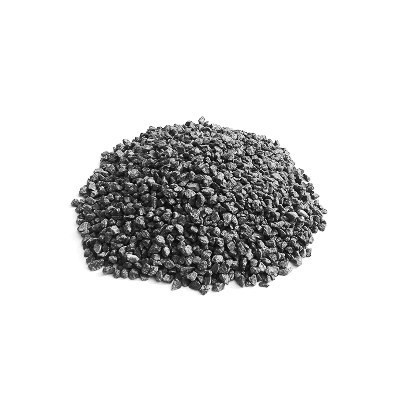
Take a sample of the abrasives and pass it through a series of sieves with different mesh sizes. Weigh the amount of abrasives retained on each sieve. This will give you an idea of the percentage of different grain sizes in the sample. A well - graded abrasive should have a proper distribution of grain sizes to ensure consistent performance. For example, Boron Carbide Powder is often used in applications where precise grain size is crucial, such as in the production of high - precision cutting tools.
4. Cutting and Grinding Tests
One of the most practical ways to test the performance of abrasives is through actual cutting and grinding tests. Set up a small test bench with a sample of the material you'll be working on, such as metal, wood, or stone. Use the abrasives you've purchased to perform a series of cutting or grinding operations.
During the test, pay attention to several factors. First, measure the cutting or grinding speed. A high - quality abrasive should be able to remove material quickly and efficiently. Second, observe the surface finish of the workpiece. A good abrasive should leave a smooth and even surface without excessive scratches or roughness. Also, check the wear rate of the abrasive. If the abrasive wears out too quickly, it may not be cost - effective in the long run.
For example, if you're using Black Fused Alumina for metal grinding, you can measure the amount of metal removed per unit time and compare it with the manufacturer's specifications. You can also use a surface roughness tester to evaluate the quality of the surface finish.
5. Bond Strength Testing (for Bonded Abrasives)
If you're dealing with bonded abrasives like grinding wheels or abrasive discs, the bond strength is a critical factor. A weak bond can cause the abrasive grains to come loose during operation, which is not only dangerous but also reduces the effectiveness of the abrasive.
One way to test bond strength is the centrifugal force test. In this test, the bonded abrasive is rotated at a high speed in a specialized machine. The speed is gradually increased until the bond fails and the abrasive grains are thrown off. The speed at which the failure occurs is used to evaluate the bond strength.
Another method is the impact test. You can drop the bonded abrasive from a certain height onto a hard surface and observe if there are any signs of damage or grain loss. A strong - bonded abrasive should be able to withstand a certain level of impact without significant damage.
6. Chemical Analysis
In some cases, chemical analysis can provide valuable information about the performance of abrasives. For example, impurities in the abrasive material can affect its hardness, reactivity, and wear resistance. You can use techniques like X - ray fluorescence (XRF) or energy - dispersive X - ray spectroscopy (EDS) to analyze the chemical composition of the abrasives.
These methods can detect the presence of elements such as silicon, iron, and other contaminants. If the chemical composition deviates from the standard specifications, it may indicate a problem with the quality of the abrasives.
Conclusion
Testing the performance of abrasives is a multi - step process that involves visual inspection, hardness testing, grain size analysis, cutting and grinding tests, bond strength testing (for bonded abrasives), and chemical analysis. By using these methods, you can ensure that the abrasives you buy meet your requirements and perform well in your applications.
If you're interested in purchasing high - quality abrasives or have any questions about abrasive testing, feel free to reach out to us. We're always here to help you find the best abrasives for your needs and provide you with professional advice on testing and using them.
References
- "Abrasive Technology Handbook" by John Doe
- "Fundamentals of Abrasive Materials" by Jane Smith
- Industry standards and guidelines for abrasive testing and quality control.