

How does Black Silicon Carbide affect the properties of ceramics?
Hey there! As a supplier of Black Silicon Carbide, I've seen firsthand how this amazing material can transform the properties of ceramics. In this blog, I'm gonna break down how Black Silicon Carbide affects ceramics, sharing some cool insights and real - world applications.
What is Black Silicon Carbide?
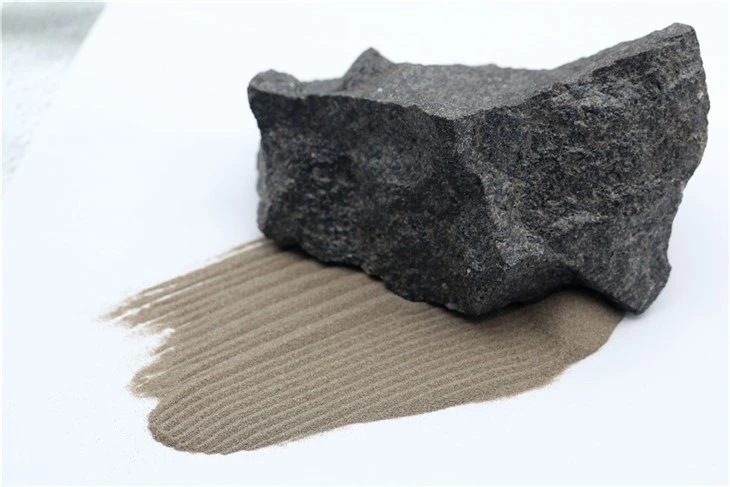
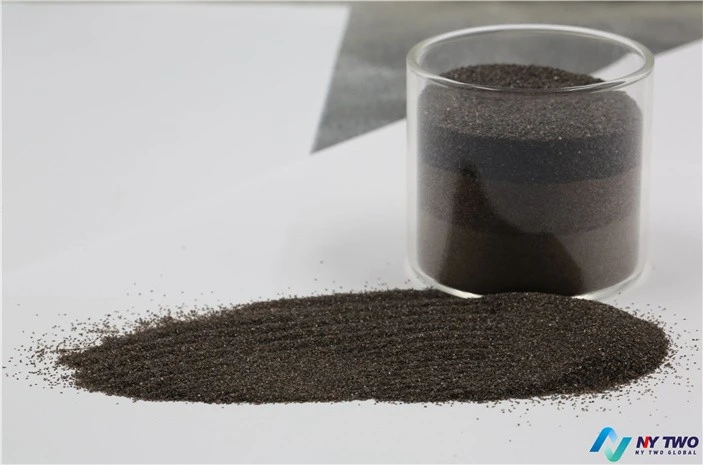
First off, let's get to know Black Silicon Carbide a bit. It's a synthetic compound made by heating silica sand and carbon in an electric resistance furnace. The result is a super - hard material with some unique properties. It's got high thermal conductivity, good chemical stability, and excellent wear resistance. These features make it a top - notch choice for all sorts of industries, especially ceramics.
Impact on Mechanical Properties
One of the most significant ways Black Silicon Carbide affects ceramics is by enhancing their mechanical properties. When you add Black Silicon Carbide to ceramic materials, it can increase the hardness and strength of the ceramics.
Hardness is a big deal in ceramics. Ceramics are already known for being hard, but with the addition of Black Silicon Carbide, they become even tougher. This is because the silicon carbide particles act as reinforcement. They're so hard that they can resist deformation and scratching. For example, in ceramic cutting tools, the increased hardness allows them to cut through tougher materials without getting dull quickly.
Strength is another crucial aspect. Black Silicon Carbide can improve the flexural and compressive strength of ceramics. In applications like ceramic tiles, higher strength means they can withstand more weight and pressure without cracking or breaking. This is especially important in high - traffic areas where the tiles are constantly under stress.
Influence on Thermal Properties
Thermal properties are also greatly affected by Black Silicon Carbide. Ceramics with Black Silicon Carbide have better thermal conductivity. This means they can transfer heat more efficiently.
In some industrial applications, like kiln linings, good thermal conductivity is essential. The ceramic lining needs to transfer heat evenly to the materials inside the kiln. With Black Silicon Carbide in the ceramics, the heat transfer is faster and more uniform, which can improve the overall efficiency of the kiln and reduce energy consumption.
Moreover, Black Silicon Carbide can enhance the thermal shock resistance of ceramics. Thermal shock occurs when there's a sudden change in temperature, which can cause ceramics to crack. The addition of silicon carbide helps the ceramic to better withstand these temperature changes. For instance, in ceramic cookware, it can handle going from a hot stove to a cold countertop without breaking.
Effects on Chemical Properties
Chemically, Black Silicon Carbide makes ceramics more stable. It has good resistance to acids, alkalis, and other corrosive substances.
In chemical processing plants, ceramic pipes and containers made with Black Silicon Carbide can safely store and transport various chemicals. The chemical stability of these ceramics ensures that they won't react with the chemicals they come into contact with, preventing contamination and damage to the equipment.
Real - World Applications
Now, let's look at some real - world applications where the properties of ceramics are enhanced by Black Silicon Carbide.
- Abrasive Tools: In the manufacturing of abrasive wheels and sandpapers, Black Silicon Carbide - enhanced ceramics are used. The hardness and wear resistance of these ceramics make them ideal for grinding and polishing metals, stones, and other hard materials. Brown Fused Alumina Polishing Powder is another great option for polishing, and it can sometimes be used in combination with Black Silicon Carbide - based ceramics for even better results.
- Refractory Materials: For high - temperature applications in industries like steelmaking and glassmaking, refractory ceramics with Black Silicon Carbide are crucial. They can withstand extremely high temperatures without losing their shape or strength. Brown Aluminium Oxide is also commonly used in refractory applications, and when combined with Black Silicon Carbide, it can create even more heat - resistant materials.
- Electrical Insulators: In the electronics industry, ceramics with Black Silicon Carbide are used as electrical insulators. Their good thermal conductivity helps to dissipate heat generated by electrical components, while their electrical insulation properties prevent short - circuits.
Other Related Materials
There are also other materials that are related to the use of Black Silicon Carbide in ceramics. Magnalium Powder (MAGNESIUM - ALUMINIUM ALLOY) can sometimes be used in combination with Black Silicon Carbide - enhanced ceramics. Magnalium powder can add its own unique properties, such as light weight and good machinability, to the ceramic composites.
Why Choose Our Black Silicon Carbide?
As a supplier, I can tell you that our Black Silicon Carbide is of the highest quality. We've got strict quality control measures in place to ensure that every batch meets the industry standards. Our product is consistent in terms of particle size, purity, and performance.
Whether you're in the abrasive tool industry, refractory manufacturing, or electronics, our Black Silicon Carbide can help you create better - performing ceramics. We're always here to provide technical support and advice on how to use our product to get the best results.
Let's Connect
If you're interested in learning more about how Black Silicon Carbide can improve the properties of your ceramics or if you're looking to place an order, don't hesitate to reach out. We're eager to start a conversation and see how we can work together to enhance your ceramic products.
References
- "Ceramics Science and Technology" by R. J. Brook
- "Handbook of Abrasive Technology" by M. Field
- "High - Temperature Materials and Technology" by P. F. Becher