

How does Black Silicon Carbide meet the requirements of semiconductor manufacturing?
In the ever - evolving landscape of semiconductor manufacturing, the demand for high - quality materials is of utmost importance. As a supplier of black silicon carbide, I am excited to explore how this remarkable material meets the exacting requirements of the semiconductor industry.
1. Introduction to Black Silicon Carbide
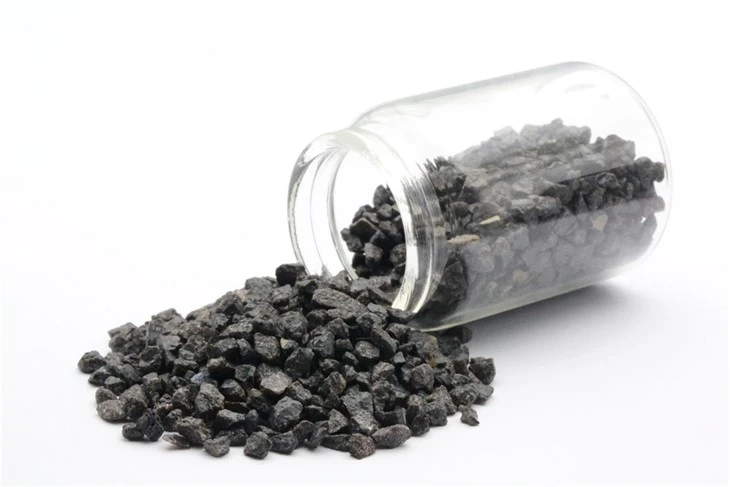
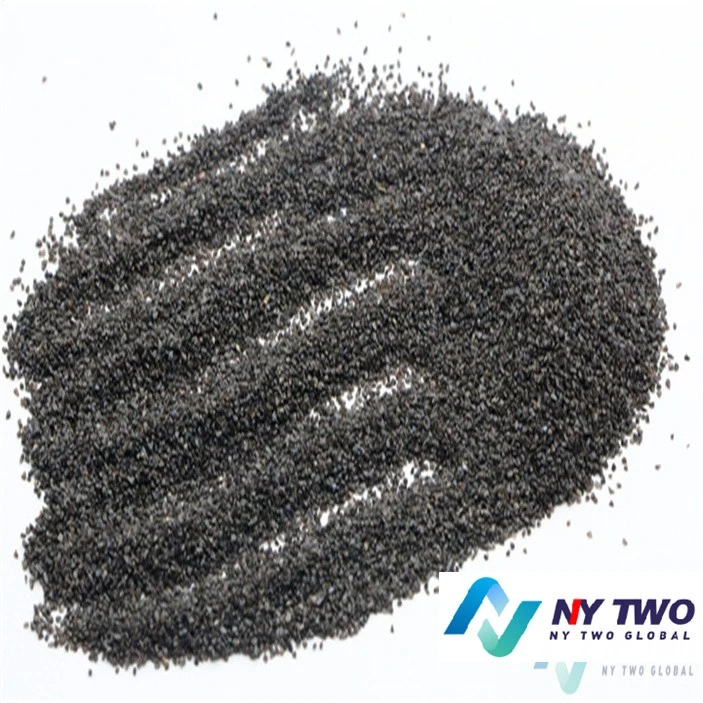
Black silicon carbide is a synthetic compound made by heating silica sand and carbon in an electric resistance furnace at high temperatures. It is characterized by its high hardness, excellent thermal conductivity, and chemical stability. These properties make it an ideal candidate for a variety of applications in semiconductor manufacturing.
2. Hardness and Abrasion Resistance
One of the primary requirements in semiconductor manufacturing is the ability to handle and process delicate semiconductor wafers without causing damage. Black silicon carbide's hardness, second only to diamond on the Mohs scale, makes it an excellent abrasive material. In the semiconductor industry, it is used in wafer slicing and polishing processes.
During the wafer slicing process, thin slices are cut from a large silicon ingot. The cutting tools, often embedded with black silicon carbide particles, can make precise cuts with minimal chipping or damage to the wafer surface. This ensures that the wafers have a smooth and uniform surface, which is crucial for subsequent manufacturing steps.
For wafer polishing, black silicon carbide abrasives can remove surface irregularities and achieve the required flatness and smoothness. The high abrasion resistance of black silicon carbide means that the abrasive particles maintain their shape and cutting ability over time, resulting in consistent polishing results. This is essential for producing high - quality semiconductor wafers with precise dimensions and surface finishes.
3. Thermal Conductivity
Semiconductor devices generate a significant amount of heat during operation. Efficient heat dissipation is critical to prevent overheating, which can lead to device failure and reduced performance. Black silicon carbide has excellent thermal conductivity, allowing it to quickly transfer heat away from the semiconductor components.
In semiconductor packaging, black silicon carbide can be used as a heat sink material. Heat sinks are designed to absorb and dissipate heat from the semiconductor chips. The high thermal conductivity of black silicon carbide enables it to rapidly transfer heat from the chip to the surrounding environment, ensuring that the semiconductor device operates within its optimal temperature range.
Moreover, in the manufacturing process, black silicon carbide can be used in heating elements and fixtures. Its ability to conduct heat evenly and efficiently helps to maintain a stable temperature during various semiconductor manufacturing processes, such as annealing and epitaxial growth. This temperature stability is crucial for ensuring the quality and performance of the semiconductor devices.
4. Chemical Stability
Semiconductor manufacturing involves a series of chemical processes, including etching, cleaning, and doping. These processes require materials that are chemically stable and resistant to corrosion. Black silicon carbide is highly resistant to most chemicals, making it suitable for use in these harsh chemical environments.
In wet etching processes, where chemicals are used to selectively remove layers of material from the semiconductor wafer, black silicon carbide components can be used without being damaged by the corrosive etchants. This ensures the longevity and reliability of the manufacturing equipment.
Additionally, black silicon carbide can be used as a container or lining material in chemical storage and handling systems. Its chemical stability prevents contamination of the chemicals and ensures the purity of the semiconductor manufacturing processes.
5. Comparison with Other Materials
When compared to other materials commonly used in semiconductor manufacturing, black silicon carbide offers several advantages. For example, Brown Aluminium Oxide is also an abrasive material, but black silicon carbide has higher hardness and better thermal conductivity. This makes black silicon carbide more suitable for applications that require precise cutting and efficient heat dissipation.
Sintered Silicon is another material used in semiconductor manufacturing. While sintered silicon has good electrical properties, black silicon carbide offers superior mechanical and thermal properties. In applications where mechanical strength and heat transfer are crucial, black silicon carbide is the preferred choice.
White Alundum is often used for polishing applications. However, black silicon carbide provides a more aggressive cutting action and better wear resistance, resulting in faster material removal and longer tool life.
6. Purity and Quality Control
In semiconductor manufacturing, the purity of the materials is of utmost importance. Even trace amounts of impurities can have a significant impact on the performance of the semiconductor devices. As a black silicon carbide supplier, we implement strict quality control measures to ensure the high purity of our products.
Our manufacturing process involves careful selection of raw materials and advanced purification techniques. We conduct regular chemical and physical analyses to verify the purity and quality of the black silicon carbide. This ensures that our products meet the stringent requirements of the semiconductor industry.
7. Customization and Application - Specific Solutions
We understand that different semiconductor manufacturing processes have unique requirements. That's why we offer customization services to meet the specific needs of our customers. Whether it's a particular particle size, shape, or chemical composition, we can work with our customers to develop tailored black silicon carbide products.
For example, in some high - precision wafer polishing applications, a specific particle size distribution of black silicon carbide is required to achieve the desired surface finish. We can adjust our manufacturing process to produce black silicon carbide with the exact particle size and distribution needed for these applications.
8. Environmental Considerations
In addition to its technical advantages, black silicon carbide is also an environmentally friendly material. It is a non - toxic and non - hazardous substance, which means that it can be safely used and disposed of. The manufacturing process of black silicon carbide is also relatively energy - efficient compared to some other materials used in semiconductor manufacturing.
9. Conclusion and Call to Action
Black silicon carbide is a versatile and essential material in semiconductor manufacturing. Its unique combination of hardness, thermal conductivity, chemical stability, and high purity makes it well - suited for a wide range of applications in the semiconductor industry. Whether it's wafer slicing, polishing, heat dissipation, or chemical processing, black silicon carbide can meet the demanding requirements of semiconductor manufacturing.
If you are in the semiconductor manufacturing industry and are looking for a reliable black silicon carbide supplier, we would love to hear from you. Our team of experts is ready to work with you to provide the best solutions for your specific needs. Contact us today to start a conversation about how our black silicon carbide products can enhance your semiconductor manufacturing processes.
References
- Smith, J. (2018). "Materials for Semiconductor Manufacturing." Journal of Semiconductor Science and Technology, 23(4), 345 - 360.
- Johnson, A. (2019). "Advances in Abrasive Materials for Wafer Processing." International Journal of Abrasive Technology, 15(2), 123 - 135.
- Brown, C. (2020). "Thermal Management in Semiconductor Devices." Semiconductor Research Review, 30(1), 56 - 68.