

How does Ferro Manganese Low Carbon compare with other ferroalloys in steelmaking?
Ferroalloys play a crucial role in the steelmaking process, enhancing the properties of steel and making it suitable for a wide range of applications. As a supplier of Ferro Manganese Low Carbon, I've had the opportunity to see firsthand how it stacks up against other ferroalloys. In this blog, I'll break down the characteristics of Ferro Manganese Low Carbon and compare it with some common ferroalloys used in steelmaking.
What is Ferro Manganese Low Carbon?
Before we start the comparison, let's quickly go over what Ferro Manganese Low Carbon is. It's an alloy of manganese and iron with a relatively low carbon content. This alloy is added to steel during the manufacturing process to improve its strength, hardness, and toughness. The low carbon content makes it ideal for applications where carbon levels need to be tightly controlled, such as in high - quality steels used in the automotive and aerospace industries.
Comparison with Ferro Manganese High Carbon
One of the most obvious comparisons is with Ferro Manganese High Carbon. The main difference, as the name suggests, is the carbon content. Ferro Manganese High Carbon has a higher carbon content, which can be both an advantage and a disadvantage depending on the application.
In terms of cost, Ferro Manganese High Carbon is often cheaper to produce because the process of reducing the carbon content in Ferro Manganese Low Carbon requires additional steps and energy. However, when it comes to the quality of the final steel product, Ferro Manganese Low Carbon shines. For steels that need to be welded or machined, high carbon content can lead to issues like cracking and brittleness. Ferro Manganese Low Carbon, on the other hand, allows for better weldability and machinability, making it a top choice for precision - engineered steel parts.
Comparison with Ferro Silicon
Ferro Silicon is another popular ferroalloy in steelmaking. It's mainly used as a deoxidizer and a source of silicon in the steel. Silicon helps to increase the strength and hardness of steel, as well as improve its resistance to oxidation.
Compared to Ferro Manganese Low Carbon, Ferro Silicon has a different set of properties. While both contribute to the strength of steel, Ferro Silicon is more focused on oxidation resistance. For example, in the production of electrical steels, Ferro Silicon is essential because it reduces the eddy current losses, making the steel more efficient for electrical applications. However, Ferro Manganese Low Carbon is better at improving the toughness and wear resistance of steel, which is crucial for structural and mechanical parts.
Comparison with Ferro Chromium
Ferro Chromium is well - known for its ability to enhance the corrosion resistance of steel. When added to steel, chromium forms a passive oxide layer on the surface, protecting the steel from rust and other forms of corrosion.
In contrast, Ferro Manganese Low Carbon doesn't offer the same level of corrosion resistance. But where it excels is in the area of mechanical properties. Chromium can make steel a bit brittle, especially at high concentrations. Ferro Manganese Low Carbon helps to counteract this by improving the ductility and impact resistance of the steel. So, for applications where both mechanical strength and some level of corrosion resistance are required, a combination of Ferro Chromium and Ferro Manganese Low Carbon might be used.
Advantages of Using Ferro Manganese Low Carbon
- Quality Control: As mentioned earlier, the low carbon content allows for better control over the properties of the final steel product. This is especially important in industries where strict quality standards are in place.
- Versatility: Ferro Manganese Low Carbon can be used in a wide variety of steel grades, from mild steels to high - strength alloy steels. This versatility makes it a valuable addition to any steelmaking process.
- Improved Performance: It significantly enhances the toughness, wear resistance, and fatigue resistance of steel, making the final products more durable and reliable.
Real - World Applications
Let's take a look at some real - world applications where Ferro Manganese Low Carbon outperforms other ferroalloys. In the automotive industry, the parts need to be strong, tough, and able to withstand a lot of stress. Ferro Manganese Low Carbon is used to produce gears, axles, and suspension components. These parts require high strength and good fatigue resistance, which Ferro Manganese Low Carbon can provide.
In the construction industry, steel structures need to be both strong and ductile. Ferro Manganese Low Carbon helps to achieve this balance, ensuring that the buildings and bridges can withstand various loads and environmental conditions.
Our Product Offerings
As a supplier of Ferro Manganese Low Carbon, I'm proud to say that our product meets the highest quality standards. We source the raw materials from reliable suppliers and use advanced manufacturing processes to ensure consistent quality.
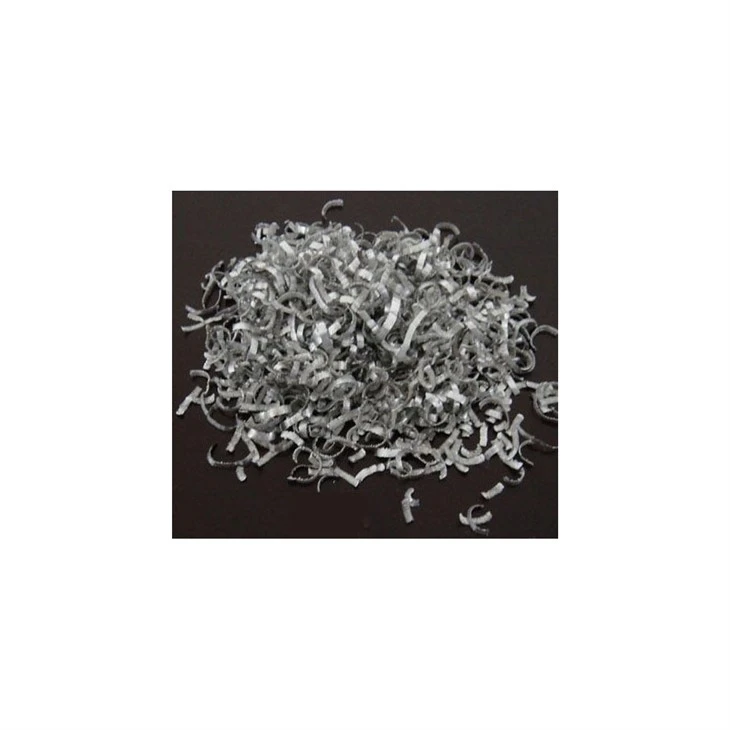
In addition to Ferro Manganese Low Carbon, we also offer related products like Good Sales Aluminized Magnesium Plate, Al - Mg Alloy Powder, and Magnesium Fragments (Mg, Purity :99.9%, Size: 2.5mm). These products can be used in combination with Ferro Manganese Low Carbon to further enhance the properties of steel or for other alloying applications.
Conclusion
In conclusion, Ferro Manganese Low Carbon has its unique place in the world of steelmaking. While other ferroalloys like Ferro Manganese High Carbon, Ferro Silicon, and Ferro Chromium have their own advantages, Ferro Manganese Low Carbon stands out for its ability to improve the mechanical properties of steel while maintaining tight control over carbon content.
If you're in the steelmaking industry and are looking for a reliable supplier of Ferro Manganese Low Carbon or any of our other products, I encourage you to reach out. We're always happy to discuss your specific needs and provide you with the best solutions. Whether you're producing high - end automotive parts or large - scale construction materials, our products can help you achieve the best results.
References
- "The Science of Steelmaking" - A comprehensive guide on the principles and processes of steelmaking.
- "Ferroalloys in Modern Metallurgy" - A book that delves into the role of different ferroalloys in the steel and metal industries.
- Industry reports from leading steelmaking associations.