

How does Ferro Silicon improve the corrosion resistance of metals?
Hey there! As a ferro silicon supplier, I've been getting a lot of questions lately about how ferro silicon can improve the corrosion resistance of metals. So, I thought I'd break it down for you in this blog post.
First off, let's talk about what corrosion is. Corrosion is basically the deterioration of a metal due to a chemical reaction with its environment. This can happen when metals are exposed to things like moisture, oxygen, and certain chemicals. Over time, corrosion can weaken the metal, causing it to lose its structural integrity and eventually fail.
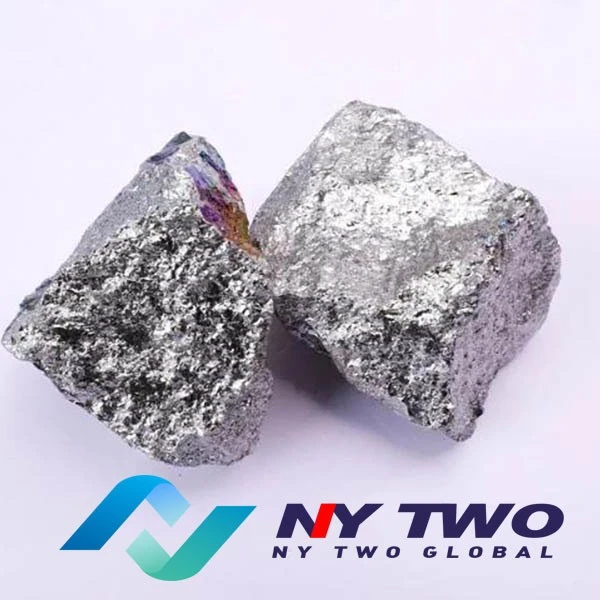
Now, let's get into how ferro silicon comes into play. Ferro silicon is an alloy made up of iron and silicon, and it's commonly used in the steel industry. When added to metals, ferro silicon can have a significant impact on their corrosion resistance. Here's how:
1. Formation of a Protective Oxide Layer
One of the main ways ferro silicon improves corrosion resistance is by helping to form a protective oxide layer on the surface of the metal. When ferro silicon is added to the metal, the silicon in the alloy reacts with oxygen in the environment to form a thin layer of silicon dioxide (SiO₂). This layer acts as a barrier, preventing further oxygen and moisture from reaching the metal surface and causing corrosion.
For example, in stainless steel, which is known for its excellent corrosion resistance, ferro silicon is often added to enhance the formation of this protective oxide layer. The silicon in the ferro silicon helps to create a more stable and adherent oxide layer, which provides better protection against corrosion.
2. Decrease in the Activity of the Metal
Another way ferro silicon improves corrosion resistance is by decreasing the activity of the metal. The silicon in the alloy can react with impurities in the metal, such as sulfur and phosphorus, to form compounds that are less reactive. This reduces the overall reactivity of the metal, making it less likely to corrode.
In addition, ferro silicon can also help to refine the grain structure of the metal. A finer grain structure can improve the mechanical properties of the metal, as well as its corrosion resistance. This is because a finer grain structure provides more grain boundaries, which can act as barriers to the diffusion of corrosive species.
3. Improvement in the Passivation of the Metal
Passivation is a process where a metal forms a thin, protective layer on its surface that makes it less reactive. Ferro silicon can help to improve the passivation of the metal by increasing the amount of chromium in the alloy. Chromium is a key element in the passivation process, as it forms a stable chromium oxide layer on the metal surface.
When ferro silicon is added to the metal, it can help to increase the solubility of chromium in the alloy, allowing more chromium to be present in the metal matrix. This, in turn, enhances the formation of the chromium oxide layer, improving the passivation of the metal and its corrosion resistance.
Real - World Applications
The benefits of using ferro silicon to improve corrosion resistance are evident in many real - world applications. For instance, in the construction industry, steel structures that are exposed to harsh environmental conditions, such as bridges and offshore platforms, often use ferro silicon - enhanced steel. This helps to ensure that the structures have a long service life and can withstand the effects of corrosion.
In the automotive industry, ferro silicon is used in the production of engine components and other parts that are exposed to high temperatures and corrosive substances. By improving the corrosion resistance of these parts, the overall reliability and durability of the vehicles are increased.
Other Related Alloys
If you're interested in other alloys that can work in tandem with ferro silicon to improve metal properties, you might want to check out some of these products. We also supply Magnesium Metal Powder (20 Mesh), 99.8%, which can be used in various alloying processes. Magnesium can also contribute to improving the corrosion resistance and mechanical properties of metals in some cases.
Another option is Magnesium Chips & Granules. These can be used in different metallurgical applications, and when combined with ferro silicon, they may offer enhanced performance for specific metal products.
And for those looking for an alloy with different properties, Medium Carbon Ferromanganese is a great choice. It can be used in steelmaking to adjust the carbon and manganese content, which can also have an impact on the corrosion resistance and other characteristics of the final metal product.
Conclusion
In conclusion, ferro silicon is a powerful tool when it comes to improving the corrosion resistance of metals. Through the formation of a protective oxide layer, decreasing the activity of the metal, and improving passivation, ferro silicon can significantly enhance the durability and reliability of metal products.
If you're in the market for high - quality ferro silicon or any of the related alloys I mentioned, I'd love to have a chat with you. Whether you're a small - scale manufacturer or a large industrial player, we can work together to find the right solutions for your needs. So, don't hesitate to reach out for a procurement discussion. Let's make your metal products more corrosion - resistant and long - lasting!
References
- ASM Handbook Committee. (2004). ASM Handbook, Volume 13A: Corrosion: Fundamentals, Testing, and Protection. ASM International.
- Davis, J. R. (Ed.). (1999). Stainless Steels. ASM International.
- Uhlig, H. H., & Revie, R. W. (1985). Corrosion and Corrosion Control: An Introduction to Corrosion Science and Engineering. John Wiley & Sons.