

How does High Carbon Ferro Manganese affect the weldability of steel?
High carbon ferro manganese (HCFeMn) is a crucial alloying agent in the steelmaking industry, renowned for its ability to enhance various properties of steel. As a supplier of high carbon ferro manganese, I have witnessed firsthand its impact on the weldability of steel. In this blog, I will delve into the ways in which high carbon ferro manganese affects the weldability of steel, exploring both the positive and negative aspects.
Understanding High Carbon Ferro Manganese
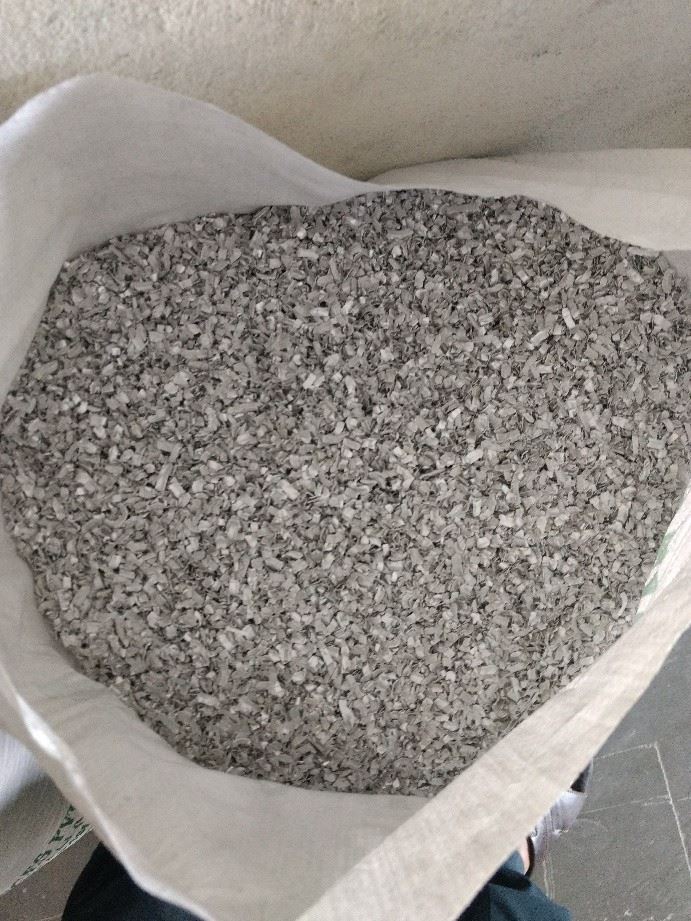
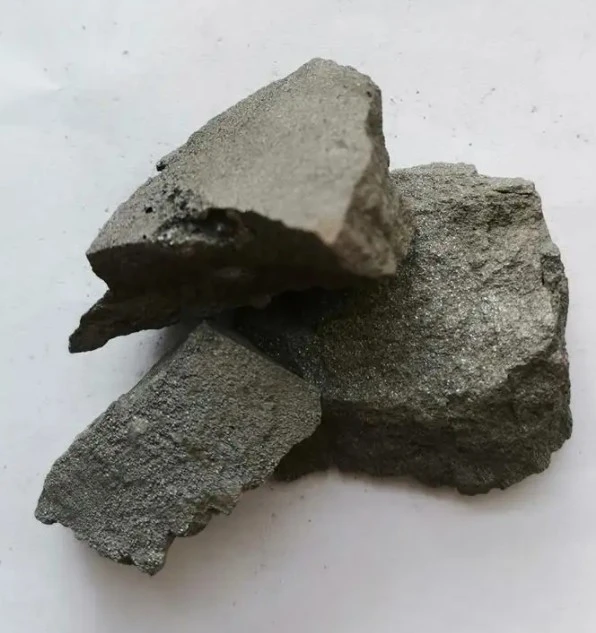
Before discussing its impact on weldability, it's essential to understand what high carbon ferro manganese is. High carbon ferro manganese is an alloy composed primarily of manganese (Mn), carbon (C), and iron (Fe). It typically contains between 70% - 80% manganese, 6% - 8% carbon, and the remainder being iron and trace elements. The high manganese content makes it an effective deoxidizer and desulfurizer in steelmaking, while the carbon contributes to the hardness and strength of the steel.
Positive Effects on Weldability
Deoxidation and Desulfurization
One of the primary roles of high carbon ferro manganese in steelmaking is deoxidation and desulfurization. During the welding process, oxygen and sulfur can have detrimental effects on the quality of the weld. Oxygen can react with iron to form iron oxide, which can lead to porosity and reduced mechanical properties in the weld. Sulfur, on the other hand, can cause hot cracking in the weld metal.
High carbon ferro manganese acts as a powerful deoxidizer, reacting with oxygen to form manganese oxide (MnO), which can be easily removed from the molten steel. It also combines with sulfur to form manganese sulfide (MnS), which has a higher melting point and is less likely to cause hot cracking. By reducing the oxygen and sulfur content in the steel, high carbon ferro manganese improves the cleanliness of the weld metal, resulting in better weld quality and increased weldability.
Grain Refinement
Manganese in high carbon ferro manganese also plays a crucial role in grain refinement. During the solidification of the weld metal, the presence of manganese can refine the grain structure, which is beneficial for weldability. A fine-grained structure provides better mechanical properties, such as higher strength and toughness, and reduces the susceptibility to cracking.
Grain refinement occurs because manganese can act as a heterogeneous nucleation site during solidification, promoting the formation of a large number of small grains instead of a few large grains. This fine-grained structure also improves the resistance to fatigue and corrosion, making the weld more durable and reliable.
Strengthening of the Weld Metal
The carbon in high carbon ferro manganese contributes to the strengthening of the weld metal. Carbon is a potent hardening element in steel, and when added in the right amount, it can increase the strength and hardness of the weld. This is particularly important in applications where high strength is required, such as in structural steel and heavy machinery.
However, it's important to note that excessive carbon content can also have negative effects on weldability, which will be discussed in the next section. When used in appropriate amounts, the combination of carbon and manganese in high carbon ferro manganese can provide a good balance between strength and weldability.
Negative Effects on Weldability
Increased Hardness and Brittleness
While carbon can strengthen the weld metal, an excessive amount of carbon in high carbon ferro manganese can lead to increased hardness and brittleness in the weld. High hardness can make the weld more susceptible to cracking, especially during the cooling process when the weld metal undergoes thermal contraction.
Brittle welds are also more likely to fail under stress, reducing the overall reliability of the welded structure. Therefore, it's crucial to carefully control the carbon content in the steel and the high carbon ferro manganese addition to ensure that the hardness and brittleness are within acceptable limits.
Hydrogen Embrittlement
Another potential issue associated with high carbon ferro manganese is hydrogen embrittlement. Hydrogen can be introduced into the weld metal during the welding process, for example, from moisture in the welding electrodes or shielding gas. In the presence of high carbon and manganese, hydrogen can diffuse into the steel lattice and cause embrittlement, leading to sudden and catastrophic failure of the weld.
To mitigate the risk of hydrogen embrittlement, proper preheating and post-weld heat treatment can be employed to reduce the hydrogen content in the weld metal. Additionally, using low-hydrogen welding consumables and ensuring a dry welding environment can also help minimize the problem.
Controlling the Impact of High Carbon Ferro Manganese on Weldability
To maximize the positive effects of high carbon ferro manganese on weldability while minimizing the negative impacts, several factors need to be considered.
Alloy Composition Control
As a supplier of high carbon ferro manganese, we ensure that the alloy composition is carefully controlled to meet the specific requirements of our customers. By adjusting the manganese and carbon content, we can provide high carbon ferro manganese that is tailored to different steel grades and welding applications.
For example, in applications where high strength is required but weldability is also a concern, we can offer high carbon ferro manganese with a lower carbon content to reduce the risk of cracking and embrittlement. On the other hand, for applications where deoxidation and desulfurization are the primary goals, a higher manganese content may be more suitable.
Welding Process Optimization
The choice of welding process and parameters also plays a crucial role in controlling the impact of high carbon ferro manganese on weldability. Different welding processes, such as shielded metal arc welding (SMAW), gas metal arc welding (GMAW), and submerged arc welding (SAW), have different characteristics and can affect the weldability of the steel in different ways.
For example, some welding processes may introduce more hydrogen into the weld metal, while others may provide better control over the heat input. By optimizing the welding process and parameters, such as welding current, voltage, and travel speed, we can minimize the negative effects of high carbon ferro manganese and ensure high-quality welds.
Conclusion
High carbon ferro manganese has a significant impact on the weldability of steel, both positive and negative. On the positive side, it acts as a deoxidizer and desulfurizer, refines the grain structure, and strengthens the weld metal. However, excessive carbon content can lead to increased hardness and brittleness, and the presence of hydrogen can cause embrittlement.
As a supplier of high carbon ferro manganese, we are committed to providing our customers with high-quality products and technical support to help them optimize the use of high carbon ferro manganese in their steelmaking and welding processes. By carefully controlling the alloy composition and working closely with our customers to optimize the welding process, we can ensure that the benefits of high carbon ferro manganese are maximized while minimizing the potential negative impacts on weldability.
If you are interested in purchasing high carbon ferro manganese or have any questions about its application in steel welding, please feel free to [initiate a contact for procurement discussions]. We look forward to working with you to meet your specific needs.
References
- [Author, A. (Year). Title of the Book. Publisher.]
- [Author, B. (Year). Title of the Journal Article. Journal Name, Volume(Issue), Page Numbers.]
- [Author, C. (Year). Title of the Conference Paper. Conference Name, Location, Date.]