

How does the addition sequence of Ferro Manganese Low Carbon affect steel quality?
As a supplier of Ferro Manganese Low Carbon, I've witnessed firsthand the crucial role this alloy plays in the steel - making process. The addition sequence of Ferro Manganese Low Carbon is not a trivial matter; it has a profound impact on the quality of the final steel product.
The Basics of Ferro Manganese Low Carbon in Steel - Making
Ferro Manganese Low Carbon is an alloy composed mainly of iron, manganese, and a relatively low amount of carbon. Manganese is a key element in steel - making. It helps to deoxidize the steel, removing oxygen that can cause porosity and other defects. It also combines with sulfur, a common impurity in steel, to form manganese sulfide (MnS). This prevents the formation of iron sulfide (FeS), which has a low melting point and can lead to hot - shortness in steel during rolling or forging operations.
The low carbon content in Ferro Manganese Low Carbon is significant. In applications where low - carbon steel is required, such as in the production of automotive body panels or electrical steels, the use of this alloy helps to maintain the desired carbon level in the steel.
The Impact of Addition Sequence on Deoxidation
One of the primary functions of Ferro Manganese Low Carbon is deoxidation. When added at the right time in the steel - making process, it can effectively remove oxygen from the molten steel.
If Ferro Manganese Low Carbon is added too early, it may react with other elements in the furnace atmosphere before it can fully interact with the oxygen in the steel. For example, in an open - hearth furnace, early addition may cause manganese to react with nitrogen in the air, forming manganese nitride. This not only reduces the amount of available manganese for deoxidation but can also introduce unwanted nitride inclusions in the steel, which can weaken its mechanical properties.
On the other hand, if it is added too late, the oxygen in the steel may have already formed stable oxides with other elements. These oxides are more difficult to remove, and the deoxidation process may be less efficient. As a result, the steel may still contain a relatively high level of oxygen, leading to porosity and reduced ductility.
Influence on Sulfur Control
Sulfur is an impurity in steel that can have a detrimental effect on its properties. As mentioned earlier, manganese in Ferro Manganese Low Carbon combines with sulfur to form MnS. The addition sequence of this alloy is crucial for effective sulfur control.
When added early in the steel - making process, Ferro Manganese Low Carbon can react with sulfur as soon as it is present in the molten steel. This ensures that most of the sulfur is converted into MnS, which has a more favorable shape and distribution in the steel matrix compared to FeS. Well - dispersed MnS inclusions are less likely to cause cracking during processing.
However, if the addition is delayed, sulfur may form FeS first. FeS has a lower melting point and can cause the steel to become brittle at high temperatures. Once FeS is formed, it is more difficult to convert it into MnS, and the steel may be prone to hot - shortness during hot - working operations.
Effects on Grain Structure
The addition sequence of Ferro Manganese Low Carbon can also influence the grain structure of the steel. Manganese in the alloy can act as a grain - refiner. When added at an appropriate stage, it can promote the formation of a fine - grained structure in the steel.
A fine - grained steel generally has better mechanical properties, such as higher strength and toughness. If Ferro Manganese Low Carbon is added too early, the manganese may be consumed in other reactions before it can effectively refine the grain structure. Conversely, if added too late, the steel may have already solidified to a large extent, and the ability of manganese to refine the grains is limited.
Case Studies
Let's take a look at some real - world examples. In a large - scale steel plant producing high - strength low - alloy (HSLA) steel, they initially added Ferro Manganese Low Carbon at the beginning of the melting process in an electric arc furnace. The resulting steel had a relatively high level of inclusions, and the mechanical properties did not meet the specifications. After analyzing the process, they adjusted the addition sequence and added the alloy during the ladle refining stage. This change led to better deoxidation, more effective sulfur control, and a finer grain structure. The quality of the HSLA steel improved significantly, with higher tensile strength and better ductility.
Another case involves a specialty steel producer making stainless steel. They found that adding Ferro Manganese Low Carbon too late in the process resulted in uneven distribution of manganese in the steel. This led to variations in the corrosion resistance of the final product. By optimizing the addition sequence and adding the alloy at an earlier stage in the argon - oxygen decarburization (AOD) process, they were able to achieve a more uniform distribution of manganese, improving the overall corrosion resistance of the stainless steel.
Related Products and Their Significance
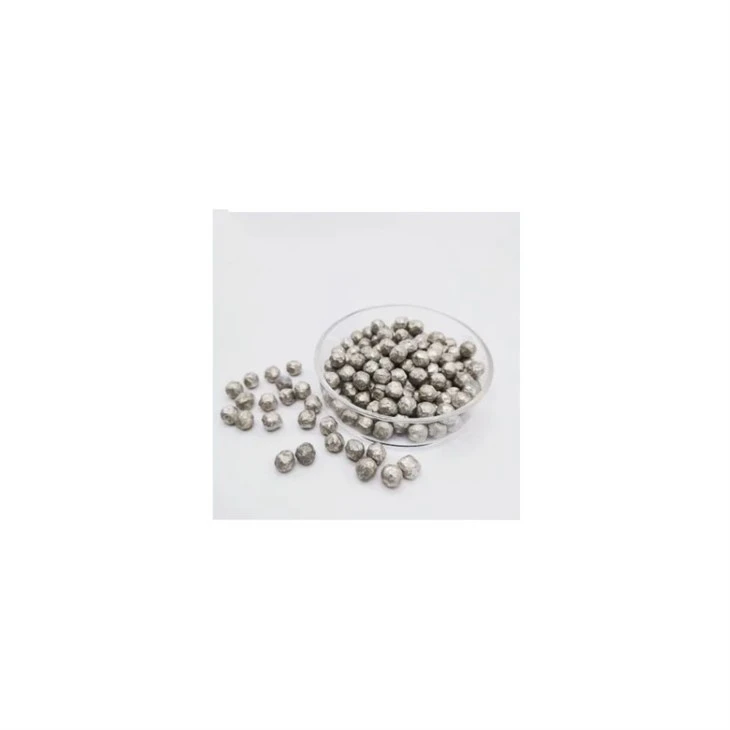
In addition to Ferro Manganese Low Carbon, there are other important alloys and materials in the steel - making industry. For example, the High Purity 99.9% Silver White Magnesium Granule can be used as a strong deoxidizer and desulfurizer. Magnesium has a high affinity for oxygen and sulfur, and when used in combination with Ferro Manganese Low Carbon, it can further improve the quality of the steel.
Alumina, The Key Ingredient in Calcined Bauxite is also an important material. Alumina can be used as a refractory material in the lining of steel - making furnaces. It can withstand high temperatures and chemical attacks, ensuring the smooth operation of the steel - making process.
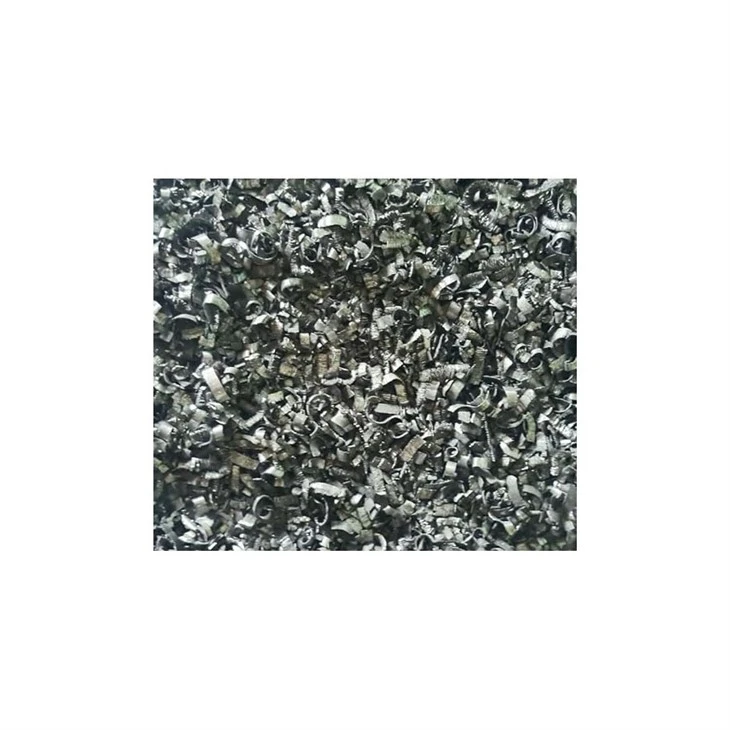
Wholesale Industrial Silicates Passivated Magnesium Turning Chips Manufacturers Direct offers passivated magnesium turning chips that can be used in the production of special steels. These chips can be added to the molten steel to introduce magnesium in a controlled manner, which is beneficial for refining the grain structure and improving the mechanical properties of the steel.
Conclusion
In conclusion, the addition sequence of Ferro Manganese Low Carbon is a critical factor in determining the quality of steel. It affects deoxidation, sulfur control, and grain structure, all of which are essential for the mechanical and chemical properties of the final steel product. As a supplier of Ferro Manganese Low Carbon, I understand the importance of providing our customers with not only high - quality products but also technical support on the proper use of these alloys.
If you are in the steel - making industry and are looking for a reliable supplier of Ferro Manganese Low Carbon or want to discuss how to optimize the addition sequence in your steel - making process, please feel free to contact us for further information and procurement discussions. We are committed to helping you produce high - quality steel products.
References
- Sims, C. T., & Hagel, W. C. (Eds.). (1972). The Superalloys. Wiley - Interscience.
- Lux, B. (2001). Steel - making Processes. John Wiley & Sons.
- Bhadeshia, H. K. D. H., & Honeycombe, R. W. K. (2006). Steel: Microstructure and Properties. Elsevier.