

How does the composition of refractory materials affect their properties?
Refractory materials are essential in various high - temperature industries, such as steelmaking, cement production, and glass manufacturing. Their ability to withstand extreme heat, chemical corrosion, and mechanical stress is crucial for the efficiency and safety of industrial processes. The composition of refractory materials plays a fundamental role in determining their properties. As a refractory supplier, I have witnessed firsthand how different compositions lead to diverse performance characteristics in these materials.
Chemical Composition and High - Temperature Resistance
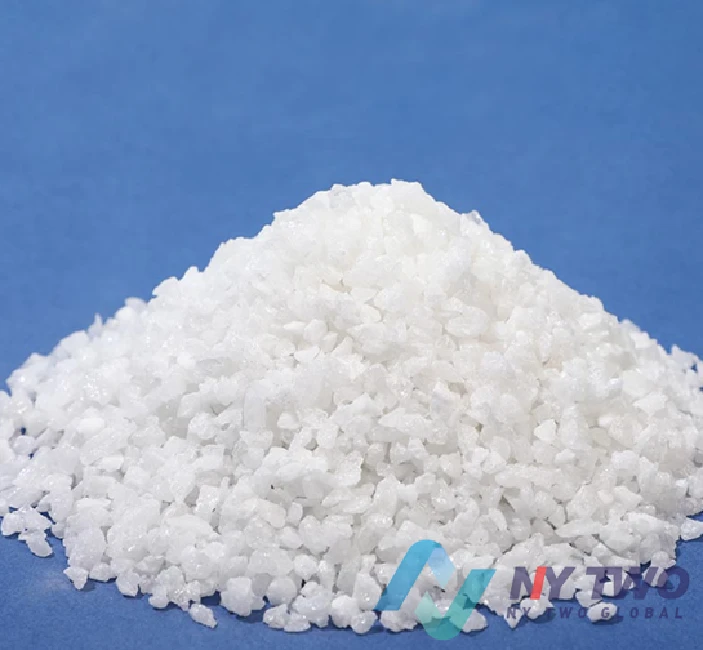
The chemical composition of refractory materials is the primary factor influencing their high - temperature resistance. Oxides are the most common components in refractory materials. Alumina (Al₂O₃), for example, is a widely used refractory oxide. High - alumina refractories have excellent thermal stability and can withstand temperatures up to 1800°C. The Tabular Alumina T60/t64 we supply is a prime example. It is made by calcining high - purity alumina at a very high temperature, resulting in a dense and stable crystal structure. This structure provides high thermal conductivity and low thermal expansion, which are crucial for withstanding rapid temperature changes without cracking.
Silica (SiO₂) is another important oxide in refractory materials. Silica - based refractories are commonly used in the glass industry due to their good resistance to glass corrosion. However, silica has a relatively low melting point compared to alumina, and its performance at extremely high temperatures is limited. When combined with other oxides, such as alumina, the properties of silica - based refractories can be significantly improved. For instance, alumina - silica refractories offer a balance between high - temperature resistance and cost - effectiveness, making them suitable for a wide range of applications.
Magnesia (MgO) is also a key component in refractory materials. Magnesia - based refractories have excellent resistance to basic slags, which are commonly encountered in steelmaking processes. The Magnesium Chips Mg Silvery White we provide can be used as a raw material for producing magnesia - based refractories. Magnesia has a high melting point and good thermal shock resistance, which allows it to maintain its structural integrity under harsh conditions.
Mineralogical Composition and Physical Properties
The mineralogical composition of refractory materials has a direct impact on their physical properties, such as density, porosity, and strength. Different minerals have different crystal structures and packing densities, which affect the overall density of the refractory material. For example, materials with a high content of dense minerals like corundum (a crystalline form of alumina) tend to have a higher density. A higher density generally means better resistance to abrasion and erosion, which is important in applications where the refractory material is exposed to high - velocity gas or liquid flow.
Porosity is another critical physical property. Refractory materials can be classified as either dense or porous based on their porosity. Dense refractories have low porosity, typically less than 10%. They offer high strength and good resistance to chemical attack. On the other hand, porous refractories have a higher porosity, which can range from 10% to 50%. Porous refractories are often used for insulation purposes because the pores trap air, which is a poor conductor of heat.
The strength of refractory materials is also closely related to their mineralogical composition. The presence of strong inter - granular bonds between minerals contributes to high strength. For example, in alumina - based refractories, the formation of a continuous corundum network provides high mechanical strength. Additionally, the addition of certain additives can enhance the strength of refractory materials. For instance, zirconia (ZrO₂) can be added to alumina - silica refractories to improve their strength and thermal shock resistance.
Impurities and Their Effects on Properties
Impurities in refractory materials can have both positive and negative effects on their properties. Some impurities can act as fluxes, which lower the melting point of the refractory material. This can be beneficial in some cases, such as when a lower melting point is required for better sintering during the manufacturing process. However, excessive impurities can also lead to a decrease in the high - temperature performance of the refractory material.
For example, iron oxide (Fe₂O₃) is a common impurity in refractory materials. In small amounts, iron oxide can enhance the sintering process and improve the strength of the refractory material. However, in large amounts, iron oxide can react with other components in the refractory material at high temperatures, forming low - melting - point phases. These low - melting - point phases can cause the refractory material to soften and lose its structural integrity, reducing its service life.
Sulfur and phosphorus are also impurities that can have a negative impact on the properties of refractory materials. They can react with the refractory material and the surrounding environment, leading to corrosion and degradation. Therefore, it is important to control the impurity content in refractory materials to ensure their optimal performance.
Organic Additives and Their Role
In addition to inorganic components, organic additives are often used in refractory materials to improve their processing and performance. Organic additives can act as binders, plasticizers, or antioxidants. Binders are used to hold the refractory particles together during the manufacturing process. For example, starch, dextrin, and phenolic resins are commonly used as binders in refractory materials. They provide temporary strength to the green body (the un - fired refractory material), allowing it to be shaped and handled before firing.
Plasticizers are added to improve the plasticity of the refractory material, making it easier to form into the desired shape. They can also reduce the water content required for mixing, which helps to improve the drying and firing characteristics of the refractory material. Antioxidants are used to prevent the oxidation of certain components in the refractory material, especially in reducing atmospheres. For example, ATH(Flame) can be used as an antioxidant in some refractory materials to protect them from oxidation at high temperatures.
Impact of Composition on Chemical Resistance
The chemical resistance of refractory materials is crucial in applications where they are exposed to corrosive substances, such as slags, acids, and alkalis. The composition of the refractory material determines its ability to resist chemical attack. For example, acidic refractories, such as silica - based refractories, are resistant to acidic slags but are easily attacked by basic slags. Basic refractories, such as magnesia - based refractories, have the opposite behavior. They are resistant to basic slags but are vulnerable to acidic slags.
Neutral refractories, such as alumina - based refractories, offer a more balanced chemical resistance. They can withstand both acidic and basic environments to a certain extent. The choice of refractory material depends on the specific chemical environment in which it will be used. For example, in a steelmaking furnace, where the slag is mainly basic, magnesia - based refractories are often used to resist the corrosion of the basic slag.
Conclusion
In conclusion, the composition of refractory materials has a profound impact on their properties. The chemical composition determines the high - temperature resistance, the mineralogical composition affects the physical properties, impurities can either enhance or degrade the performance, organic additives improve processing and performance, and the composition also influences the chemical resistance of the refractory material. As a refractory supplier, we understand the importance of providing high - quality refractory materials with the right composition for different applications.
If you are in need of refractory materials for your industrial processes, we are here to help. Our team of experts can assist you in selecting the most suitable refractory materials based on your specific requirements. Whether you need Tabular Alumina T60/t64, ATH(Flame), or Magnesium Chips Mg Silvery White, we have the products and knowledge to meet your needs. Contact us today to start a procurement discussion and find the best refractory solutions for your business.
References
- Schneider, H., Schwotzer, W., & Somers, J. (2008). Refractories Handbook. Wiley - VCH Verlag GmbH & Co. KGaA.
- Quian, J., & Zhang, W. (2013). Refractory Materials: Principles and Applications. Elsevier.
- Sarpoolaky, H., & Monteiro, P. J. M. (2015). Refractory Ceramics: Materials, Processing, and Applications. Springer.