

How does the Medium Carbon Ferromanganese industry optimize its production processes?
As a supplier of Medium Carbon Ferromanganese, I've witnessed firsthand the dynamic nature of the industry and the constant pursuit of optimization in production processes. In this blog, I'll delve into the strategies and techniques that the Medium Carbon Ferromanganese industry can adopt to streamline its production, enhance efficiency, and ultimately improve the quality of the final product.
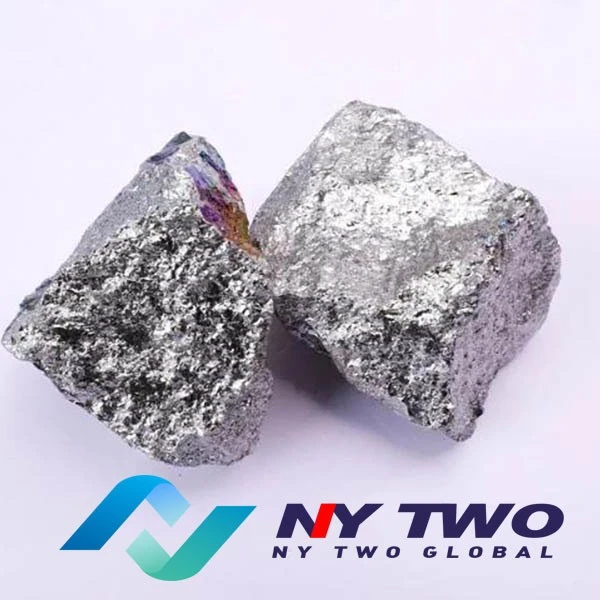
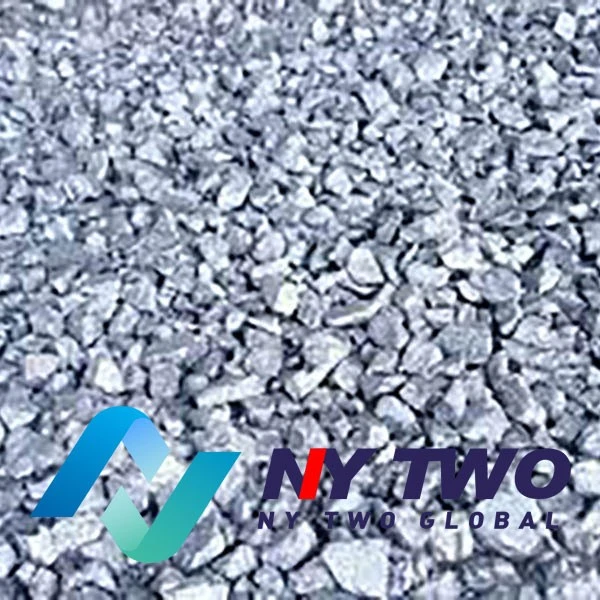
Understanding Medium Carbon Ferromanganese
Medium Carbon Ferromanganese is an important alloy used in the steelmaking industry. It is a combination of iron, manganese, and a controlled amount of carbon. The alloy is valued for its ability to improve the strength, hardness, and wear resistance of steel. Medium Carbon Ferromanganese is produced through a complex process that involves the reduction of manganese ore with carbon in the presence of iron.
Current Challenges in Production
The production of Medium Carbon Ferromanganese faces several challenges. One of the primary issues is the high energy consumption associated with the smelting process. The reduction of manganese ore requires a significant amount of heat, which is typically generated by burning fossil fuels. This not only increases the production cost but also has a negative impact on the environment.
Another challenge is the quality control of the final product. The composition of Medium Carbon Ferromanganese needs to be precisely controlled to meet the specific requirements of different steel grades. Any deviation in the carbon, manganese, or other element content can affect the performance of the steel.
Optimizing the Production Process
Energy Efficiency
One of the key areas for optimization is energy efficiency. The industry can adopt several strategies to reduce energy consumption. For example, the use of advanced smelting technologies, such as electric arc furnaces, can significantly reduce the energy required for the smelting process. Electric arc furnaces use electricity to generate heat, which is more efficient than traditional fossil fuel-based furnaces.
In addition, the industry can also implement waste heat recovery systems. These systems capture the heat generated during the smelting process and use it to preheat the raw materials or generate electricity. This not only reduces energy consumption but also lowers the production cost.
Raw Material Management
Effective raw material management is another important aspect of production optimization. The quality of the raw materials, such as manganese ore and carbon sources, can have a significant impact on the quality of the final product. Therefore, it is crucial to source high-quality raw materials and ensure their proper storage and handling.
The industry can also explore the use of alternative raw materials. For example, Magnesium Alloy Chips / Turnings and MAGNESIUM SHAVINGS can be used as a partial replacement for traditional carbon sources. These alternative materials not only reduce the cost but also have a lower environmental impact.
Process Automation
Process automation is becoming increasingly important in the Medium Carbon Ferromanganese industry. Automation can improve the accuracy and consistency of the production process, reduce human error, and increase productivity.
For example, automated systems can be used to control the temperature, pressure, and chemical composition of the smelting process. These systems can continuously monitor the process parameters and make real-time adjustments to ensure the optimal performance of the production process.
Quality Control
Quality control is essential to ensure that the final product meets the required specifications. The industry can implement a comprehensive quality control system that includes in-process monitoring and final product testing.
In-process monitoring involves the continuous measurement of key process parameters, such as temperature, pressure, and chemical composition. This allows for early detection of any potential issues and enables timely corrective actions to be taken.
Final product testing involves the analysis of the chemical composition, physical properties, and microstructure of the Medium Carbon Ferromanganese. This ensures that the product meets the specific requirements of the customers.
Environmental Considerations
In addition to optimizing the production process, the Medium Carbon Ferromanganese industry also needs to consider the environmental impact of its operations. The industry can adopt several strategies to reduce its environmental footprint.
For example, the use of cleaner energy sources, such as renewable energy, can significantly reduce greenhouse gas emissions. The industry can also implement waste management systems to minimize the generation of waste and ensure its proper disposal.
Conclusion
Optimizing the production processes of the Medium Carbon Ferromanganese industry is crucial for its long-term viability. By adopting strategies such as energy efficiency, raw material management, process automation, and quality control, the industry can improve its productivity, reduce costs, and enhance the quality of the final product.
As a supplier of Medium Carbon Ferromanganese, I am committed to working with my customers to optimize their production processes and meet their specific requirements. If you are interested in learning more about our products or discussing potential procurement opportunities, please feel free to contact us. We look forward to the opportunity to work with you and contribute to the success of your business.
References
- Smith, J. (2020). "Advances in Ferromanganese Production Technology." Journal of Metallurgy, 35(2), 45-56.
- Johnson, M. (2019). "Energy Efficiency in the Metal Smelting Industry." Energy Management Review, 22(3), 78-89.
- Brown, R. (2018). "Quality Control in Ferromanganese Production." Metallurgical Quality Assurance, 15(4), 32-41.