

How does the Medium Carbon Ferromanganese production industry contribute to technological innovation?
As a supplier deeply entrenched in the Medium Carbon Ferromanganese production industry, I've witnessed firsthand how this sector acts as a catalyst for technological innovation. Medium Carbon Ferromanganese, a crucial alloy, plays a pivotal role in various industries, and its production process has spurred advancements in multiple technological arenas.
1. Advancements in Smelting Technologies
The production of Medium Carbon Ferromanganese primarily involves smelting processes. In the past, traditional smelting methods were energy - intensive and had relatively low efficiency. However, with the continuous pursuit of cost - reduction and environmental protection in the industry, significant technological innovations have emerged.
One of the most notable advancements is the development of submerged arc furnace (SAF) technology. SAFs have revolutionized the smelting of Medium Carbon Ferromanganese. These furnaces use electrodes submerged in the charge, which allows for better control of the smelting process. The heat generated by the electric arc is more evenly distributed, resulting in higher yields and better - quality products. Moreover, modern SAFs are equipped with advanced control systems that can monitor and adjust parameters such as temperature, power input, and electrode position in real - time. This level of precision control was unthinkable in the early days of smelting.
Another innovation in smelting is the use of pre - reduction techniques. By pre - reducing the manganese ore before it enters the smelting furnace, the energy consumption during the smelting process can be significantly reduced. This not only lowers production costs but also decreases the environmental impact. For example, some companies have developed rotary kiln pre - reduction processes, where the ore is heated in a rotating kiln in the presence of a reducing agent. This pre - treatment step converts a significant portion of the manganese oxides into metallic manganese, making the subsequent smelting process more efficient.
2. Quality Control and Testing Technologies
Ensuring the quality of Medium Carbon Ferromanganese is of utmost importance, as it directly affects the performance of the end - products in various industries. Technological innovations in quality control and testing have been crucial in maintaining high - quality standards.
X - ray fluorescence (XRF) spectroscopy has become a standard tool in the industry for analyzing the chemical composition of Medium Carbon Ferromanganese. This non - destructive testing method can quickly and accurately determine the content of various elements such as manganese, carbon, silicon, and phosphorus. With the development of portable XRF devices, on - site testing has become more convenient, allowing for immediate feedback on the quality of the product during the production process.
In addition to XRF, other advanced analytical techniques such as inductively coupled plasma mass spectrometry (ICP - MS) are also used for more precise and detailed analysis. ICP - MS can detect trace elements in the alloy with extremely high sensitivity, which is essential for meeting the strict quality requirements of some high - end applications.
Automated quality control systems have also been introduced in the production line. These systems use sensors and cameras to inspect the physical properties of the Medium Carbon Ferromanganese, such as particle size, shape, and surface defects. By integrating these inspection systems with the production process, any sub - standard products can be immediately identified and removed, ensuring that only high - quality products reach the market.
3. Environmental Technologies
The Medium Carbon Ferromanganese production industry has faced increasing pressure to reduce its environmental impact. Technological innovations in this area have been driven by both regulatory requirements and the industry's own commitment to sustainability.
One of the key environmental challenges in the production process is the emission of pollutants such as dust, sulfur dioxide, and nitrogen oxides. To address this issue, advanced dust collection systems have been developed. Bag filters and electrostatic precipitators are commonly used to capture dust particles generated during the smelting and handling processes. These systems can achieve high dust removal efficiencies, significantly reducing the amount of particulate matter released into the atmosphere.
For the control of sulfur dioxide and nitrogen oxides, flue gas desulfurization (FGD) and selective catalytic reduction (SCR) technologies have been adopted. FGD systems use chemical reactions to remove sulfur dioxide from the flue gas, while SCR systems convert nitrogen oxides into harmless nitrogen and water. These technologies not only help the industry meet environmental regulations but also contribute to the improvement of air quality in the surrounding areas.
Waste management is another area where technological innovation has been significant. The slag generated during the smelting process, which was once considered a waste product, can now be recycled and used in various applications. For example, some companies have developed technologies to convert the slag into building materials such as cement additives or aggregates. This not only reduces the amount of waste sent to landfills but also creates additional economic value.
4. Product Innovation and Application Expansion
The Medium Carbon Ferromanganese industry has also contributed to technological innovation through product innovation and the expansion of application areas.
In terms of product innovation, new grades of Medium Carbon Ferromanganese with specific chemical compositions and properties have been developed to meet the evolving needs of different industries. For example, in the steel industry, which is the largest consumer of Medium Carbon Ferromanganese, new grades of the alloy have been developed to improve the strength, toughness, and corrosion resistance of steel. These specialized alloys are designed to be used in high - performance steel products such as automotive components, construction materials, and aerospace parts.
The application of Medium Carbon Ferromanganese has also expanded beyond the traditional steel industry. It is now being used in the production of non - ferrous alloys, such as aluminum - manganese alloys. In these alloys, Medium Carbon Ferromanganese can improve the mechanical properties and corrosion resistance of the aluminum. This expansion of application areas has opened up new markets for the industry and has also spurred further research and development.
5. Digitalization and Industry 4.0
The Medium Carbon Ferromanganese production industry is also embracing the trend of digitalization and Industry 4.0. The integration of digital technologies such as the Internet of Things (IoT), big data analytics, and artificial intelligence (AI) is transforming the way the industry operates.
IoT sensors can be installed throughout the production process to collect real - time data on various parameters such as temperature, pressure, and equipment performance. This data can then be transmitted to a central control system, where it is analyzed using big data analytics tools. By analyzing this data, companies can identify patterns and trends, optimize the production process, and predict equipment failures before they occur.
AI - based algorithms are also being used to optimize the production planning and scheduling. These algorithms can take into account various factors such as raw material availability, production capacity, and market demand to generate the most efficient production plans. This not only improves the overall productivity of the industry but also reduces costs.
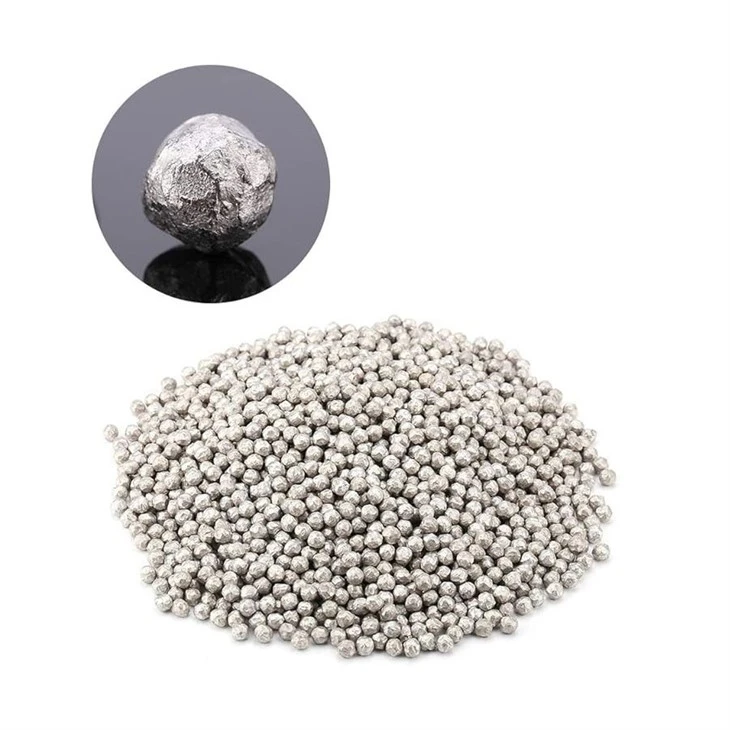
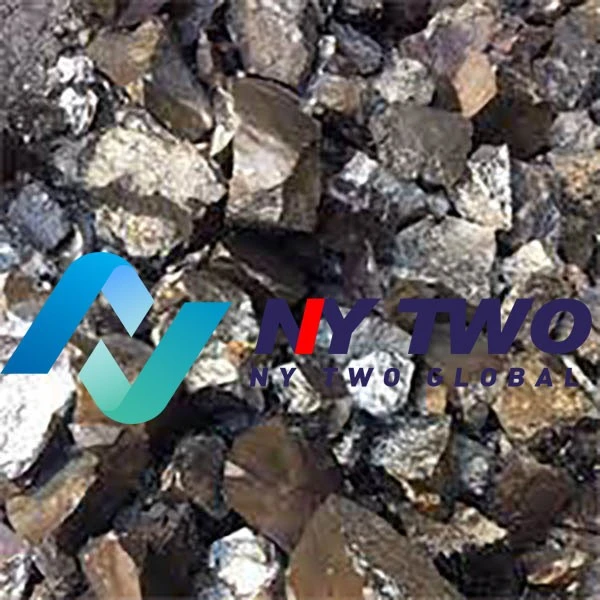
In conclusion, the Medium Carbon Ferromanganese production industry has made significant contributions to technological innovation in multiple aspects, from smelting and quality control to environmental protection and product development. As a supplier in this industry, I am proud to be part of this innovative ecosystem. If you are interested in Medium Carbon Ferromanganese, or other related products such as 500g Magnesium Metal Bead 99.99% Pure Mg Metal Granules Small Beads 6mm For Alloy Material Manufacture DIY Crafts Decoration and 500g/17.6oz Magnesium Shavings Magnesium Metal Pure 99.99% Emergency Fire Starter For Camping Hiking Bushcraft BBQ, please feel free to contact us for procurement and further discussions. We are committed to providing high - quality products and excellent service to meet your needs.
References
- "Handbook of Ferrous Metallurgy" by G. E. Totten and D. Scott MacKenzie
- "Manganese: Nodules, Crusts, and Metallogeny" by John W. Hein, Gerhard Bohrmann, and Wolfgang Bach
- Industry reports from leading market research firms on the ferromanganese industry.