

How to apply refractory coatings?
Applying refractory coatings is a crucial process in various industries, especially those dealing with high - temperature environments such as metallurgy, ceramics, and glass manufacturing. As a refractory supplier, I am well - versed in the techniques and best practices for applying refractory coatings. In this blog, I will share detailed steps and considerations to ensure a successful application.
Understanding Refractory Coatings
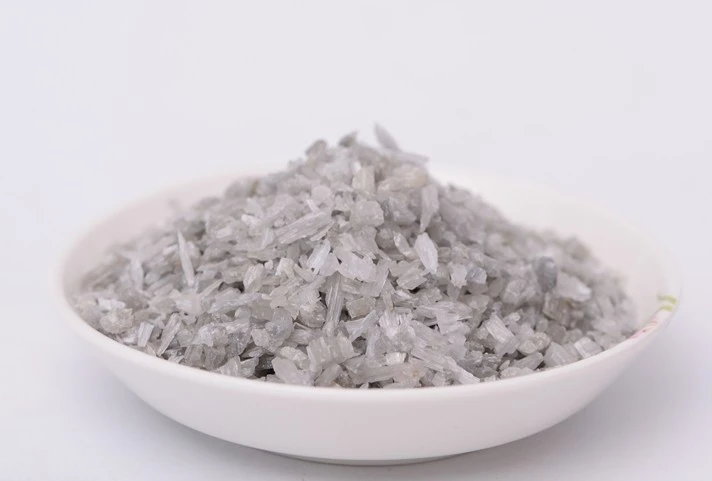
Refractory coatings are materials designed to protect substrates from high temperatures, corrosion, abrasion, and chemical attacks. They are made from a variety of substances, including Electric Melt Mullite, brown fused alumina, and other high - performance ceramics. These coatings can significantly extend the lifespan of equipment and structures exposed to harsh industrial conditions.
Pre - application Preparations
Before applying the refractory coating, thorough preparations are essential.
Surface Preparation
The surface to be coated must be clean, dry, and free of contaminants such as oil, grease, rust, and loose particles. Any irregularities on the surface, like bumps or cracks, should be smoothed or repaired. This can be achieved through various methods:
- Mechanical Cleaning: Use sandblasting, grinding, or wire brushing to remove surface debris. Sandblasting is particularly effective for large - scale projects as it can quickly and uniformly clean the surface.
- Chemical Cleaning: Solvents can be used to remove oil and grease. However, it's important to ensure that the solvent is fully evaporated before proceeding with the coating.
It's also crucial to inspect the surface for any signs of damage. If there are cracks or holes, they should be filled with a suitable refractory filler material.
Material Selection
Based on the specific requirements of your application, choose the appropriate refractory coating. Consider factors such as the maximum temperature the coating will be exposed to, the chemical environment, and the required abrasion resistance. Electric Melt Mullite is an excellent choice for high - temperature applications due to its high melting point and good thermal shock resistance. Brown Fused Alumina Micro Powder Is Available in Different Sizes can be incorporated into coatings to enhance abrasion resistance.
Equipment Preparation
Gather all the necessary equipment for the application process. This may include brushes, spray guns, rollers, and mixing tools. Ensure that all equipment is clean and in good working condition. If using a spray gun, check the nozzle size and pressure settings according to the manufacturer's recommendations.
Mixing the Refractory Coating
Accurate mixing of the refractory coating is vital for achieving the desired performance. Follow these steps:
- Read the Instructions: Carefully read the manufacturer's instructions regarding the mixing ratio of the powder and liquid components (if applicable). Different refractory coatings have different requirements.
- Use a Clean Container: Use a clean and dry container to prevent any contamination. A suitable mixing container should be large enough to allow for proper stirring.
- Gradual Addition: Gradually add the liquid component to the powder while continuously stirring. Stir the mixture thoroughly to ensure a homogeneous blend. This may take several minutes, and it's best to use a mechanical mixer for large - scale applications.
- Check the Consistency: The consistency of the mixture should be appropriate for the application method. If it's too thick, it may be difficult to apply; if it's too thin, it may not adhere properly. Adjust the consistency by adding small amounts of liquid or powder as needed.
Application Methods
There are several methods for applying refractory coatings, each with its own advantages and suitable applications.
Brush Application
- Advantages: Brush application is simple and cost - effective, making it suitable for small - scale projects or areas that require precision. It allows for good control over the thickness of the coating.
- Steps: Dip the brush into the well - mixed coating and apply it to the surface in smooth, even strokes. Start from one corner and work your way across the surface. Apply multiple thin coats rather than one thick coat to ensure better adhesion and a more uniform finish. Allow each coat to dry according to the manufacturer's instructions before applying the next one.
Spray Application
- Advantages: Spray application is faster and more efficient for large - scale projects. It can provide a more uniform coating thickness and can reach difficult - to - access areas.
- Steps: Set up the spray gun and adjust the pressure and flow rate. Hold the spray gun at a consistent distance from the surface (usually around 6 - 8 inches) and move it in a steady, overlapping pattern. Start spraying at one edge of the surface and work across in a systematic manner. Like brush application, multiple thin coats are recommended.
Roller Application
- Advantages: Roller application is suitable for flat or slightly curved surfaces. It can apply a relatively thick coating in a short time.
- Steps: Dip the roller into the coating and roll it onto the surface with even pressure. Make sure to work the roller in one direction and then cross - roll to ensure full coverage. Similar to other methods, apply multiple coats for the best results.
Post - application Procedures
After applying the refractory coating, the following steps should be taken:
Drying and Curing
Allow the coating to dry and cure according to the manufacturer's instructions. Drying times can vary depending on the type of coating, environmental conditions (such as temperature and humidity), and the thickness of the coating. In some cases, a specific curing process, such as heating or chemical treatment, may be required to fully develop the coating's properties.
Inspection
Once the coating is dry and cured, inspect it for any defects such as cracks, bubbles, or unevenness. If any issues are found, they should be addressed immediately. Minor defects can sometimes be repaired by applying a small amount of additional coating, while major defects may require the coating to be removed and reapplied.
Maintenance and Troubleshooting
Regular maintenance of the refractory coating is essential to ensure its long - term performance. Here are some maintenance tips and common troubleshooting methods:
- Regular Inspections: Conduct regular visual inspections of the coating to detect any signs of damage, wear, or corrosion. Look for cracks, spalling, or changes in color.
- Cleaning: Keep the coated surface clean to prevent the accumulation of contaminants that can damage the coating. Use a mild cleaning solution if necessary.
- Repairs: If minor damage is detected, such as small cracks, they can be repaired using a suitable refractory patching material. For more severe damage, it may be necessary to remove and re - apply the coating.
In summary, applying refractory coatings requires careful pre - application preparations, accurate mixing, appropriate application methods, and proper post - application procedures. Choosing the right refractory materials from a reliable supplier like us is the first step towards a successful coating project.
If you are in need of high - quality refractory coatings or have any questions about the application process, we are here to help. Contact us for detailed product information and professional advice. Let's work together to ensure the optimal performance of your equipment and structures in high - temperature environments.
References
- "Handbook of Refractory Technology"
- Industry standards and guidelines for refractory applications
- Product manuals from leading refractory manufacturers.