

How to ensure the stability of the rotary kiln for bauxite operation?
Hey there! As a supplier of Rotary Kiln Bauxite, I've seen firsthand how crucial it is to keep your rotary kiln stable during bauxite operations. In this blog, I'm gonna share some tips and tricks on how to ensure that stability, so you can get the most out of your equipment and your bauxite processing.
Understanding the Basics of Rotary Kiln for Bauxite Operation
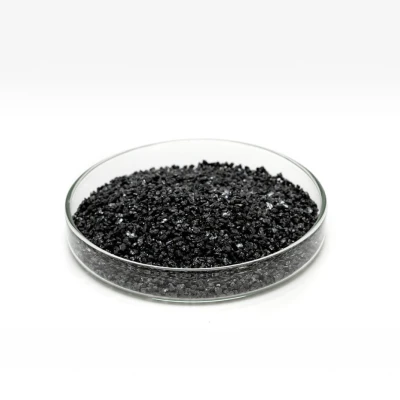
First things first, let's talk a bit about what a rotary kiln does in bauxite processing. A rotary kiln is a big, cylindrical furnace that rotates on its axis. It's used to heat bauxite to high temperatures, which helps in removing impurities and transforming the bauxite into useful products like Calcined Bauxite Properties and Tabular Alumina.
The stability of the rotary kiln is super important because any instability can lead to uneven heating, which in turn can affect the quality of the final product. It can also cause wear and tear on the kiln itself, leading to costly repairs and downtime.
Proper Installation and Alignment
One of the first steps in ensuring the stability of your rotary kiln is to make sure it's installed correctly. This means getting the alignment right. The kiln needs to be perfectly level and straight. Even a small misalignment can cause the kiln to wobble as it rotates, leading to all sorts of problems.
When installing the kiln, it's important to follow the manufacturer's instructions carefully. Use high - quality mounting materials and make sure all the components are securely fastened. You might also want to consider hiring a professional installation team. They have the experience and the tools to get the job done right.
Regular Maintenance
Regular maintenance is another key factor in keeping your rotary kiln stable. This includes things like checking the kiln's refractory lining. The refractory lining is what protects the kiln shell from the high temperatures inside. Over time, it can wear out, crack, or become damaged. If this happens, it can lead to heat loss and instability.
Inspect the refractory lining regularly for signs of damage. Look for cracks, spalling, or any other signs of wear. If you notice any issues, repair or replace the lining as soon as possible. You should also clean the kiln regularly to remove any buildup of bauxite or other materials. This can prevent blockages and ensure that the kiln operates smoothly.

Monitoring and Control Systems
Investing in good monitoring and control systems is also essential. These systems can help you keep an eye on the kiln's temperature, pressure, and other important parameters. By monitoring these factors, you can detect any potential problems early and take corrective action before they become serious.
For example, if the temperature inside the kiln starts to fluctuate too much, it could be a sign of a problem with the heating system or the airflow. With a good monitoring system, you can quickly identify the issue and make the necessary adjustments.
Proper Feeding and Loading
The way you feed and load the bauxite into the kiln can also affect its stability. You need to make sure that the bauxite is fed into the kiln at a consistent rate. If you feed too much bauxite at once, it can overload the kiln and cause it to become unstable. On the other hand, if you feed too little, it can lead to uneven heating.
Use a reliable feeding system to ensure a steady flow of bauxite into the kiln. You might also want to consider pre - treating the bauxite before it goes into the kiln. This can help to improve its flow properties and make it easier to handle.
Airflow and Combustion Control
Proper airflow and combustion control are crucial for the stability of the rotary kiln. The airflow inside the kiln affects how the bauxite is heated and how the combustion process occurs. If the airflow is too low, it can lead to incomplete combustion, which can cause a buildup of unburned fuel and other contaminants. If the airflow is too high, it can cause the kiln to cool down too quickly.
Make sure that your kiln has a good ventilation system. Adjust the airflow based on the size of the kiln, the type of bauxite being processed, and the desired temperature. You should also monitor the combustion process closely. Use sensors to measure the oxygen levels and other combustion parameters. This can help you optimize the combustion process and ensure that the kiln operates efficiently.
Staff Training
Last but not least, make sure your staff is well - trained. They need to understand how the rotary kiln works, how to operate it safely, and how to recognize and address any potential problems. Provide regular training sessions to keep your staff up - to - date on the latest maintenance and operation techniques.
Encourage your staff to report any issues they notice immediately. This can help you catch problems early and prevent them from escalating.
Conclusion
Ensuring the stability of a rotary kiln for bauxite operation is a multi - faceted process. It involves proper installation, regular maintenance, good monitoring and control systems, proper feeding and loading, airflow and combustion control, and staff training. By following these tips, you can keep your kiln running smoothly and produce high - quality bauxite products.
If you're in the market for Rotary Kiln Bauxite or have any questions about ensuring the stability of your rotary kiln, don't hesitate to reach out. We're here to help you get the most out of your bauxite processing operations.
References
- General knowledge of rotary kiln operation and bauxite processing from industry experience.
- Manufacturer's manuals for rotary kiln equipment.