

How to identify Pink Corundum?
Hey there! As a supplier of Pink Corundum, I often get asked about how to identify this beautiful gemstone. Pink Corundum, also known as pink sapphire, is a highly sought - after gem due to its stunning color and durability. In this blog, I'll share some tips and tricks on how you can tell if you're looking at genuine Pink Corundum.
Physical Characteristics
First off, let's talk about the physical features of Pink Corundum. One of the most obvious things to look at is the color. Pink Corundum comes in a range of pink hues, from a very light, almost pastel pink to a deep, rich rose - pink. The color should be fairly uniform throughout the stone, although some natural inclusions might cause slight variations.
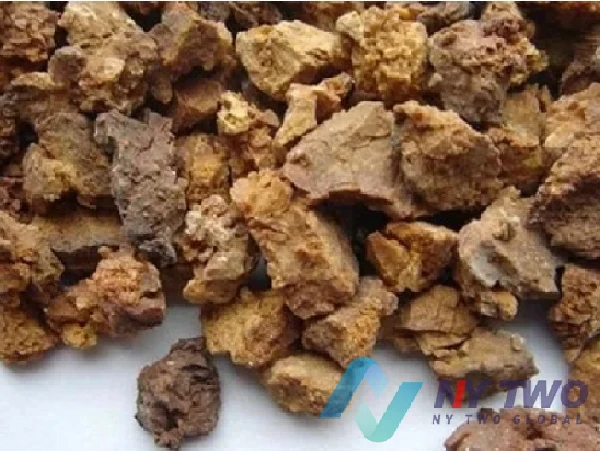
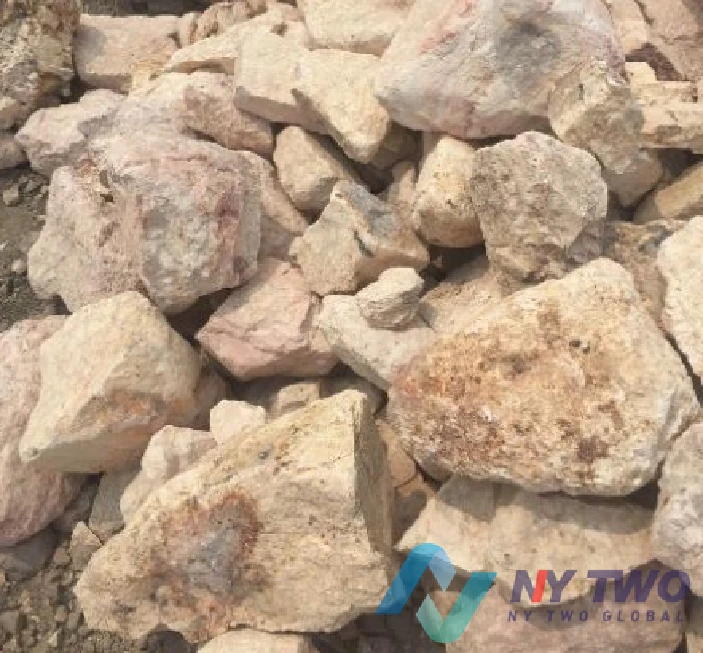
The clarity of Pink Corundum is another important factor. Most natural Pink Corundum will have some inclusions, which are tiny imperfections inside the stone. These inclusions can look like small crystals, needles, or even clouds. In fact, a completely flawless Pink Corundum is quite rare and might be a sign of a synthetic or treated stone. However, don't be too put off by inclusions. They can actually add to the character of the gemstone.
When it comes to the shape and cut of Pink Corundum, it can be cut into various shapes, such as round, oval, princess, and emerald cuts. A well - cut Pink Corundum will have good symmetry and proportions. The facets should be well - defined and reflect light evenly. If you notice any rough edges or uneven facets, it could be a sign of a lower - quality or poorly - cut stone.
Hardness and Density
Pink Corundum is a very hard gemstone. It has a hardness of 9 on the Mohs scale, which means it's quite resistant to scratches. You can test the hardness of a suspected Pink Corundum by trying to scratch it with a material that has a lower hardness, like a piece of glass (which has a hardness of about 5.5 on the Mohs scale). If the stone doesn't get scratched by the glass, it's a good indication that it might be Pink Corundum. However, I don't recommend doing this test on valuable or precious specimens, as it could potentially damage the stone.
The density of Pink Corundum is also a distinguishing feature. Pink Corundum has a relatively high density compared to many other gemstones. You can use a simple density test at home, although it requires some basic equipment. You'll need a scale to measure the weight of the stone and a container filled with water to measure the volume. By calculating the density (density = mass/volume), you can compare it to the known density of Pink Corundum. If the density is close to the standard value for Pink Corundum, it's more likely to be genuine.
Fluorescence
Another interesting way to identify Pink Corundum is by looking at its fluorescence under ultraviolet (UV) light. Most Pink Corundum will show some degree of fluorescence when exposed to UV light. The fluorescence can range from a weak glow to a strong, visible color. Some Pink Corundum might fluoresce a pink or red color under long - wave UV light, while others might show a different color under short - wave UV light. However, not all Pink Corundum will fluoresce, and the intensity and color of fluorescence can vary depending on the origin and impurities in the stone.
Inclusions and Growth Features
As I mentioned earlier, inclusions can be a key indicator of a natural Pink Corundum. Different types of inclusions can tell you a lot about the origin and formation of the stone. For example, some Pink Corundum from certain regions might have characteristic inclusions that are unique to that area. Needle - like inclusions, known as rutile needles, are quite common in natural corundum. These needles can form what is called a "silk" inside the stone, which can give the gem a unique sheen.
Growth features, such as growth lines and zoning, can also be signs of a natural Pink Corundum. Growth lines are like the "fingerprints" of the stone, showing how it grew over time. Zoning refers to variations in color or composition within the stone, which are often a result of the different conditions during its formation.
Synthetic and Treated Pink Corundum
It's important to be aware that there are synthetic and treated Pink Corundum on the market. Synthetic Pink Corundum is man - made in a laboratory and has the same chemical composition as natural Pink Corundum. However, it usually lacks the natural inclusions and growth features of a real stone. Synthetic Pink Corundum might also have a more perfect color and clarity, which can be a giveaway.
Treated Pink Corundum has been subjected to various processes to enhance its color or clarity. Heat treatment is a common method used to improve the color of Pink Corundum. While heat - treated Pink Corundum is still considered a natural gemstone, it's important to know if the stone has been treated. Treated stones might have a more intense or uniform color than untreated ones. Sometimes, treatment can also leave behind certain tell - tale signs, such as changes in the inclusions or the presence of surface fractures.
Using Professional Testing
If you're still unsure about the authenticity of a Pink Corundum, it's always a good idea to consult a professional gemologist. Gemologists have the expertise and equipment to perform more accurate tests, such as spectroscopy and microscopy. Spectroscopy can analyze the chemical composition of the stone, while microscopy can reveal the tiniest inclusions and growth features that are not visible to the naked eye.
Conclusion
Identifying Pink Corundum can be a fun and rewarding process. By looking at the physical characteristics, hardness, density, fluorescence, inclusions, and being aware of synthetic and treated stones, you can become more confident in your ability to tell if a stone is genuine Pink Corundum.
If you're interested in purchasing Pink Corundum for your jewelry collection or for industrial use, I'm here to help. As a supplier, I can offer high - quality Pink Corundum at competitive prices. Whether you need it for a beautiful piece of jewelry or for applications like Silicon Carbide Blasting Media (Black) or other industrial processes, I've got you covered. Pink Corundum is also related to other Rock - Forming Mineral and can be used in combination with products like White Fused Alumina Powder China.
So, if you're ready to start your Pink Corundum journey, don't hesitate to get in touch. We can discuss your specific needs and find the perfect Pink Corundum for you.
References
- "Gemstones of the World" by Walter Schumann
- "The Gemstone Encyclopedia" by Richard W. Hughes