

How to prevent Fused Mullite exposure?
Hey there! As a Fused Mullite supplier, I've seen firsthand the importance of preventing exposure to this material. Fused Mullite is a high - performance refractory material used in a variety of industries, but like any industrial substance, improper handling can lead to potential risks. In this blog, I'm gonna share some tips on how to prevent Fused Mullite exposure.
Understanding Fused Mullite
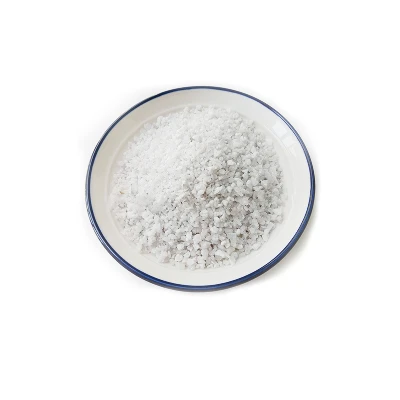
First off, let's get a basic understanding of what Fused Mullite is. Mullite is an important ceramic material, and you can learn more about it here. Fused Mullite is produced by melting and recrystallizing natural raw materials at high temperatures. It has excellent thermal stability, high refractoriness, and good chemical resistance, which makes it ideal for applications in the steel, glass, and cement industries.
Workplace Precautions
If you're working in an environment where Fused Mullite is present, proper workplace precautions are a must.
Ventilation
One of the most effective ways to prevent exposure is through proper ventilation. In enclosed spaces where Fused Mullite is being handled, stored, or processed, make sure there are adequate exhaust systems. These systems help to remove dust and fumes that may be generated during operations. For example, in a factory where Fused Mullite is being crushed or milled, local exhaust ventilation at the point of operation can significantly reduce the concentration of airborne particles.
Personal Protective Equipment (PPE)
Wearing the right PPE is crucial. This includes respirators, gloves, safety goggles, and protective clothing. Respirators should be selected based on the level of dust exposure. For low - level exposure, a simple dust mask might be sufficient, but for higher - risk situations, a powered air - purifying respirator (PAPR) could be necessary. Gloves protect your hands from direct contact with Fused Mullite, which can cause skin irritation. Safety goggles shield your eyes from flying particles, and protective clothing prevents dust from settling on your skin and clothing.
Housekeeping
Keep the workplace clean. Regularly sweep and vacuum floors to remove any spilled Fused Mullite. Use wet - cleaning methods whenever possible to prevent dust from becoming airborne. In areas where Fused Mullite is stored, make sure the storage containers are sealed properly to prevent leaks.
Handling and Storage
Proper handling and storage of Fused Mullite also play a key role in preventing exposure.
Handling
When handling Fused Mullite, be gentle. Avoid dropping or throwing bags or containers, as this can generate dust. Use appropriate handling equipment, such as forklifts or pallet jacks, to move large quantities. When transferring Fused Mullite from one container to another, do it slowly and carefully to minimize dust generation.
Storage
Store Fused Mullite in a dry, well - ventilated area. Keep it away from sources of heat and moisture, as these can affect its quality and may cause it to clump together. Make sure the storage area is clearly marked and restricted to authorized personnel only. If you're storing different grades or types of Fused Mullite, label them properly to avoid confusion.
Training and Education
Training your employees is essential. Everyone who works with or around Fused Mullite should receive proper training on its hazards, safe handling procedures, and the use of PPE. This training should be ongoing, as new employees may join the team, and safety regulations may change.
Hazard Awareness
Employees should be aware of the potential health hazards associated with Fused Mullite exposure. These can include respiratory problems, skin irritation, and eye irritation. By understanding the risks, they are more likely to take the necessary precautions.
Safe Handling Procedures
Teach your employees the correct way to handle, store, and dispose of Fused Mullite. Demonstrate how to use PPE properly and how to operate any equipment related to Fused Mullite handling.
Emergency Preparedness
Even with all the preventive measures in place, emergencies can still happen. So, it's important to have an emergency preparedness plan.
Spill Response
In case of a Fused Mullite spill, have a spill response kit readily available. This kit should include absorbent materials, shovels, and containers for collecting the spilled material. Train your employees on how to respond to spills quickly and safely to prevent further exposure.
First Aid
Make sure there are first - aid stations in the workplace, and that employees know where they are located. Provide training on first - aid procedures for Fused Mullite exposure, such as how to treat skin and eye irritation.
Related Products and Their Importance
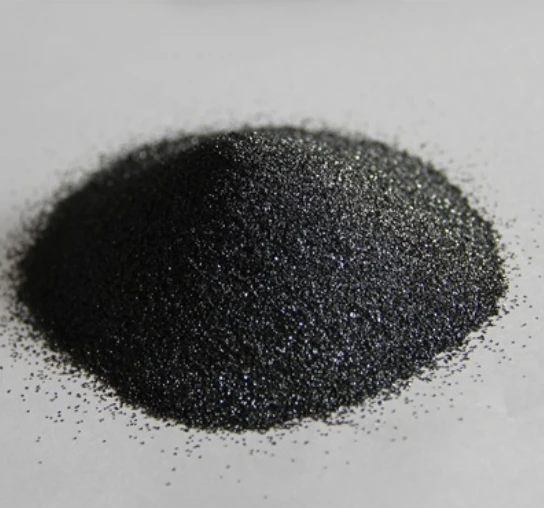
In the refractory industry, there are other related products that are often used in conjunction with Fused Mullite. For example, Fused Spinel Hs Code. Fused Spinel can be used to improve the performance of refractory materials, and understanding its Hs Code is important for international trade. Another product is Boron Carbide Sheet, which has excellent wear resistance and can be used in some high - wear applications.
Conclusion
Preventing Fused Mullite exposure is all about workplace safety, proper handling, and education. By following these tips, you can create a safer environment for everyone involved in the production, handling, and use of Fused Mullite.
If you're interested in purchasing high - quality Fused Mullite for your business, feel free to reach out to me for more information and to start a procurement discussion. I'm here to help you find the best solutions for your refractory needs.
References
- "Industrial Hygiene for the Refractory Industry" - A guidebook on industrial safety in refractory manufacturing.
- Manufacturer's safety data sheets for Fused Mullite.
- Occupational Safety and Health Administration (OSHA) guidelines on handling industrial materials.