

How to reduce the noise pollution from a rotary kiln for bauxite?
Hey there! As a supplier of Rotary Kiln Bauxite, I've been getting a lot of questions lately about how to reduce the noise pollution from these kilns. It's a real concern, not just for the environment but also for the health and well - being of the workers around these machines. So, I thought I'd share some tips and tricks on how to tackle this issue.
First off, let's understand why rotary kilns for bauxite make so much noise. These kilns are large, heavy - duty machines that are constantly in motion. They involve high - temperature processes, and the rotation of the kiln itself, along with the movement of the bauxite inside, creates a significant amount of noise. The mechanical parts, such as the gears, bearings, and motors, also contribute to the overall noise level.
One of the most effective ways to reduce noise is through proper insulation. Insulating the kiln can significantly dampen the sound. You can use high - quality insulation materials that are designed to absorb and reflect sound waves. For example, some ceramic fiber blankets are great for this purpose. They not only help in reducing noise but also improve the energy efficiency of the kiln by reducing heat loss.
Another important aspect is the maintenance of the kiln. Regular maintenance can prevent a lot of noise - related issues. Worn - out gears and bearings can cause a lot of extra noise. By regularly checking and replacing these parts, you can keep the noise level in check. For instance, if a bearing starts to make a grinding noise, it's a clear sign that it needs to be replaced.
The location of the kiln also matters. Placing the kiln in an isolated area can help contain the noise. You can build a sound - proof enclosure around the kiln. This enclosure should be made of materials that can absorb sound, like acoustic panels. It's like creating a little sound - proof room for the kiln.

Now, let's talk about the use of silencers. Just like in a car, silencers can be installed on the exhaust systems of the rotary kiln. These silencers work by reducing the speed and pressure of the exhaust gases, which in turn reduces the noise. There are different types of silencers available, and you need to choose one that is suitable for the specific requirements of your kiln.
When it comes to the bauxite itself, the way it is fed into the kiln can also affect the noise level. Using a proper feeding system can reduce the impact noise when the bauxite hits the inside of the kiln. For example, a conveyor belt system with a gentle slope can help in a smooth and quiet feeding process.
In addition to these physical solutions, you can also provide personal protective equipment (PPE) for the workers. Earplugs and earmuffs are essential for anyone working near the kiln. This not only protects their hearing but also makes the work environment more bearable.
Let's also consider the use of vibration isolation. Rotary kilns generate a lot of vibrations, which can contribute to the noise. By using vibration - isolating mounts or pads, you can reduce the transfer of vibrations to the surrounding structures. This can significantly reduce the overall noise level.
Now, as a Rotary Kiln Bauxite supplier, I know that some of you might be looking for high - quality refractory materials for your kilns. We offer a range of products that can be used in conjunction with the noise - reduction measures. For example, High Alumina Cement CA80 is a great choice for lining the kiln. It has excellent heat - resistant properties and can also contribute to a more stable and quiet operation of the kiln.
Another product is Magnesia Alumina Spinel. This material is known for its high - strength and corrosion - resistant properties. It can be used to line the kiln, which not only protects the kiln but also helps in reducing noise by providing a smooth surface for the bauxite to move on.
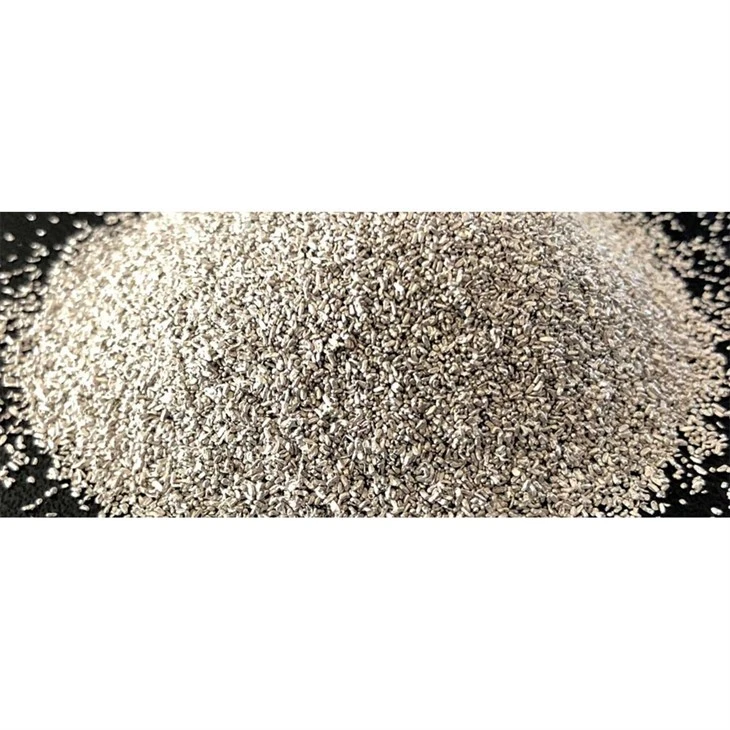
We also have Magnesium Alloy AZ91D Thixo Chips, which can be used in certain applications to improve the performance of the kiln. These chips have unique properties that can enhance the overall efficiency of the kiln and may also have a positive impact on noise reduction.
In conclusion, reducing the noise pollution from a rotary kiln for bauxite is a multi - faceted approach. It involves insulation, maintenance, proper location, and the use of various noise - reducing devices. And if you're in the market for high - quality refractory materials for your kiln, we're here to help. Whether you're looking to improve the performance of your kiln or reduce noise pollution, we have the products and expertise to assist you.
If you're interested in discussing your specific requirements or want to know more about our products, feel free to reach out for a procurement discussion. We're always happy to help you find the best solutions for your rotary kiln needs.
References
- Ceramic Fiber Insulation Handbook.
- Rotary Kiln Maintenance Guide.
- Noise Control Engineering Principles.